US Backs Russian Gas Transit Plan With Revenue Upside for Ukraine
The proposed US-mediated structure could restore Ukrainian transit fees while creating investment opportunities and limiting Moscow’s access to proceeds.
The United States is pressing for a rapid resumption of Russian natural gas shipments to Europe through Ukraine as part of negotiations over an energy ceasefire between Moscow and Kyiv, according to The Wall Street Journal, citing US, European and Ukrainian officials.
The proposal carries significant financial implications for governments, energy companies and investors. It could restore transit revenue for Ukraine, create opportunities for US investors and introduce a controlled payment structure intended to restrict Russia’s ability to use gas proceeds for military purposes. At the same time, it could complicate Europe’s planned withdrawal from Russian energy and reshape the region’s current supply mix.
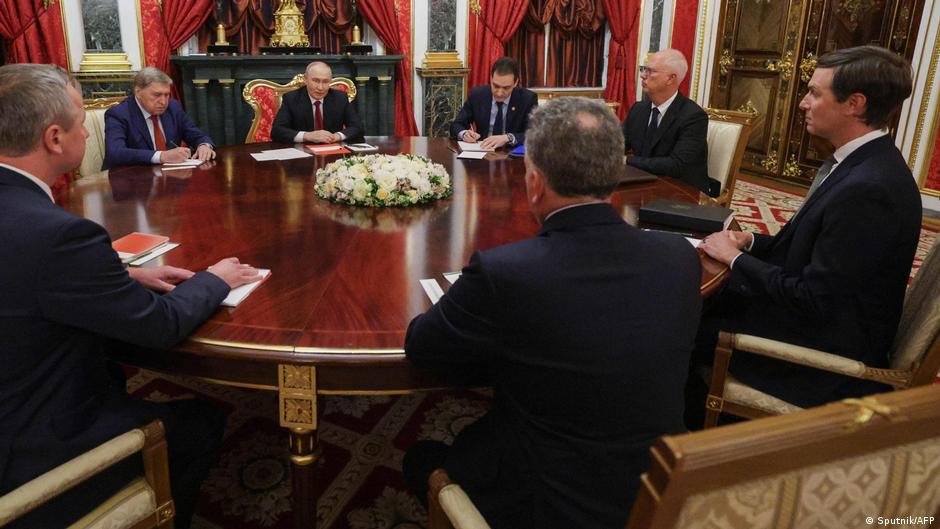
US negotiators Jared Kushner and Steve Witkoff discussed the idea during trips to Moscow and Kyiv in September, the officials said. Under the plan, Russian gas would be sold through an American intermediary, a structure expected to bypass European sanctions and provide potentially profitable opportunities for US investors.
Transit Fees and Escrow Structure Shape Financial Case
For Ukraine, renewed gas flows across its territory would generate additional transit income. Such revenue would give Kyiv a direct financial incentive to support an arrangement, even as the broader proposal raises political and security concerns over the re-entry of Russian gas into European markets.
The White House has also proposed placing proceeds from Russian gas sales to Europe into a special account in a third jurisdiction, according to one US official. The mechanism would be designed to limit the use of those funds for military purposes.
The plan’s financial architecture would combine Ukrainian transit revenue, an American intermediary and a ring-fenced account for Russian gas-sale proceeds.
For investors, the proposed intermediary model could open a new role in cross-border gas trading and settlement. However, its commercial viability would depend on sanctions compliance, contractual terms, shipment volumes and European demand. No projected revenue, pricing terms, ownership structure or expected returns for the intermediary were disclosed.
Washington is seeking a comprehensive agreement to halt attacks on energy infrastructure ahead of trilateral talks among the United States, Russia and Ukraine scheduled for November in Abu Dhabi. US officials believe that restoring Russia’s access to the European gas market could provide President Vladimir Putin with an additional incentive to support an energy ceasefire.
The administration of President Donald Trump also expects European resistance to the initiative to be less forceful than public statements suggest, according to the newspaper’s sources. US officials are betting that elevated energy prices and risks to energy security could make European governments more receptive to the proposal.
European Policy Creates Long-Term Demand Risk
The initiative nevertheless faces substantial opposition in Europe. Existing European Union legislation provides for a phased withdrawal from Russian gas imports by the end of 2027. Leaders of major European countries have repeatedly said they do not want the region to become dependent again on Russian energy supplies.
That policy creates a central financial uncertainty for any revived transit arrangement. Even if shipments resume in the near term, the EU’s scheduled phaseout could constrain the duration of contracts, limit infrastructure utilization and reduce the long-term earnings visibility of companies involved in transit or trading.
Europe’s gas balance sheet has already changed considerably since Russia’s full-scale invasion of Ukraine. Russian gas now accounts for approximately 11% of European consumption, compared with 45% on the eve of the invasion. About 30% of current European gas consumption is supplied by liquefied natural gas from the United States.
A renewed pipeline flow through Ukraine could therefore affect both the remaining Russian share of the market and the position of US LNG suppliers. The proposal places Washington in two financial roles: the United States is already a major source of Europe’s gas, while an American intermediary could also participate in sales of Russian pipeline gas.
Some European officials have sharply criticized the idea in private conversations, the newspaper reported. Their concerns reflect not only sanctions and strategic dependence but also the potential impact on energy procurement plans built around diversification away from Russia.
For energy companies and investors, the key unresolved issues include the scale and duration of resumed flows, the treatment of sanctions, the allocation of transit fees and intermediary margins, and the governance of the proposed third-jurisdiction account. Until those terms are defined, the proposal remains a diplomatic framework with potentially material—but unquantified—effects on revenue, supply costs and regional energy investment.