Damage to Kyiv’s Chernobyl Museum Raises Concerns Over Cultural Asset Loss Amid Russia’s Attack
Around 40% of the Chernobyl Museum’s exhibits destroyed during recent Russian missile attacks in Kyiv, impacting Ukraine’s cultural heritage and economic recovery.
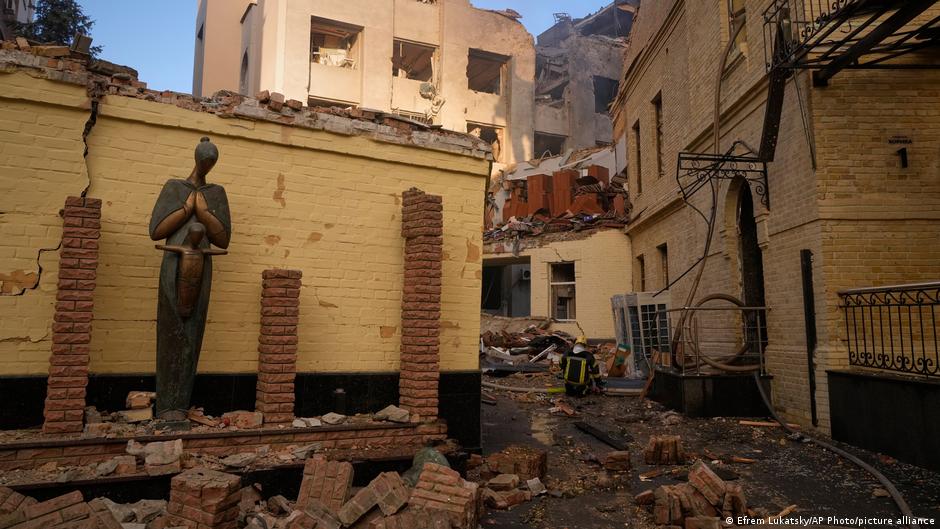
During a significant Russian missile strike on Kyiv on May 24, the National Museum "Chernobyl" suffered extensive damage, resulting in the loss of approximately 40% of its exhibits. This cultural blow highlights the broader economic and financial risks tied to conflict-related destruction of national heritage assets.
Impact on Cultural Assets and Financial Implications
The museum, which preserves the memory and history of the Chernobyl nuclear disaster, had only recently reopened after an extensive restoration completed in late April. The damage sustained includes structural harm to the building, an interior fire, and partial collapse of the suspended ceiling. Ukrainian authorities reported that museum staff and emergency responders acted swiftly to evacuate and preserve key items, including notable artworks and symbolic artifacts such as the Ukrainian flag raised at the Chernobyl site after its liberation in 2022.
"Rescuers and museum workers immediately began evacuating exhibits. Key items from storage, including a painting by Maria Prymachenko and the Ukrainian flag from the Chernobyl site, were saved," stated the Ukrainian Interior Ministry.
The loss and damage to these cultural assets may affect visitor numbers and revenues, undermining the museum’s economic sustainability and its role in cultural tourism, a sector critical to Kyiv’s post-conflict economic recovery.
Moreover, the attack represents the most extensive bombardment targeting cultural institutions in Kyiv since the conflict began. Other affected sites include the National Art Museum, National Philharmonic, National Music Academy, and several theaters and historic buildings, indicating widespread disruption across the city’s cultural economy.
Damage to media offices, residential buildings, and commercial centers further complicates Kyiv’s economic outlook, increasing uncertainty for investors and local business operations. Casualty reports of at least four fatalities and over 80 injuries compound the human and financial toll.
Broader Military Context and Strategic Implications
According to Ukrainian Air Forces, Russian forces launched 90 missiles and 600 drones targeting Kyiv and the nearby city of Bila Tserkva. The strike included the use of a medium-range ballistic missile known as "Oreshnik," marking its third deployment since the war’s onset.
The Russian Defense Ministry claimed successful targeting of military command centers, airbases, and defense industry enterprises, although Ukrainian regional authorities reported collateral damage to civilian infrastructure and businesses in Bila Tserkva.
President Volodymyr Zelensky condemned the attack’s impact on residential and public utilities, underscoring the continuing threat to civilian infrastructure and the resulting economic disruption.
From an investor relations perspective, such attacks increase operational risks for Kyiv’s cultural and commercial institutions, potentially affecting future funding, insurance costs, and long-term viability. Continuous monitoring of the security situation and its economic fallout remains crucial for stakeholders engaged in Ukraine’s reconstruction and development.