Drone and Missile Attacks in Odessa and Dnipro Cause Civilian Injuries and Property Damage
Russian strikes result in injuries to civilians and damage to residential and public buildings in Odessa and Dnipro.
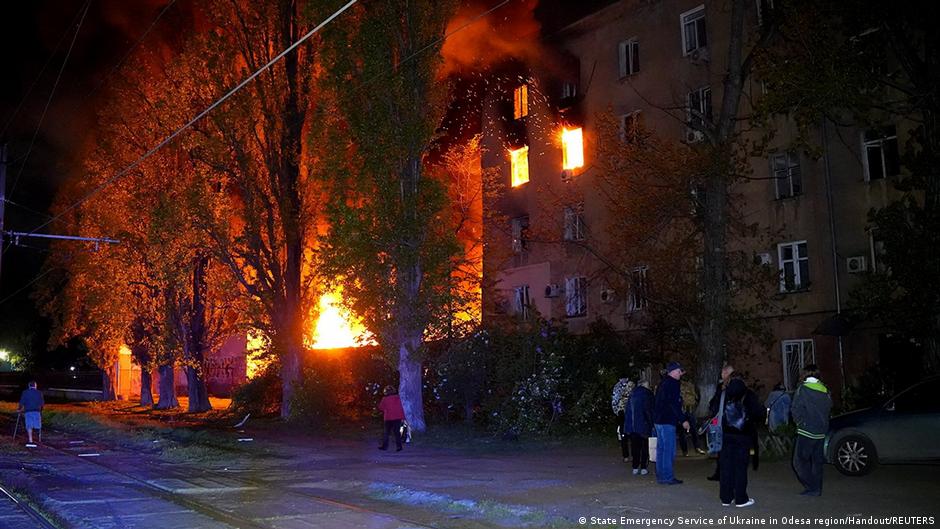
Recent attacks involving drones and missile strikes by Russian forces have caused civilian injuries and significant damage to residential buildings and community infrastructure in the Ukrainian cities of Odessa and Dnipro.
Impact on Odessa and Dnipro Infrastructure and Civilians
In Odessa, drone attacks overnight on May 18 resulted in damage to several residential structures as well as a lyceum and a kindergarten. According to the head of the Odessa city military administration, two civilians were injured: an 11-year-old boy and a 59-year-old man.
"Emergency and utility services are actively engaged in mitigating the damage, and operational headquarters have been deployed to provide immediate assistance," the administration stated.
Meanwhile, in the city of Dnipro, Russian forces launched missile strikes targeting residential districts. The regional military administration reported nine civilian injuries, including a 10-year-old boy. Four of the injured have been hospitalized with moderate conditions, while five others are receiving outpatient care.
The missile strikes in Dnipro caused multiple fires, including a blaze on the roof of a 24-story residential building. Rescue efforts are underway to evacuate people trapped in affected buildings.
Financial and Economic Repercussions
Beyond the immediate human toll, these attacks are likely to have significant economic implications for municipal budgets and local economies. Damage to residential and public infrastructure necessitates emergency repairs and long-term rebuilding efforts, increasing expenditure for city administrations already under strain.
The disruption to civilian life, including injuries to residents and damage to educational facilities, further complicates the socioeconomic environment. Insurance claims, reconstruction contracts, and emergency funding allocation will become critical financial priorities in the coming months.
Investors and stakeholders monitoring the region should account for increased fiscal pressures on local governments and potential impacts on regional economic stability as conflict-induced damages escalate.