Drone Attacks in Ukrainian Cities Cause Civilian Casualties Amid Ongoing Conflict
Russian drone strikes hit residential areas in Zaporizhzhia and Konotop, resulting in civilian deaths, injuries, and infrastructure damage.
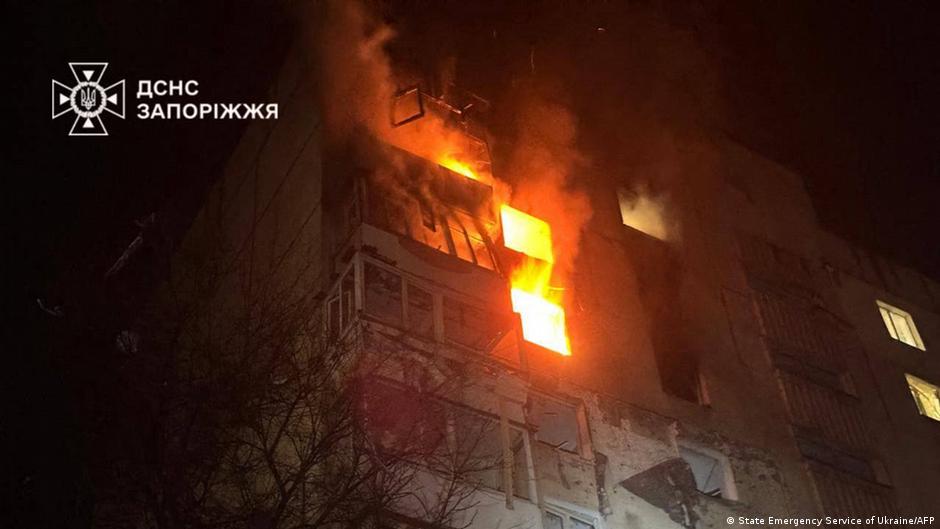
On June 4, Russian military drone attacks targeted residential neighborhoods in the Ukrainian cities of Zaporizhzhia and Konotop, leading to civilian casualties and significant damage to housing and local infrastructure.
Details of the Attacks and Impact
In Zaporizhzhia, a multi-story residential building and nearby parked vehicles were damaged when drones struck a densely populated area. The attack resulted in the death of a 44-year-old woman and injuries to 11 other individuals with varying degrees of severity. The head of the Zaporizhzhia Regional Military Administration reported these developments on the evening of June 4.
Similarly, in the city of Konotop located in the Sumy region, drones struck residential homes and civilian infrastructure. The local mayor confirmed that at least five people were injured, including children. One private house caught fire during the strike, where two adults and three children were present at the time. All three children and their mother, born in 1988, sustained injuries and were hospitalized.
The mayor further noted that the strike caused disruptions to essential services, leaving the city without water supply and partially without electricity.
"All three children are in the hospital together with their mother, who was also injured as a result of the enemy strike," the Konotop mayor stated.
In addition to these incidents, a drone attack in the Korablev district of Kherson resulted in the death of a 75-year-old man. The regional administration head confirmed that the injuries were fatal.
Financial and Human Cost Considerations
While primarily a humanitarian concern, these attacks also have implications for local economies and public finances. Damage to residential buildings and infrastructure imposes immediate repair costs and longer-term economic burdens on municipal administrations. Service disruptions, such as water and electricity outages, can hinder business operations and reduce local economic productivity.
Municipalities affected will likely need to allocate additional budgetary resources for emergency response, medical care for the injured, infrastructure restoration, and possible social support for displaced or impacted residents. Investor confidence in these regions may also be strained due to ongoing security risks, potentially affecting local financial markets and investment inflows.
Monitoring the evolving situation will be critical for stakeholders assessing regional stability and economic resilience amid the conflict.