EU Extends Sanctions Against Russia for One Year Amid Leadership Changes in Hungary
EU leaders agree to prolong sanctions on Russia for a full year, marking a shift from previous six-month extensions due to Hungary's new position.
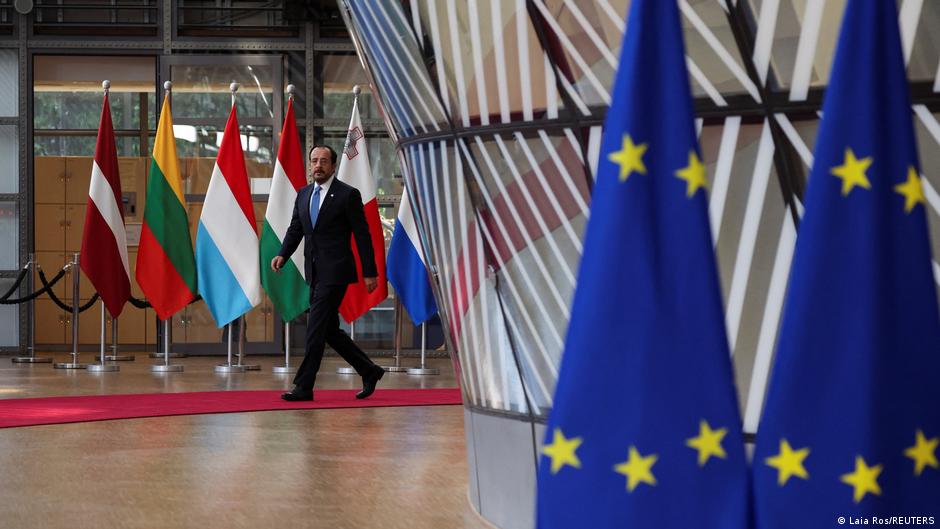
At the recent European Union summit in Brussels, EU member states reached a landmark agreement to extend sanctions against Russia for an entire year, a departure from the previous practice of renewing them every six months. This development marks a significant shift influenced by changes in Hungary's leadership.
Political Shifts Enable Longer Sanctions Extension
For years, Hungary's former Prime Minister Viktor Orbán blocked efforts to lengthen the duration of sanctions against Russia, consistently vetoing proposals for longer extensions. Orbán served as Hungary's Prime Minister from 1998 to 2002 and then again from 2010 until 2023. However, since the appointment of the new Hungarian Prime Minister, Péter Médiar, in May 2024, Hungary has shifted its stance, enabling the EU to agree on a one-year extension of the sanctions imposed due to Russia's aggressive actions in Ukraine.
A press release from the European Council's spokesperson noted that the formal ratification of this decision by the Council of the European Union will occur in the coming weeks, solidifying the unprecedented one-year sanction period.
“The EU intends to further increase pressure on Russia and continue weakening its military economy to end the brutal war and promote meaningful peace negotiations,” the summit declaration stated, unanimously supported by all 27 EU member states for the first time since December 2024.
This united front highlights a strategic EU focus on diminishing Russia's revenue streams, particularly from energy exports, including efforts to curb illicit activities such as the use of so-called "shadow fleets".
Anticipated 21st Sanctions Package and Potential Economic Impacts
The summit also called for the swift adoption of the 21st package of sanctions against Russia, although specifics remain undisclosed. Industry observers anticipate this package may target Russian military personnel involved in the Ukraine conflict by restricting their entry into EU countries. Additional expected measures include sanctions against high-profile individuals such as Patriarch Kirill of the Russian Orthodox Church and Arkady Dvorkovich, president of the International Chess Federation (FIDE).
Moreover, the forthcoming sanctions are likely to extend further into sectors such as energy, finance, trade, and, notably, for the first time, fishing industries—an expansion signaling the EU's intent to comprehensively weaken Russia’s economic infrastructure.
However, resistance remains among some member states. Bulgarian Prime Minister Rumen Radev has announced plans to veto the new package, citing concerns over Bulgaria's economic interests and opposition to restrictions targeting Patriarch Kirill. Despite his veto threat, Radev expressed support for advancing Ukraine’s EU accession negotiations, reflecting the complex balance between economic considerations and geopolitical strategy within the union.
This extension and the proposed sanctions packages have significant implications for investors and multinational firms operating within or with Russia and the EU. Companies must prepare for prolonged operational risks and regulatory uncertainties, especially in sectors closely tied to energy exports and financial transactions.