EU Foreign Policy Chief Warns Russia, China, and US Undermine European Union Unity
Kaja Kallas highlights strategic efforts by global powers to divide the EU, urging member states to maintain cohesion in external agreements.
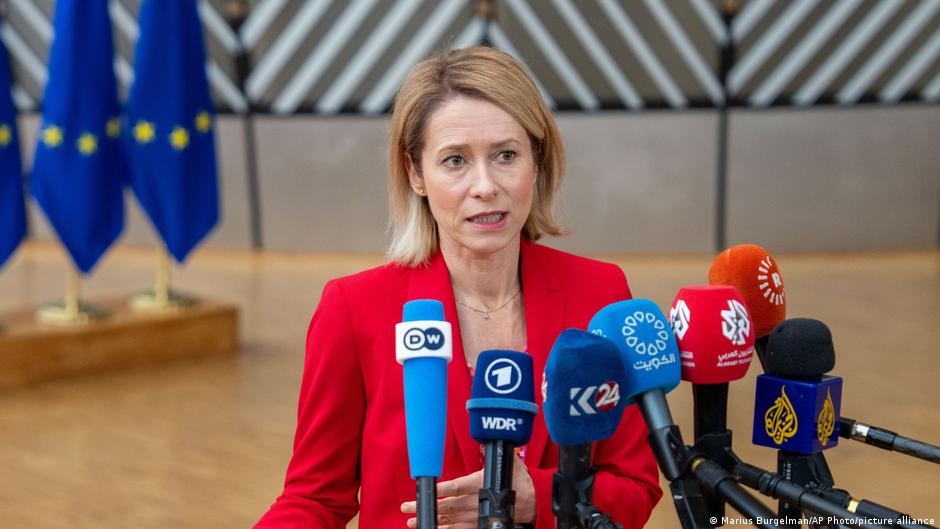
Kaja Kallas, the European Union's High Representative for Foreign Affairs and Security Policy, has publicly warned that Russia, China, and the United States are actively working to weaken the European Union by fostering disunity among its member states. Speaking at the Lennart Meri Conference in Tallinn on May 17, Kallas emphasized the geopolitical strategy of "divide and rule" employed by these global powers.
Global Powers Target EU Cohesion
According to Kallas, these influential countries perceive a united Europe as a significant geopolitical force, which is why they prefer dealing with individual smaller nations rather than a consolidated bloc. "If we stand together and act collectively, we are strong," she stated, underscoring the inherent strength of EU unity.
"They do not like the European Union, it is absolutely clear. But we have to understand why." – Kaja Kallas
The High Representative noted that China, Russia, and the US oppose the EU's cohesion because a unified Europe acts as an equal and formidable player on the global stage. This opposition manifests itself through attempts to cultivate bilateral relationships with individual member states, thereby undermining the EU’s unified foreign policy and diplomatic leverage.
Risks of Bilateral Agreements and EU's Response
Kallas expressed concern over some EU member countries pursuing separate bilateral agreements with Washington, which she believes plays into the divide-and-rule tactics employed by the United States. She cautioned that such fragmentation could weaken the EU’s collective bargaining power and diminish its influence in global affairs.
Responding to these challenges, Kallas urged EU member states to resist the temptation of exclusive bilateral deals that could potentially erode the bloc's unity and strategic interests. The High Representative’s call reflects ongoing tensions within the EU regarding the balance between national interests and the collective good.
Historically, since the start of Donald Trump's second term as US President, various EU countries have sought to maintain direct communication channels with Washington. For example, Italy's Prime Minister Giorgia Meloni positioned herself as a potential intermediary between Europe and the US. However, this approach faced setbacks following critical remarks from Trump directed at Pope Leo XIV, illustrating the fragility of such personal diplomatic initiatives.
Rejecting Russian Proposals for EU Negotiator
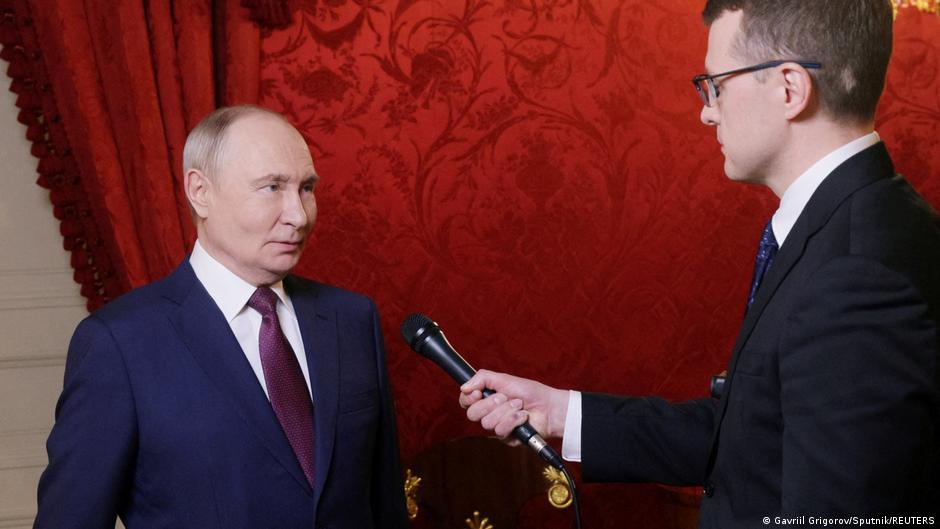
In another significant diplomatic stance, Kallas rejected Russian President Vladimir Putin's proposal to appoint former German Chancellor Gerhard Schröder as an EU negotiator for peace talks with Russia. She deemed it unwise to allow Russia to influence the appointment of EU representatives for such critical negotiations, highlighting the EU’s commitment to maintaining independent diplomatic processes.
"If we give Russia the right to appoint a negotiator on our behalf, it would not be very reasonable," Kallas stated ahead of the EU foreign ministers’ meeting in Brussels on May 11.
This decision underscores the EU's cautious approach toward engagements with Russia amid ongoing geopolitical tensions and conflicts in the region.
Implications for Investors and Financial Markets
The ongoing geopolitical friction and the EU’s efforts to maintain internal unity have significant implications for investors and financial markets. A fragmented EU weakens the bloc’s ability to implement cohesive economic policies, trade agreements, and regulatory frameworks, which in turn can increase uncertainty and risk for businesses operating across European markets.
Financial stakeholders closely monitor such political dynamics, as divisions within the EU could lead to inconsistent regulatory environments and potentially disrupt the single market. Conversely, a strong and united EU presents opportunities for stable investment climates, streamlined cross-border regulations, and enhanced global trade negotiations.
Therefore, Kallas's warnings and calls for unity are not only political but carry substantial weight for the economic stability and future growth prospects of the European Union.