EU Launches First Negotiation Cluster for Ukraine and Moldova's Accession Process
The European Union advances from preparatory stages to substantive talks on accession conditions with Ukraine and Moldova.
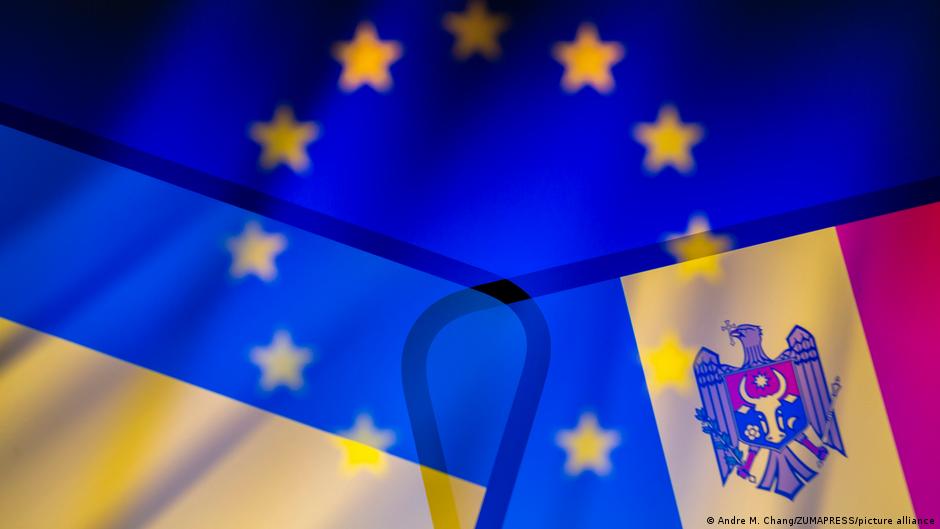
The European Union has officially launched the first negotiation cluster concerning the accession of Ukraine and Moldova, marking a significant shift from preparatory activities to detailed discussions on the terms of future membership.
On Monday, June 15, in Luxembourg, foreign ministers from EU member states inaugurated the initial negotiation cluster for Ukraine and Moldova's EU accession process. The event was confirmed by diplomats from the Republic of Cyprus, the current holder of the EU Council presidency.
"We have all awaited this day for a long time, and today we can finally celebrate," stated Marilena Rauna, Cyprus's Deputy Minister for European Affairs. "The future of Ukraine and its citizens is firmly linked to the European Union."
Structured Negotiations in Six Thematic Clusters
The accession talks are organized into six major thematic sections, known as clusters, each covering different areas of legislation and public policy. These clusters serve as the framework through which the EU evaluates candidate countries' readiness to implement EU rules and standards.
The opening of the first cluster signifies the transition from the initial preparatory phase to concrete work on accession conditions. This includes assessing the alignment of national legislation with EU norms and undertaking reforms in specific sectors.
"The future of Ukraine and its citizens is firmly linked to the European Union," emphasized EU officials at the cluster launch.
From a financial perspective, this progression in the negotiation process signals growing investor confidence and potential legal and regulatory reforms that could impact economic policies and financial markets in both countries. Monitoring the pace and outcomes of these clusters will be critical for investors and stakeholders assessing the integration prospects and fiscal stability in Ukraine and Moldova.