Ukraine Reports North Korean Ballistic Missile Used in Russian Attack Near Kryvyi Rih
Ukrainian President Zelensky confirms the use of a North Korean ballistic missile by Russian forces, highlighting escalating military collaboration amid ongoing conflict.
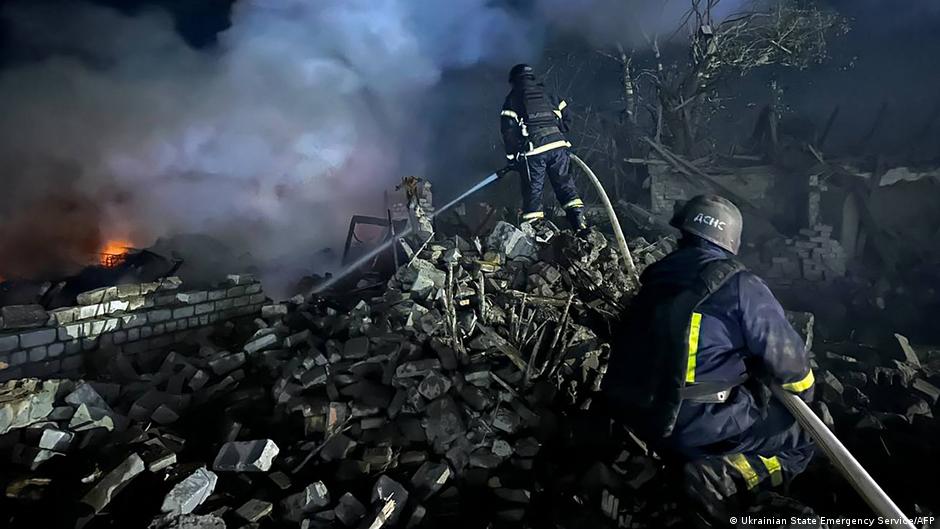
In a recent escalation of the conflict in Ukraine, President Volodymyr Zelensky announced that Russian forces employed a ballistic missile supplied by North Korea in an attack on the village of Radushne, located in the Dnipropetrovsk region near Kryvyi Rih. This attack tragically resulted in the deaths of six members of a large family, including children aged 6, 11, and 17.
Implications for Ukraine’s Defense and International Relations
The missile strike marks the first confirmed use of North Korean ballistic technology by Russian forces in the ongoing conflict. Zelensky emphasized that while further expert analysis is ongoing, preliminary findings strongly indicate North Korean ballistic missile involvement.
"At the moment, this is North Korean ballistics," Zelensky stated, underscoring the severity of the military collaboration between Moscow and Pyongyang.
Following the attack, Zelensky called on international allies to move beyond condemning the strike and to urgently provide Ukraine with advanced air defense missile systems. He stressed the necessity of exerting substantial political and economic pressure on Russia to halt such attacks.
The attack occurred in the early hours of July 30, 2024, targeting multiple Ukrainian cities including the capital, Kyiv. The use of foreign ballistic missiles represents a notable escalation in the weaponry deployed against Ukraine, raising concerns about the broadening of Russia’s military supply chain amid extensive sanctions and international scrutiny.
Strategic Partnership and Military Cooperation Between Russia and North Korea
Earlier in July, President Zelensky disclosed intelligence indicating that Russia seeks to recruit an additional 30,000 soldiers from North Korea. Reports also suggest that Pyongyang is preparing to deliver new ballistic missile launch systems to Moscow. This military partnership is part of a comprehensive strategic alliance established in 2024, aimed at strengthening bilateral cooperation.
Zelensky warned that this cooperation poses a significant threat not only to Ukraine but to all countries in Asia within reach of North Korean missile technology. He highlighted that Russia’s support is enabling North Korea to "learn warfare," enhancing Pyongyang’s military capabilities and destabilizing regional security dynamics.
From a financial and geopolitical perspective, Moscow’s deepening ties with Pyongyang could have substantial impacts on international sanctions regimes and the global defense market. The exchange of military hardware and personnel between the two states suggests an alignment aimed at circumventing restrictions and sustaining operational capabilities in the face of Western sanctions.
Financial and Strategic Risks Ahead
For investors and analysts monitoring Russia’s defense sector and broader economic health, the use of North Korean ballistic missiles signals increased reliance on unconventional supply lines that may be less transparent and riskier in terms of long-term sustainability. This development could influence the valuation of defense-related firms and affect the geopolitical risk premium applied to Russian assets.
The international community's response, particularly in terms of sanctions and military aid to Ukraine, will be critical in shaping the trajectory of this conflict. Enhanced delivery of air defense systems to Ukraine could mitigate the impact of such missile strikes, while escalating sanctions might further isolate Russia economically but also heighten geopolitical tensions.
In conclusion, the verified use of North Korean ballistic missiles by Russia represents a pivotal moment in the ongoing war in Ukraine, indicating an escalation in both military cooperation and conflict intensity. Stakeholders in financial markets and defense sectors should closely monitor these developments as they may presage shifts in defense spending, regional security policies, and international economic sanctions.