US Announces Historic Agreement on Hamas Disarmament Amid Gaza Conflict Resolution Efforts
President Trump declares full disarmament deal with Hamas as a key step toward peace and new governance in Gaza.
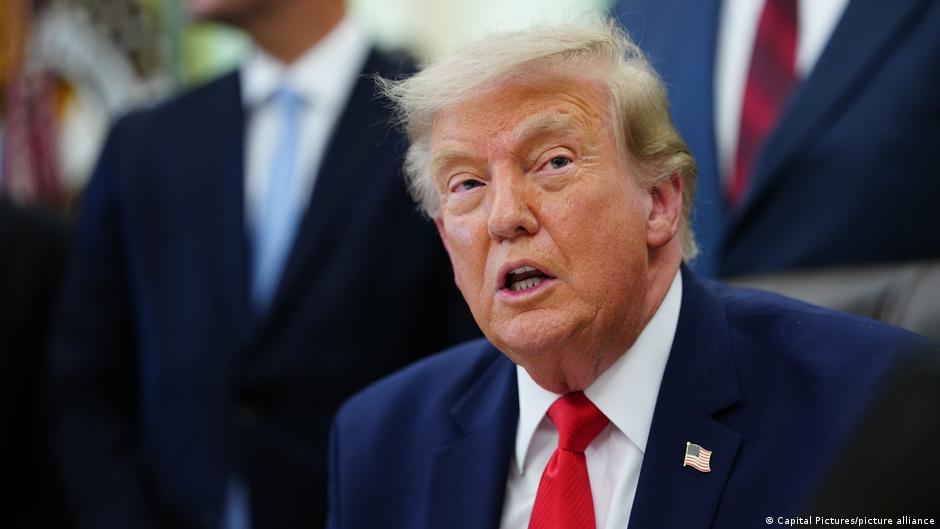
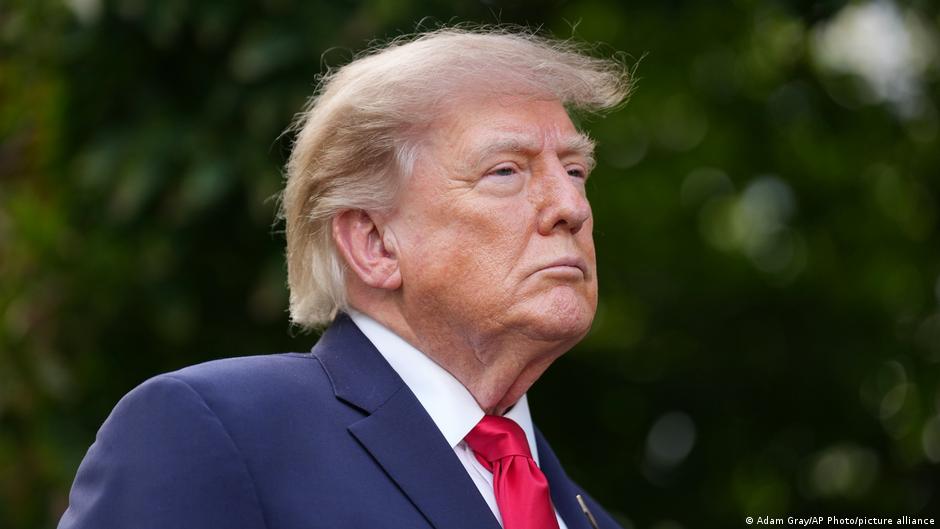
The United States has announced a major breakthrough in efforts to resolve the ongoing conflict in Gaza, with President Donald Trump declaring a "historic" agreement to fully disarm Hamas and other militant groups operating in the territory. This development is considered a significant milestone toward establishing lasting peace and stability in the region.
Details of the Disarmament Agreement and Political Implications
On July 20, President Trump tweeted that the Peace Council had reached an agreement for the complete disarmament of Hamas, describing it as a "momentous step toward durable peace and security." He credited the mediation efforts of Egypt, Qatar, and Turkey in facilitating the deal and emphasized that the disarmament process would be implemented in phases.
"Today the Peace Council has reached a historic agreement for the full disarmament of Hamas and all other armed groups in the Gaza Strip. This is a tremendous step toward lasting peace and security," Trump stated on social media.
Hamas officials have confirmed the agreement with the US, although Israel has yet to comment publicly on the deal. Negotiations for the second phase of the US-led plan, which includes the gradual withdrawal of Israeli forces from Gaza and the establishment of a technocratic Palestinian committee to govern the territory, have been ongoing in Egypt for several weeks.
The proposed governance committee would replace the military administration, aiming to stabilize the region and foster a political framework acceptable to all parties involved.
Financial and Strategic Impact on Regional Stability
From a financial perspective, the disarmament and political transition could substantially affect economic conditions in Gaza and surrounding areas. Prolonged conflict has resulted in severe infrastructural damage and disrupted economic activity. A sustainable peace agreement would potentially unlock international aid, investment opportunities, and reconstruction projects, improving the financial health of the region.
For investors and stakeholders engaged in Middle Eastern markets, such developments could reduce geopolitical risk premiums and improve the outlook for regional economic growth.
The agreement also aims to address security concerns that have long deterred investment and development in Gaza. By dismantling Hamas's military capabilities, the deal could pave the way for more stable governance and a safer environment conducive to economic recovery.
Background of the Conflict and Humanitarian Costs
Hamas, regarded as a terrorist organization by the EU and the US, launched a large-scale attack on Israel on October 7, 2023, involving coordinated rocket barrages and incursions that resulted in significant civilian casualties and hostages. In retaliation, Israel declared war and conducted extensive military operations in Gaza, leading to a high death toll and widespread devastation.
The humanitarian crisis and economic toll have been profound, with the Gaza Ministry of Health reporting over 71,000 fatalities during the conflict, though the methodology and composition of these figures remain contested.
The move toward disarmament and governance reform represents not only a strategic security shift but also a potential turning point for economic stabilization and reconstruction in the region.