EU-Mexico Trade Agreement Promises Significant Boost to Bilateral Economic Ties
The new pact eliminates nearly all tariffs and aims to enhance trade efficiency and investment between the EU and Mexico.
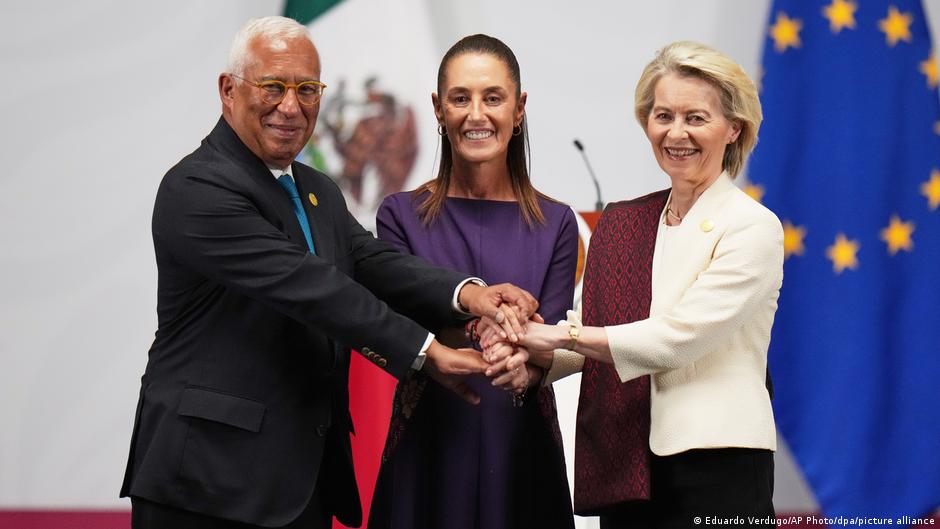
After more than a decade of negotiations, the European Union and Mexico have formally signed an extensive trade and cooperation agreement designed to deepen economic ties and facilitate market access. The agreement, finalized on May 22 in Mexico City, signifies a major shift in trade relations by removing nearly all import tariffs on goods between the two parties.
Key Provisions and Economic Impacts
Under the terms of the agreement, Mexico will eliminate virtually all existing tariffs on imports from the EU, covering a broad range of products including poultry, asparagus, dry milk, cheese, and pork, although some tariff-rate quotas will apply. In addition, bureaucratic obstacles affecting trade flows will be addressed, and access to government procurement markets will be simplified, aiming to create a more streamlined business environment.
European Commission President Ursula von der Leyen met with Mexico City Mayor Claudia Sheinbaum ahead of the signing, emphasizing Europe’s commitment to supporting Mexico's infrastructure development with an investment pledge of €5 billion. This financial commitment is expected to accelerate projects that will enhance the operational capacities and economic integration between the regions.
According to estimates from Mexico’s Ministry of Economy, the agreement could increase Mexican exports to the EU by approximately 50% by 2030, reaching around €31 billion annually. Presently, the EU exports roughly €56 billion worth of goods to Mexico each year, with overall trade volumes having grown 75% over the last decade. The agreement further protects geographical indications for European products such as Parmigiano-Reggiano, Bavarian beer, and Tyrolean bacon, while securing EU access to vital raw materials from Mexico.
"Given the current geopolitical context, our partnership is more important than ever," said European Council President António Costa, highlighting the strategic significance of the deal.
The pact also reinforces commitments beyond trade, incorporating provisions on climate change, human rights, and international cooperation. This marks a comprehensive approach to modern trade agreements that balance commercial interests with broader societal concerns.
Strategic Diversification Amid Global Trade Challenges
In light of recent shifts in global trade policy, notably under the previous US administration, both the EU and Mexico view this agreement as a strategic move to diversify and strengthen their economic relations. Mexico, with its population of 130 million and status as a major manufacturing hub, including for German enterprises, is positioning itself as a pivotal partner in the transatlantic market.
The agreement’s ratification process is underway within the EU institutions, with expectations of a formal global pact shortly thereafter. The deal complements Mexico’s existing Free Trade Agreement with the United States and Canada, enhancing its role in the North American supply chain and providing EU companies with greater access to the region.
Financial markets and investors are likely to view this development favorably, as the agreement promises increased trade flows, reduced costs, and enhanced regulatory cooperation, all of which contribute to a more predictable and attractive investment climate.