EU Postpones Appointment of Negotiator for Russia-Ukraine Conflict Amid Strategic Deliberations
The European Union opts to delay naming a representative for talks with Russia, prioritizing strategy and sanctions development.
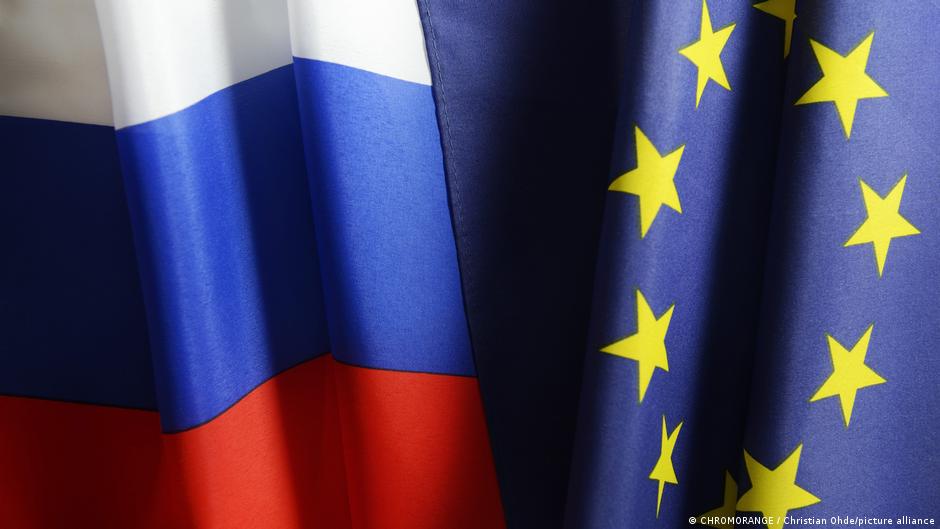
The European Union has decided not to appoint a special representative for potential negotiations to end the war in Ukraine at this time. The move reflects the EU's desire to first establish a clear strategy and define the negotiation agenda before engaging directly with Russia.
Strategic Considerations Over Immediate Negotiations
According to high-ranking EU officials, both the EU's High Representative for Foreign Affairs and Security Policy, Josep Borrell, and leading member states including Germany, see the appointment of a specific negotiator as premature. An EU official explained, "We need to agree first on the topics we want to discuss with Russia." This cautious approach suggests that Brussels is currently focusing on building a cohesive and unified stance before formal talks commence.
The EU believes that sustained and targeted sanctions will provide leverage necessary to bring Russian President Vladimir Putin to the negotiating table. On May 28, the European Commission and the European External Action Service (EEAS) presented a draft of the 21st sanctions package against Russia during closed consultations. This package is expected to impact Russia's financial sector and suppliers to its defense industry, aiming to increase economic pressure.
Potential Negotiators and Political Dynamics
Within the EU and its member states, there has been active discussion about appointing a special envoy for negotiations with Russia. Several high-profile candidates have been proposed, including former European Central Bank President Mario Draghi, former German Chancellor Angela Merkel, and Finnish President Sauli Niinistö. These figures are considered for their diplomatic experience and political stature.
"We, the Europeans, decide who speaks on our behalf. No one else," stated German Chancellor Friedrich Merz, rejecting external influence on the EU’s choice of negotiator.
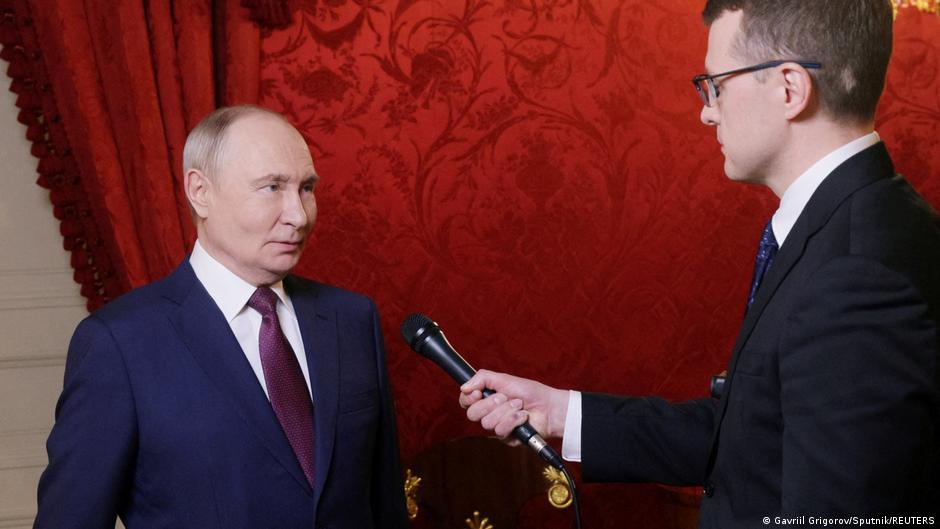
Russian President Vladimir Putin previously expressed a preference for former German Chancellor Gerhard Schröder as the EU’s negotiator. However, Schröder, who is closely associated with Putin and currently aged 82, has been explicitly ruled out by both the current German government and EU representatives.
Germany’s firm stance, supported by the EU, underlines the bloc’s commitment to maintaining sovereign control over its diplomatic processes. The postponement of naming a negotiator reflects a broader approach of aligning internal consensus and maximizing the impact of economic sanctions as a path toward conflict resolution.
As the war in Ukraine continues, the EU’s financial and diplomatic strategies remain under close scrutiny by global investors and policymakers. The potential economic ramifications of expanded sanctions on Russia’s financial and defense sectors could have significant ripple effects across European markets, influencing investor sentiment and regional economic stability.