EU Sanctions Renewal Puts Russian Billionaire Listings Back in Focus
Kaja Kallas urged EU ambassadors to extend Russia sanctions as member states weighed delistings tied to Alisher Usmanov and Mikhail Fridman.
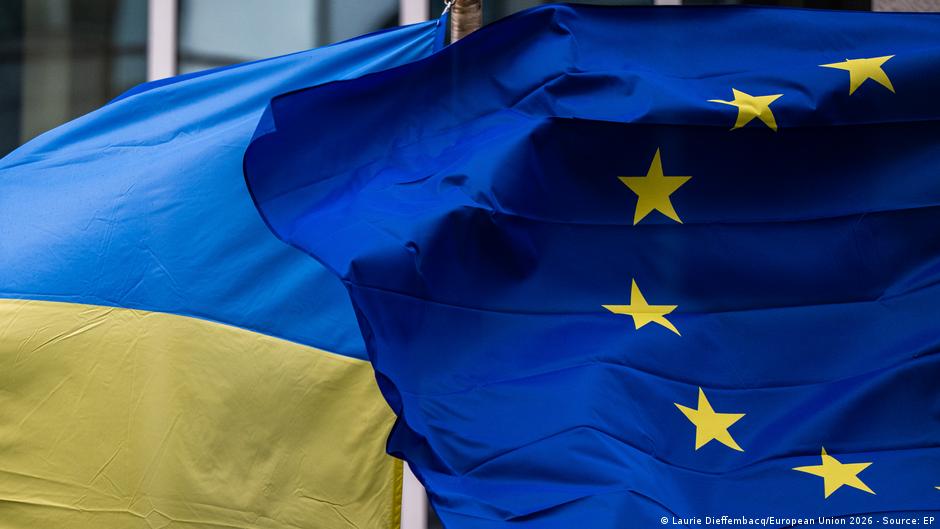
European Union foreign policy chief Kaja Kallas has urged the bloc’s permanent representatives to extend sanctions against Russia, framing the measures as a core instrument for restricting Moscow’s access to financing during the war in Ukraine. Her appeal came ahead of a new meeting of EU ambassadors, after previous talks failed to secure another full rollover of the restrictive measures because of disagreements over Russian billionaires Alisher Usmanov and Mikhail Fridman.
Speaking to journalists in New York on Monday, September 21, Kallas said the sanctions remain an essential part of the EU response to Russia’s war. The measures, she said, are designed to deprive Moscow of funding and pressure the networks linked to the Russian state and its war effort.
“Sanctions are a key element of our response to the war unleashed by Russia,” Kallas said.
For investors, banks, compliance teams and multinational companies with exposure to sanctioned jurisdictions, the renewed debate highlights the financial significance of EU listings. Sanctions affect asset freezes, transaction screening, ownership checks, legal risk, custody decisions and investor relations for entities with links to designated individuals or organizations. Even when measures target individuals rather than public companies, they can shape financing channels, counterparty risk and the willingness of institutions to conduct transactions involving related assets.
Ambassadors Face Deadline on Six-Month Extension
The next meeting of EU permanent representatives is scheduled for the morning of September 22, according to a DW correspondent in Brussels citing an EU diplomat. The ambassadors are expected to discuss the possible removal of sanctions on Usmanov and Fridman while preserving restrictive measures against thousands of other individuals and organizations.
The immediate timing matters because the current arrangement was extended only temporarily after ambassadors failed on September 14 to agree on the next six-month renewal of sanctions imposed over Russia’s violation of Ukraine’s territorial integrity. Instead of approving the routine rollover, they prolonged the existing regime for further consultations, with that stopgap running until midnight on September 22.
Kallas said representatives of EU member states were seeking to conclude negotiations soon and ensure that the extension enters into force quickly. She stressed that the EU position remains unchanged and that Brussels is already working on a new sanctions package. That message appeared aimed at preserving policy continuity at a moment when individual delisting requests risk complicating the broader renewal process.
From a financial reporting perspective, the case illustrates how sanctions policy can create recurring disclosure and compliance considerations. Companies operating in Europe or clearing transactions through European institutions must assess whether customers, shareholders, suppliers, lenders or beneficial owners are subject to restrictions. A lapse, delay or modification in listings can affect internal controls, legal reserves, risk statements and the language used in annual and quarterly filings.
Dispute Centers on Usmanov and Fridman
According to anonymous sources cited by DW, the disagreements were linked to Slovakia’s effort to remove both Usmanov and Fridman from the sanctions list. France, in turn, blocked the extension of the sanctions regime while seeking the removal of Usmanov. Reuters reported on September 21, citing diplomatic sources, that Luxembourg also supported removing Fridman from the punitive measures.
The focus on two high-profile Russian businessmen underscores the balance EU governments are trying to strike between maintaining a broad sanctions regime and addressing specific listing disputes. For financial institutions, such debates are not theoretical. Designations can determine whether assets remain frozen, whether payments are blocked, and whether corporate relationships require enhanced due diligence or termination.
Usmanov and Fridman have long been prominent names in Russian business circles. The source article does not provide details on their corporate holdings, asset values or litigation status, and the current EU discussion described by diplomats is limited to whether their names should remain on the sanctions list. The broader sanctions regime, however, covers thousands of people and entities, meaning the potential removal of selected individuals would not by itself dismantle the EU’s restrictive framework against Russia.
Ukraine criticized the possibility of lifting sanctions on both billionaires. Ukrainian Foreign Minister Andrii Sybiha said Usmanov and Fridman were placed on sanctions lists because of their affiliation with the “Russian aggressive regime, which is waging a war of conquest against Ukraine.” Sybiha said nothing had changed since then.
That position reflects Kyiv’s concern that delistings could weaken the financial pressure architecture built by the EU and its partners since Russia’s full-scale invasion of Ukraine. While sanctions are political tools, they also function through balance sheets: frozen assets, blocked transactions, restricted financing, constrained market access and reputational risk for counterparties.
Policy Continuity Remains the Market Signal
Kallas’s statement that Brussels is already preparing a new sanctions package signals that EU policymakers intend to keep financial pressure on Russia even as they work through internal disagreements. The unresolved issue is whether individual member states can secure changes to specific listings without delaying the broader six-month renewal.
For companies and investors, the practical takeaway is that sanctions remain a live governance issue rather than a static compliance checklist. Any change in EU designations can affect ownership analysis, financing arrangements, supplier onboarding, banking access and risk disclosures. Firms with complex cross-border structures are likely to continue monitoring the September 22 discussions closely, especially where Russian counterparties, beneficial ownership questions or asset-freeze obligations may be relevant.
The ambassadors’ meeting therefore carries implications beyond diplomacy. It will determine whether the EU can preserve continuity in one of its main economic responses to Russia’s war while managing pressure from member states seeking exemptions for specific individuals. Kallas’s intervention placed the emphasis on speed, unity and continued financial restriction, arguing that sanctions remain central to the bloc’s strategy for limiting Moscow’s ability to fund the war.