Fed Raises Benchmark Rate to 3.75%-4% in First Increase in Three Years
The Federal Reserve lifted rates by 25 basis points as inflation remained above target, reshaping borrowing costs and investor expectations.
The U.S. Federal Reserve raised the federal funds rate by 25 basis points to a target range of 3.75% to 4% annually, marking its first rate increase in three years and signaling a renewed emphasis on inflation control after a period of monetary easing. The decision, announced on Wednesday evening, September 16, was justified by the central bank as necessary to counter inflation in the United States.
For investors, lenders, borrowers and corporate finance teams, the move alters the near-term interest-rate environment at a moment when balance sheets, refinancing plans and earnings guidance remain highly sensitive to borrowing costs. A higher policy rate typically filters through to credit markets, affecting corporate debt issuance, mortgage rates, bank margins, discount rates used in equity valuation and the broader cost of capital.
The Federal Open Market Committee voted unanimously in favor of the increase, with all 12 members backing the decision, according to the publication. The step follows a sequence of reductions in the previous two years: the rate had been cut three times in 2024 and three times in 2025 before the latest reversal.
Inflation Pressures Drive Policy Shift
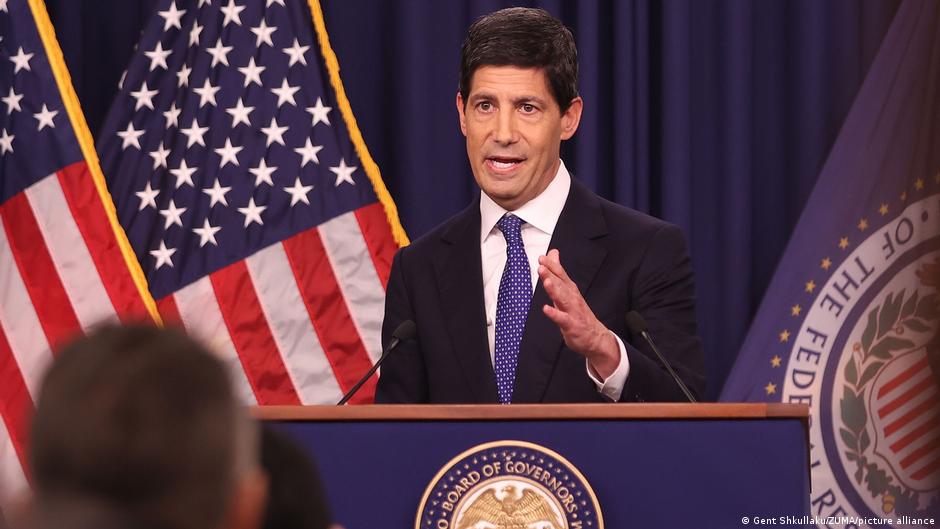
Fed Chair Kevin Warsh framed the decision around the central bank's inflation mandate, saying the committee's main focus was price stability. At a press conference, he said inflation had remained too high for too long, stressing that the persistence of price growth required a response from policymakers.
“Simply put, inflation is too high, and this has gone on for too long. That is a fact,” Warsh said.
Warsh noted at the September 16 press conference that U.S. inflation has exceeded the 2.0% target for five years. In July and August of the current year, inflation stood at 3.4%, keeping price growth materially above the Federal Reserve's objective and increasing pressure on policymakers to tighten conditions despite political resistance.
The Federal Reserve's mandate differs from that of the European Central Bank in Frankfurt. While the ECB is commonly associated primarily with price stability, the U.S. Federal Reserve operates under a dual mandate: to secure price stability and support a strong labor market. That dual responsibility makes each rate decision a balance between inflation risks and potential strain on employment, credit demand and business investment.
From a financial reporting perspective, the rate increase is likely to be reflected across multiple areas of corporate disclosures. Companies with floating-rate debt may face higher interest expense, while firms preparing debt refinancing could encounter less favorable terms. Banks and other financial institutions may see changes in net interest income, though credit quality and loan demand will also be watched closely. Real estate-related businesses, including mortgage lenders and homebuilders, may face renewed pressure if borrowing becomes less affordable.
Warsh's Background and Market Implications
Kevin Warsh was nominated to lead the Federal Reserve by U.S. President Donald Trump and took office in mid-May. He previously served on the Federal Reserve Board of Governors from 2006 to 2011. Before that, Warsh worked as a banker at Morgan Stanley, where he specialized in mergers and acquisitions. He also advised Trump on economic policy.
According to the account cited in the source material, Trump had expected Warsh, as Fed chair, to help preserve low interest rates. Lower rates would have supported more affordable real estate loans, among other effects. Instead, inflationary conditions pushed the central bank toward tightening. The war by the United States and Israel against Iran, ongoing since late February, led to a sharp rise in energy prices and, consequently, contributed to inflationary pressure, journalists noted.
The rate increase places additional attention on the Federal Reserve's communications with markets. Investors will parse future statements for indications of whether the September move is a one-off adjustment or the start of a broader tightening cycle. The unanimous vote may be read as a strong signal that the committee sees inflation as a sufficiently serious risk to warrant higher rates even after six cuts across 2024 and 2025.
The decision also has implications for valuation models. Higher benchmark rates can raise discount rates applied to future cash flows, which may weigh on equity prices, particularly for growth companies whose valuations depend heavily on long-term earnings expectations. Bond markets, meanwhile, may reprice yields to reflect the new policy path. Companies reporting quarterly results in the coming weeks may face investor questions about hedging, liquidity, debt maturity schedules and exposure to higher financing costs.
Trump Criticizes the FOMC Decision
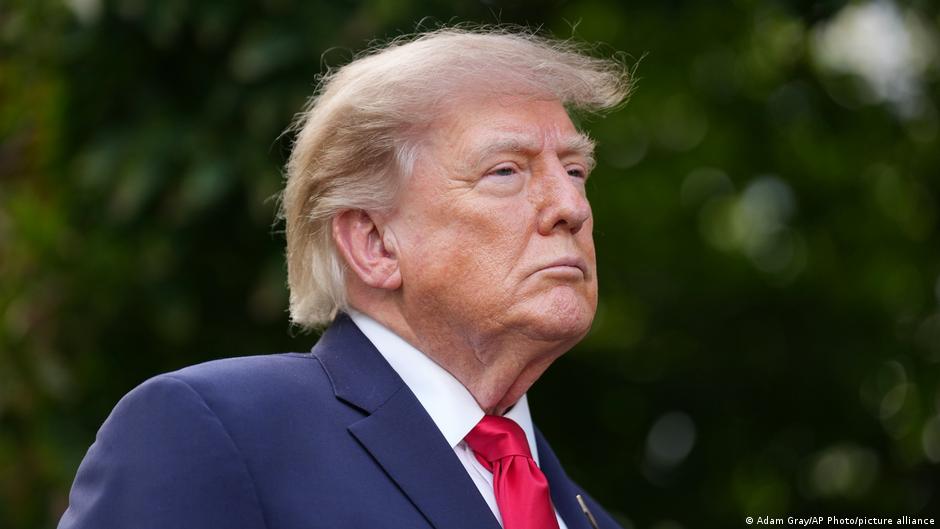
Trump sharply criticized the FOMC's move to raise the benchmark rate, saying it was driven by “political motives.” Speaking to reporters in North Carolina on September 16, he said Warsh was a good person but had to deal with hostile leadership regardless of how well he performed his job.
“They are raising the key rate to do as much harm as possible to Trump,” Trump said, adding that the increase was politically motivated.
The political reaction adds another layer of uncertainty for markets, particularly around Federal Reserve independence and the relationship between monetary policy and the White House. For investor relations teams, the main practical issue will be whether higher rates persist and how management teams explain their exposure to the changed environment. Companies with strong cash positions may be better placed to absorb the shift, while highly leveraged businesses could see margins and earnings forecasts come under closer scrutiny.
The central question for financial markets is now whether inflation data will validate the Fed's decision. With inflation at 3.4% in July and August and still above the 2.0% target, the central bank has made clear that price stability remains its priority. The September 16 increase moves policy into a tighter stance and gives investors a new benchmark for assessing credit conditions, earnings resilience and balance-sheet risk.