Friedrich Merz's Inner Circle Denies Plans for Early Chancellor Replacement Amid Political Uncertainty
Sources close to German Chancellor Friedrich Merz dismiss rumors of an early leadership change as baseless speculation.
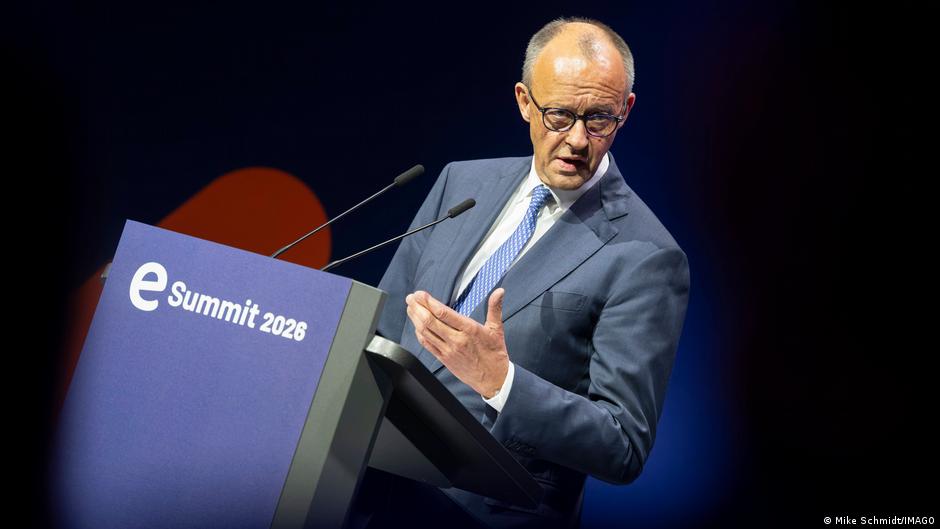
Amid increasing speculation about political instability within Germany's ruling Christian Democratic Union (CDU), sources close to Chancellor Friedrich Merz have categorically denied reports suggesting preparations for his early replacement. These rumors, initially circulated by media outlets Stern and Bild, have been labeled "absurd speculations" by Merz's inner circle.
According to these sources, the narrative of an imminent leadership change reflects a "dangerous tendency toward incitement" and a "striking ignorance of constitutional and political realities." Such unfounded rumors are seen as benefiting the far-right Alternative for Germany (AfD) party while undermining the credibility of the political center during a period marked by domestic and global crises.
Constitutional and Political Complexities of a Chancellor Replacement
The prospect of replacing an incumbent chancellor before the natural end of the term is constitutionally challenging. In such a scenario, Merz would either need to initiate new chancellor elections within the current Bundestag or resign under pressure from influential party members. This would open the path for a joint election of a successor by members of the CDU/CSU parliamentary bloc and the Social Democratic Party (SPD). However, this process would be complex and fraught with political hurdles, not least because the SPD's consent would be crucial but uncertain.
"The idea of a chancellor change represents not only political speculation but also a misunderstanding of Germany's constitutional framework," noted one source close to Merz.
The media reports named several potential candidates for the chancellorship, including Hendrik Wüst, Minister-President of North Rhine-Westphalia; Markus Söder, Minister-President of Bavaria; and Jens Spahn, leader of the CDU/CSU parliamentary group. Despite these discussions, Merz's associates emphasize that no formal plans or preparations are underway for any leadership transition.
Impact on Public Opinion and Party Standing
Recent polls reflect a challenging environment for Merz and his government. The Deutschlandtrend survey conducted in May revealed that public dissatisfaction with the federal government had reached a high point since the current coalition took office, with 86% of Germans expressing disapproval of the cabinet's performance. Merz's personal approval rating also declined sharply, hitting a low of 16%—the lowest since he assumed the chancellorship.
These figures highlight the political pressures facing the CDU and underscore why rumors of early leadership change raise concerns within the party. Merz's team argues that such speculation distracts from addressing pressing issues and risks empowering fringe political forces.
From a financial perspective, political stability is critical for investor confidence and economic planning. Uncertainty surrounding Germany's leadership could influence market perceptions and impact both domestic and international investments. The CDU's ability to project unity and effective governance remains central to maintaining Germany's economic and political standing within Europe.