G20 Invitation Puts Russia Risk Back on Investor Watchlists, Wadephul Says
Germany says any Russian participation in the Miami G20 should be judged against a ceasefire signal and Moscow’s readiness for Ukraine talks.
A possible appearance by Russian President Vladimir Putin at the December G20 summit in Miami is emerging as a political test with financial-market implications, as Western governments weigh whether diplomacy can reduce the geopolitical risk premium linked to the war in Ukraine.
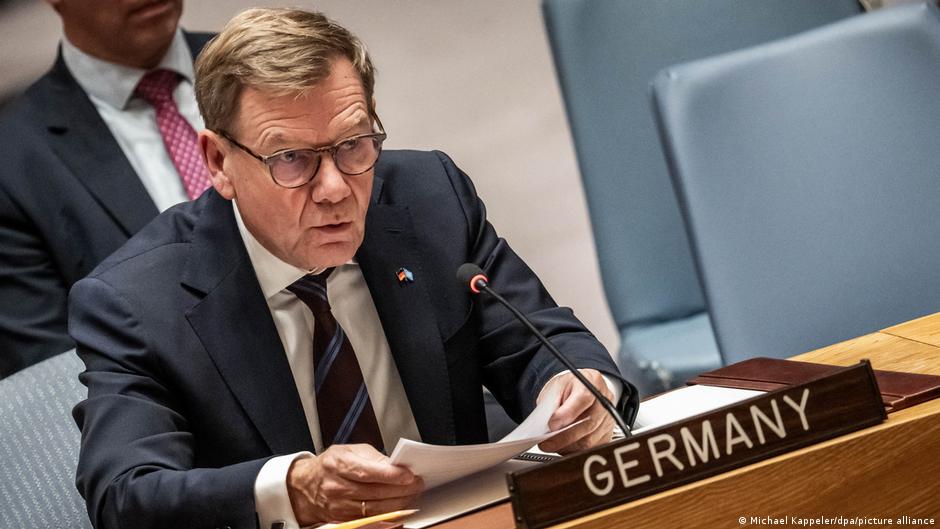
German Foreign Minister Johann Wadephul said on Friday, September 25, during a meeting in Ottawa with Canadian Foreign Minister Anita Anand, that the U.S. invitation to the G20 would serve as a “litmus test” for Putin. In Wadephul’s view, the issue is whether the Kremlin is prepared to enter serious negotiations aimed at ending the war in Ukraine.
For governments, investors and companies exposed to European security risks, the practical signal Wadephul identified was not protocol or summit attendance, but a ceasefire in Ukraine. He said Germany and other Western allies of Ukraine have repeatedly called on Russian authorities, and Putin personally, to come to the negotiating table. A halt to fighting, he indicated, would show whether Russia is ready for substantive talks.
“Russia must negotiate — the sooner, the better,” Wadephul said.
Diplomacy Becomes a Market Variable
The comments place the G20 invitation into a broader financial reporting frame: geopolitical risk remains a material variable for governments, energy markets, sanctions compliance, trade flows and corporate disclosures. Although Wadephul did not discuss market pricing, earnings or fiscal costs, his remarks underline how investors may look for concrete diplomatic indicators before adjusting assumptions tied to the war.
A ceasefire would be read far differently from attendance at a summit. For financial markets, a reduction in active hostilities could affect risk assessments around European defense spending, reconstruction expectations, insurance costs, commodity volatility and the sanctions environment. By contrast, a purely symbolic appearance by Putin, without a shift on the battlefield or at the negotiating table, would provide little basis for changing balance-sheet risk assumptions.
Asked whether the G20 summit should be boycotted if Putin continues military operations, Wadephul stressed that Russian participation remains “very hypothetical.” He urged observers to wait for developments over the coming weeks. That caution is consistent with the uncertainty facing policymakers and investors alike: the invitation has been reported, but the Kremlin has not yet decided how to respond.
Anand also said that the possibility of Putin attending the G20 should not automatically become grounds for a boycott. She framed the matter as one of diplomatic necessity, saying that diplomacy means remaining at the table and holding difficult conversations. Her position suggests that Canada, like Germany, is not treating attendance alone as the determining factor. The test is whether engagement can produce movement toward negotiations.
U.S. Invitation Draws Senate Pushback
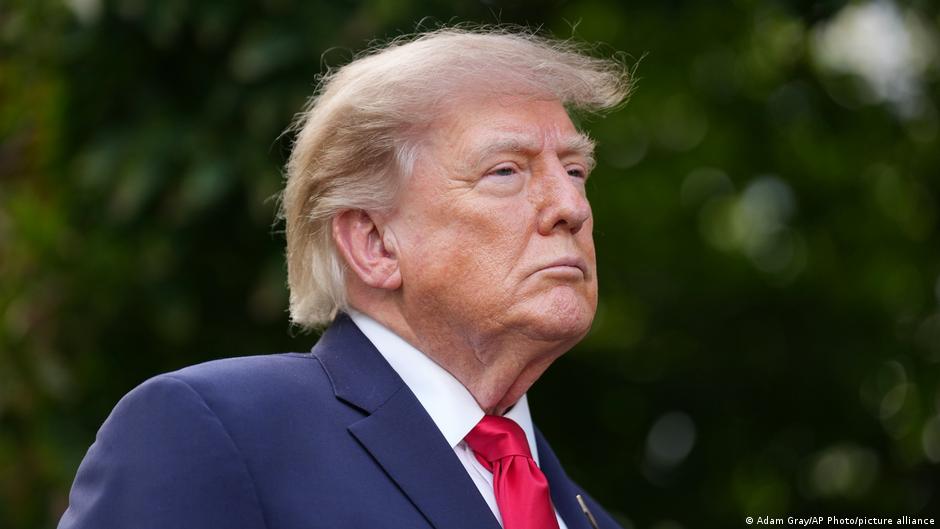
The diplomatic opening was first described by U.S. Secretary of State Marco Rubio, who said the Kremlin leader had been invited to the G20 summit scheduled for December in Miami. Rubio said the visit would give Putin an opportunity to hold talks with U.S. President Donald Trump and other heads of state and government.
The Kremlin, according to the source article, has not yet made a decision on the invitation. That pending response leaves governments and market participants facing an unresolved scenario: potential direct talks involving Russia at a major economic forum, but no confirmed Russian attendance and no sign yet that Moscow is prepared to meet Western conditions for meaningful negotiations.
The invitation has also triggered opposition in Washington. The Washington Post reported that a bipartisan group of 14 U.S. senators urged Trump to withdraw the invitation. In their appeal to the White House, Republican and Democratic senators argued that Putin bears sole responsibility for Russia’s full-scale war of aggression against Ukraine.
Allowing Putin to take part in the G20 summit in the United States raises serious concerns about legitimizing and normalizing authorities that continue daily strikes on civilian targets in Ukraine, the senators said.
The senators also pointed out that Putin and other members of the Russian delegation are under U.S. sanctions for actions Washington regards as a threat to national security. Their argument links diplomatic access directly to sanctions policy: if Putin is not isolated from the international community, they believe he will have less incentive to end the war in Ukraine.
That sanctions dimension is central for financial institutions and multinational companies. Sanctions regimes shape compliance costs, capital flows, counterparty risk, banking relationships and the legal boundaries around transactions involving Russian entities or officials. Even without new financial measures, any perceived shift in diplomatic treatment of sanctioned individuals can create uncertainty for compliance departments and investor-relations teams explaining geopolitical exposure.
Ceasefire Signal Would Matter More Than Optics
Wadephul’s formulation narrows the relevant benchmark. The G20 is an economic forum, but the German foreign minister indicated that the key financial and diplomatic signal would come from Russia’s conduct in Ukraine, not from summit choreography. A ceasefire would point to a possible change in the operating environment; continued fighting would strengthen the case of those arguing against normalization.
For Ukraine’s Western backers, the stakes include public budgets, military assistance, reconstruction planning and the durability of sanctions. For companies, especially those with European operations or exposure to energy and commodity markets, the war remains a persistent risk factor. The prospect of talks may be noted in forecasts, but the absence of a ceasefire keeps any reassessment highly conditional.
The coming weeks are therefore likely to matter for both diplomacy and market interpretation. If the Kremlin declines the invitation, the summit question may fade as a near-term issue. If Putin accepts without any ceasefire signal, the political controversy in Washington and among allies could intensify. If Moscow moves toward a halt in fighting, the G20 could become a venue for talks with implications that reach beyond foreign policy into sanctions, sovereign risk and corporate planning.
For now, Wadephul’s message is that investors and governments should focus less on the optics of an invitation and more on whether Russia takes measurable steps toward negotiations. In financial terms, the relevant disclosure is not attendance; it is whether the underlying risk event begins to change.