Gasoline Prices in Crimea Nearly Double in One Week Amid Russia’s Fuel Supply Challenges
Fuel prices in annexed Crimea surged by over 78% in early July, reflecting broader supply disruptions and export restrictions in Russia.
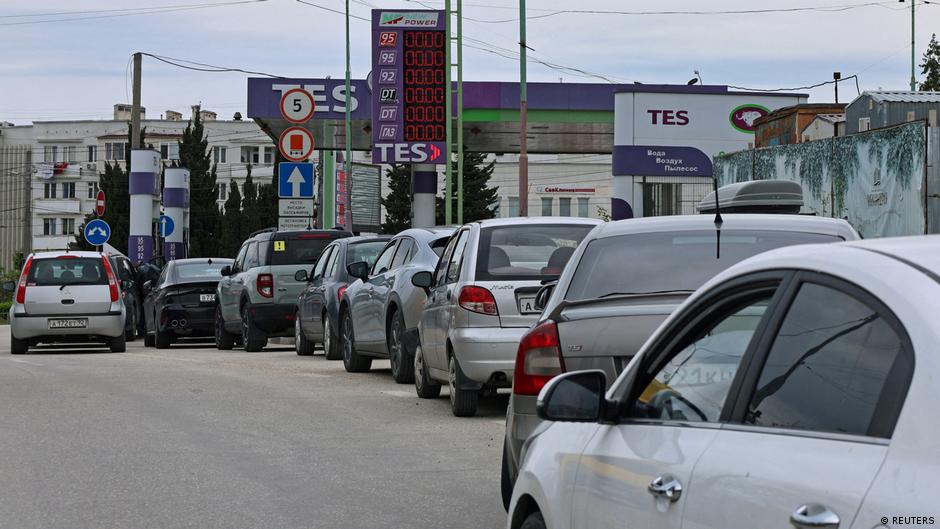
In the first week of July, gasoline prices in the annexed region of Crimea rose by an average of 78.4%, according to the latest report from Rosstat, Russia's federal statistics service. The price of premium AI-95 gasoline, a popular fuel grade among motorists, nearly doubled, climbing 92% from 88.82 rubles to 170.59 rubles per liter.
Regional Price Surges and Nationwide Trends
While Rosstat's weekly report on regional fuel prices did not explicitly highlight the areas with the steepest increases, independent analysis identified Crimea as the clear leader in price growth for the period from June 30 to July 6, 2024. Previously, Sevastopol, also an annexed territory, had recorded the sharpest increases.
Prices exceeding 100 rubles per liter are currently observed across all gasoline types at filling stations in the Republic of Tuva. Furthermore, the average price of AI-95 gasoline has risen above 90 rubles in Kalmykia, Dagestan, Kabardino-Balkaria, Chechnya, and Kamchatka. Regions such as Magadan, Kamchatka, Yakutia, Tyumen, and others also report gasoline prices above 80 rubles per liter for AI-92 fuel.
On a nationwide scale within Rosstat's jurisdiction, gasoline prices increased by 2.1% and diesel fuel by 3.4% over the same week, marking the fifth consecutive week of rising fuel costs. The Ivanovo region followed Crimea with a 19% increase in fuel prices. For comparison, in the last week of June, gasoline prices rose by 1.6% and diesel by 2.2%.
Government Response and Export Restrictions
"To stabilize the domestic fuel market situation, Russia has extended diesel export restrictions to producers until the end of July," stated Deputy Prime Minister Alexander Novak.
Amid a worsening fuel supply crisis triggered by increased Ukrainian attacks on Russian oil refineries and energy infrastructure since late May, the Russian government imposed a ban on diesel exports from July 8 to 31, 2024. This measure extends previous export limitations applied since January 2024 but now includes fuel producers themselves.
The shortage has led to long queues at gas stations and widespread fuel rationing measures across nearly 60 regions, including occupied Ukrainian territories. The crisis also prompted regulatory easing, allowing the sale of Euro-3 standard fuels, which have significantly higher sulfur content than the more environmentally friendly Euro-5 fuels.
International Fuel Procurement Amid Domestic Shortages
To alleviate supply disruptions, Russia has increased imports of petroleum products. Reuters reports that India has shipped nearly 60,000 tons of gasoline to Moscow by sea. Negotiations are ongoing with Kazakhstan, and Russia is preparing to acquire a batch of Japanese aviation fuel through trading intermediaries.
These developments signal significant strain on Russia's domestic fuel market, with sharp price volatility in annexed territories like Crimea underscoring the broader challenges facing the country’s energy supply chains and pricing stability.