Germany Reports Record €124.7 Billion Defense Budget for 2026 amid NATO Spending Surge
Germany announces a 25.5% increase in defense spending for 2026, reaching €124.7 billion, reflecting its commitment to NATO goals and planned debt issuance.
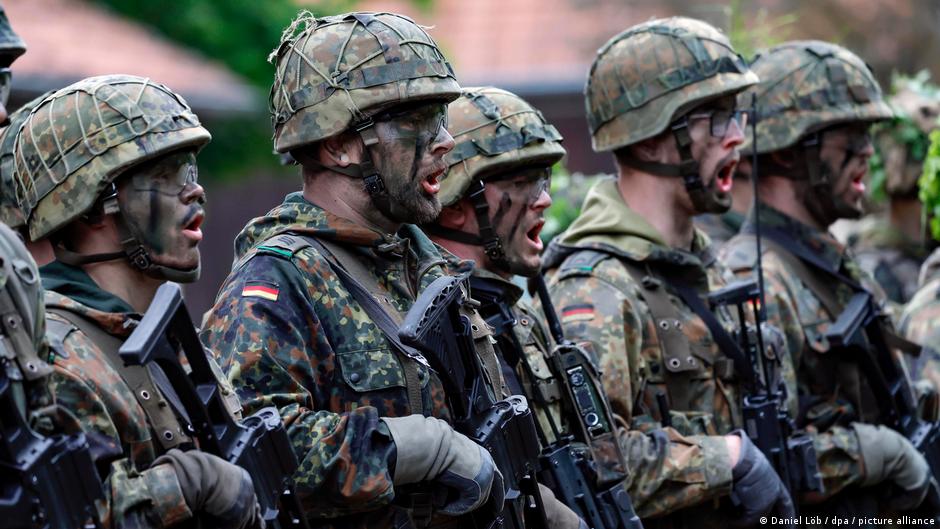
In the lead-up to the NATO summit held in Ankara, new data on member countries' defense expenditures were released, highlighting a record budget for Germany. The German government reported defense spending of €124.7 billion for 2026, marking a significant increase compared to previous years.
Substantial Increase in Germany's Defense Budget
According to NATO figures published on July 7, 2024, Germany's planned defense expenditure for 2026 will rise by 25.5% from approximately €99.3 billion in 2025. This €25.4 billion increase represents the largest absolute growth in defense spending recorded by Germany within NATO. Only the United States allocates more funds to defense among alliance members.
The defense spending as a percentage of Germany's gross domestic product (GDP) is projected to reach 2.69% in 2026, up from 2.22% in 2025. This upward trajectory reflects Germany's strategic efforts to meet NATO's spending expectations amid evolving geopolitical challenges.
"Last year, European allies and Canada increased their defense spending by nearly 20%, adding an additional $139 billion," said NATO Secretary General Jens Stoltenberg, emphasizing collective progress.
Funding Strategy and Broader NATO Context
Germany plans to raise over €800 billion in debt by 2030 to support the expanding defense budget. Notably, government bond issuance is set to exceed €200 billion in 2027, a 12.5% increase from the prior year, underscoring the fiscal commitment underpinning military investments.
These funds will primarily finance Germany's defense budget, which is expected to reach €183.6 billion by 2030, accounting for roughly one-third of the national budget. This strategic prioritization signals Germany's role as a key contributor within NATO.
Despite these increases, European NATO members and Canada still trail the United States in defense expenditure. For 2026, the U.S. plans to invest approximately $850.2 billion (about €745 billion), substantially exceeding the combined €556 billion budget of all other NATO partners. The U.S. remains the global leader in defense spending, followed by China, Russia, and Germany—currently the fourth largest spender worldwide.
NATO Spending Targets and Member Nation Performance
NATO has set ambitious targets for member states to allocate at least 3.5% of GDP to defense by 2035, including an additional 1.5% toward defense-related expenditures. In 2024, five NATO countries—Greece, Poland, Latvia, Lithuania, and Estonia—are forecasted to meet or exceed a 5% defense spending threshold, demonstrating leadership in defense commitments.
Furthermore, data indicates that 17 additional NATO members are on track to reach the 3.5% target by the end of 2024, reflecting broader alignment with alliance objectives.
However, some members such as Belgium, Spain, and the Czech Republic are projected to maintain defense expenditures at approximately 2% of GDP in 2026. Slovenia is expected to fall below the 2% benchmark, which NATO had recommended achieving by 2024.
This evolving financial landscape underscores the varied pace at which NATO members are adjusting their defense budgets to meet collective commitments amidst shifting global security dynamics.