US Military Strikes on Iran Follow Renewed Sanctions Amid Rising Middle East Tensions
US strikes targeting Iranian military assets respond to attacks on commercial vessels amid sanctions reinstatement and stalled diplomatic talks.
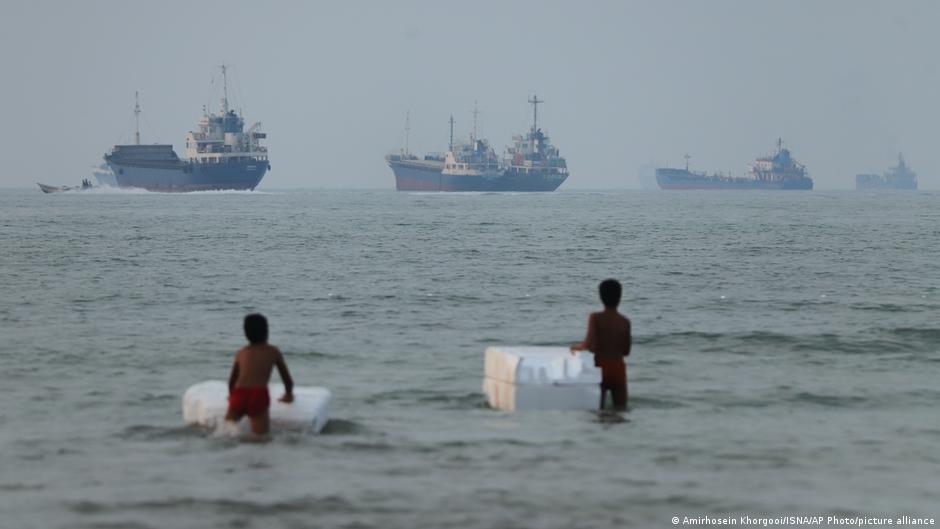
The United States military launched extensive strikes against Iranian targets as a direct response to Tehran's recent attacks on three commercial vessels in the strategically critical Strait of Hormuz, according to the US Central Command (CENTCOM). These military actions come in conjunction with the US government reimposing sanctions on Iranian oil exports, complicating the already tense geopolitical landscape affecting global energy markets.
Details and Strategic Implications of the US Strikes
CENTCOM reported that the strikes aimed to inflict significant damage on Iranian military capabilities, specifically targeting air defense systems, command and control networks, coastal radar installations, anti-ship missile defenses, and more than 60 vessels affiliated with the Islamic Revolutionary Guard Corps (IRGC). The attacks were characterized as a response to what the US termed “unprovoked and dangerous aggression” by Iran against commercial shipping.
According to the UK Maritime Trade Operations center (UKMTO), one oil tanker suffered minor damage from a drone strike, while a Qatari liquefied natural gas tanker, Al-Rekajat, sustained severe damage from an unidentified projectile. Information about the third targeted vessel remains undisclosed.
“The aggression demonstrated by Iran was unwarranted and a clear violation of the ceasefire regime,” CENTCOM stated in a social media post.
Following these strikes, the US reactivated sanctions on Iranian oil that had been lifted just over two weeks prior. This move signals a hardening stance by Washington, likely impacting Iran's oil revenues and global oil supply dynamics.
Diplomatic Stalemate and Regional Security Concerns
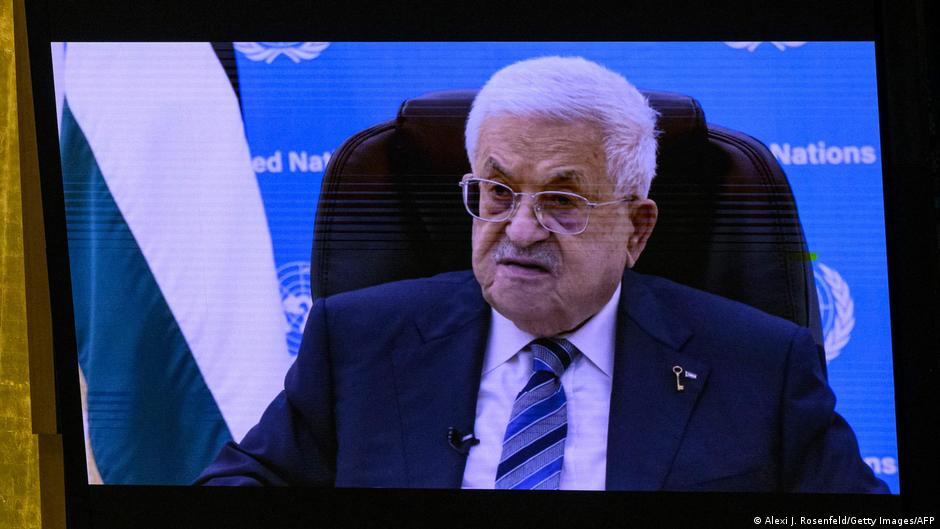
Iran’s Deputy Foreign Minister Kazem Qaribabadi condemned the strikes and sanctions as serious breaches of existing agreements, warning Tehran will take decisive actions to defend its national interests. Meanwhile, Iranian state media reported that the LNG tanker was attacked after ignoring warnings, emphasizing Iran’s insistence that only its designated shipping routes through the Strait are safe.
On the diplomatic front, France and the United Kingdom have proposed a multinational maritime security mission to safeguard commercial navigation through the Strait, engaging NATO and Gulf Cooperation Council states. However, Iran has remained unwilling to participate, dampening prospects for a quick de-escalation.
Amid ongoing negotiations following a recent memorandum between Washington and Tehran, significant issues remain unresolved, including Iran’s nuclear program, US troop withdrawals from neighboring countries, and Iran’s demands for transit fees through the Strait. No substantive progress has been reported, contributing to heightened uncertainty.
Moreover, Iran has not consented to Western-led clearance of naval mines in the Strait, limiting shipping to two narrow channels and reducing maritime traffic to less than half pre-conflict volumes. This constrained transit capacity has implications for global energy markets, given the Strait’s critical role in oil exports.
With renewed US military action and sanctions, the risk of further escalation in the region increases. US President Donald Trump has reiterated that negotiations must yield a deal or the US will take decisive action, while Iran insists that threats from Washington prevent the start of final agreement talks.
From a financial perspective, these developments inject volatility into global oil markets and raise concerns among investors about stability in one of the world’s key energy corridors. Market participants should monitor forthcoming diplomatic and security developments closely, as they will influence oil prices, shipping insurance premiums, and investment decisions related to energy and regional infrastructure.