US Military Launches New Strikes on Iran Amid Rising Geopolitical Tensions
The US escalates military operations targeting Iranian assets to curb disruptions in the Strait of Hormuz, impacting regional stability and energy markets.
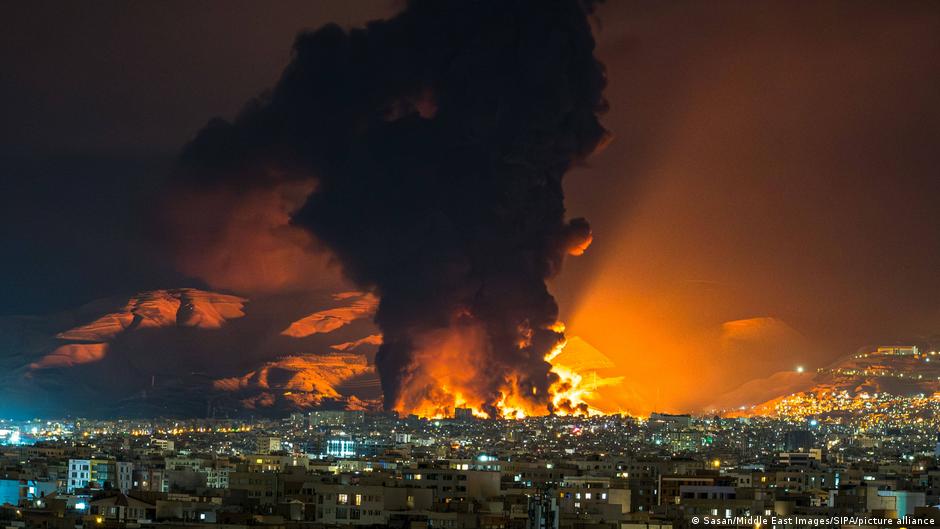
The United States armed forces have initiated a new series of offensive operations against Iran, aimed at limiting Tehran's ability to interfere with maritime navigation through the Strait of Hormuz. This escalation, ordered directly by President Donald Trump, marks a significant intensification of military action in the region.
Operational Details and Strategic Implications
According to the US Central Command (CENTCOM), the strikes targeted over 80 Iranian assets, including air defense systems, command and communication networks, coastal radar stations, anti-ship missile defenses, and more than 60 vessels belonging to the Islamic Revolutionary Guard Corps (IRGC). The operation was launched in response to attacks on commercial shipping vessels in the strategic Strait of Hormuz.
"The aggression demonstrated by Iran was unfounded, dangerous, and a clear violation of the ceasefire regime," CENTCOM stated following the attacks.
These military actions coincide with the reinstatement of US sanctions on Iranian oil exports, which were briefly lifted just over two weeks prior. The renewed sanctions and military strikes collectively aim to exert maximum pressure on Iran’s economic and military capabilities.
In reaction, Iran condemned the US strikes as violations of the memorandum on freedom of navigation in the Strait of Hormuz, with Iranian Foreign Ministry spokesperson Esmail Baghaei accusing Washington of unilateral and aggressive actions undermining the agreement. Tehran has vowed to protect its sovereignty and national interests.
Reports from Iranian media indicate that Iranian authorities have launched retaliatory strikes against US military targets in Kuwait and Bahrain, claiming these actions were direct responses to American airstrikes on coastal bases and civilian infrastructure in southern Iranian provinces.
At the NATO summit, President Trump declared that any existing ceasefire or military de-escalation agreements with Iran are effectively over. He characterized diplomatic engagements with Iranian officials as a waste of time, though he allowed that US negotiators may continue dialogue if they choose.
Impact on Regional Security and Global Energy Markets
The US military’s focus on degrading Iranian anti-access/area denial (A2/AD) capabilities aims to secure unimpeded navigation through the Strait of Hormuz, a vital chokepoint for global oil shipments. Recent incidents include an attack on a tanker by a drone and damage to a Qatari liquefied natural gas tanker, attributed to Iranian forces. These events have heightened concerns over maritime security and the risk of further escalation.
Despite a memorandum signed by Washington and Tehran outlining terms for dialogue on nuclear programs, US troop withdrawals, and transit fees through the Strait, progress has stalled. Iran has yet to authorize comprehensive mine clearance in the passage, limiting vessel transit to narrow routes and maintaining shipping volumes at less than half of pre-conflict levels.
The ongoing military and economic pressures underscore significant uncertainty for investors and stakeholders in energy markets, as instability in the Persian Gulf region threatens supply chains and price volatility. The balance sheets of companies reliant on uninterrupted oil and gas flows face increased risk, and financial analysts are closely monitoring developments for potential impacts on quarterly earnings and global market dynamics.