Trump Signals Potential Lifting of Sanctions on Syria, Opening Doors for Investment
U.S. President Donald Trump has promised to remove Syria from the state sponsors of terrorism list, potentially easing financial restrictions and boosting investor interest.
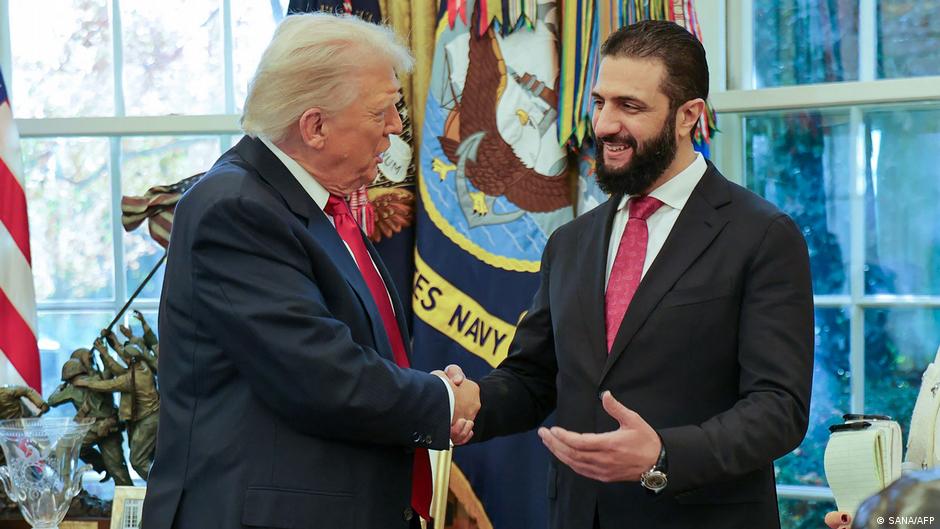
In a significant development for Syria’s economic outlook, U.S. President Donald Trump has expressed intent to remove Syria from the U.S. list of state sponsors of terrorism, signaling a potential shift in U.S. foreign policy that could unlock new investment opportunities. The announcement follows Trump’s personal letter to Syria’s interim president, Ahmed al-Sharaa, highlighting readiness of American companies to invest in Syria’s reconstruction and economic growth.
Implications for Financial and Investment Landscape
The designation of Syria as a state sponsor of terrorism has historically imposed stringent restrictions on foreign aid, arms exports, and financial transactions involving the country. Its removal from this list would effectively ease sanctions, enabling increased capital flows, trade, and bilateral investments. Several Saudi Arabian companies have already pledged to invest in Syria’s rebuilding efforts, reinforcing hopes for wider international economic engagement.
"We have American companies ready to invest in Syria and help make your country greater and more prosperous than ever," President Trump wrote in his letter to al-Sharaa.
Following a NATO summit meeting in Ankara, Trump and al-Sharaa held a private discussion in May 2025 — the first meeting between U.S. and Syrian leaders in 25 years. At this meeting, Trump reportedly signed an executive order to suspend sanctions against Syria and tasked Secretary of State Marco Rubio with reviewing Syria’s status on the terrorism sponsorship list.
This evolving relationship between Washington and Damascus also includes the complete withdrawal of U.S. troops from Syrian territory, a move welcomed by the Syrian Ministry of Foreign Affairs as a sign of improved bilateral ties.
Financial analysts note that lifting sanctions could have profound effects on Syria’s balance sheets and creditworthiness, potentially allowing the Syrian government access to international financial markets and foreign direct investment. However, political risks remain a key consideration for investors, given the country’s complex geopolitical environment and ongoing regional security challenges.
Experts highlight that the reintegration of Syria into the global economy might restore much-needed liquidity to the Syrian government and private sectors, stimulating economic recovery after years of conflict and isolation. The involvement of U.S. companies, alongside Gulf investors, could accelerate infrastructure development and create new revenue streams.
Despite these promising signs, the future financial outlook depends on sustained diplomatic progress and implementation of reforms facilitating transparent economic governance.
In conclusion, the potential removal of Syria from the terrorism sponsors list and easing of sanctions represents a pivotal moment with significant implications for investor relations and financial metrics. It reflects a strategic opportunity for companies looking to participate in Syria’s rebuilding, though careful risk assessment remains essential.