Germany Reports 410 Islamist Threats Amid Rising Radicalization Concerns
Federal agencies classify 410 individuals as Islamist threats, while consultation requests on radicalization remain high in 2026.
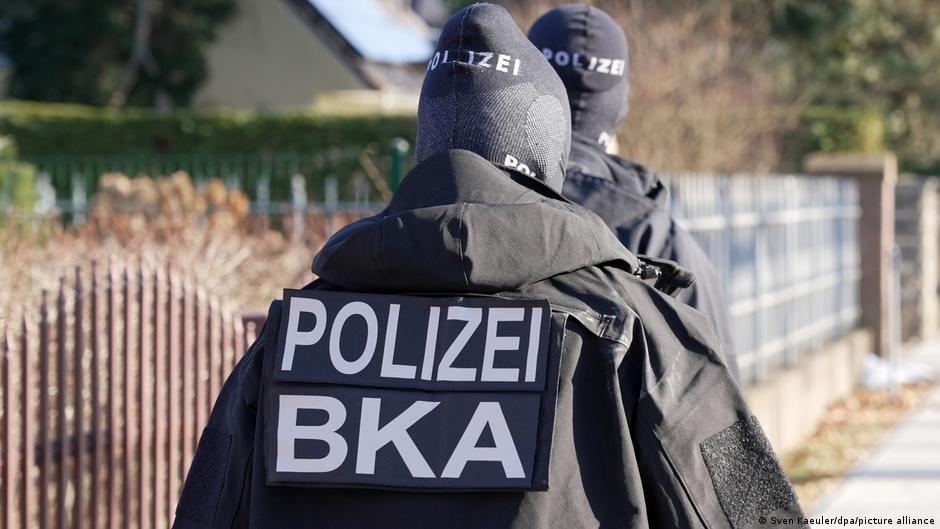
Germany’s Federal Criminal Police Office (Bundeskriminalamt, BKA) has classified 410 individuals as threats related to Islamist extremism as of July 1, 2026, signaling ongoing security challenges within the country. This figure was disclosed on July 28, 2026, underscoring persistent concerns about radicalization and terrorism risks.
Rising Radicalization and Consultation Trends
The Advisory Center for Radicalization at the Federal Office for Migration and Refugees (BAMF) in Nuremberg recorded 165 consultation requests during the first half of 2026, a level consistent with 2023 data. Three years ago, the annual total was 374, indicating sustained demand for expertise on radicalization issues.
"The need for consultations about Islamist radicalization remains high, reflecting ongoing societal vigilance," a BKA spokesman noted.
More than half of the 2025 consultation requests originated from official institutions such as schools, while nearly 43% came from family members concerned about relatives potentially radicalized. Parents formed the largest group seeking advice. The average age of those suspected of radicalization was just under 19 years, highlighting vulnerability among youth.
Security Measures and Challenges
The designation of individuals as threats is managed at the state level, with diverse criteria applied case-by-case. Alongside the 410 Islamist-related threats, authorities identified 65 potential right-wing extremists and 17 potential left-wing extremists.
Urgent cases are referred to regional centers like the Violence Prevention Network (VPN), which maintained contact with Abdul B., the suspect in the July 25, 2026, attack during Berlin’s annual LGBTQ+ parade (Christopher Street Day, CSD). Abdul B., a 21-year-old German citizen of Lebanese descent, drove a white van into parade participants near the Brandenburg Gate, resulting in one fatality and injuring 29 others. He was subsequently killed by police.
Authorities linked Abdul B. to Islamist circles. Having recently been released from a juvenile detention facility where he was held on suspicion of preparing a terrorist attack, he had previously attempted to travel to Syria to join the Islamic State. His case has intensified scrutiny of Germany’s handling of extremist suspects.
Calls for Enhanced Preventive Actions
Following the attack, German Interior Minister Alexander Dobrindt classified the incident as an Islamist terrorist act. The head of the German Criminal Police Union (BDK), Dirk Peglow, criticized current approaches to managing individuals suspected of Islamist sympathies. He emphasized that release from custody should not reduce state monitoring and urged intensified deradicalization efforts both during detention and after release.
Bavarian Interior Minister Joachim Herrmann described a Berlin court’s decision to sentence Abdul B. to a suspended prison term (one year and 10 months) for preparing a violent crime as "catastrophic." This leniency, according to Herrmann, undermines public safety and the effectiveness of the justice system in counterterrorism.
This situation highlights the complex balance between civil liberties, judicial procedures, and national security priorities. Germany continues to monitor and address the threat of radicalization amid evolving geopolitical tensions and domestic security challenges.