House Advances Graham Sanctions Bill With Tariff Risk for Energy Buyers
The measure would let President Donald Trump impose 100% tariffs on major buyers of Russian energy while extending U.S. sanctions on Iran.
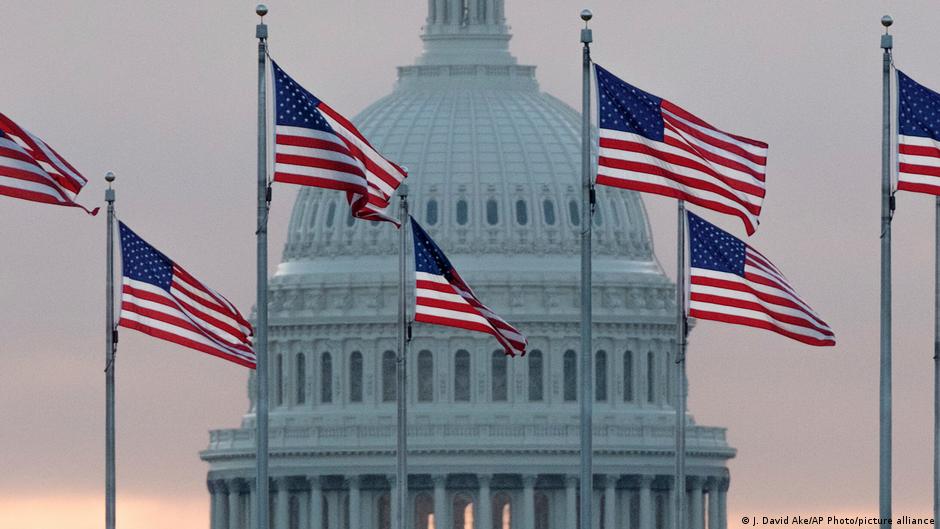
The U.S. House of Representatives cleared a procedural hurdle on Tuesday, September 15, opening the way for floor debate on legislation associated with the late Sen. Lindsey Graham that could materially expand the tariff exposure of countries buying Russian energy resources.
The vote approved the rule governing consideration of the bill, a key step before lawmakers can debate the measure on its merits. The legislation would authorize President Donald Trump to impose tariffs on countries purchasing Russian energy resources and would extend existing U.S. sanctions against Iran. Media outlets have referred to the measure as the “Graham bill,” in memory of the late senator, who helped draft and actively promote it.
From a financial reporting and investor-relations perspective, the bill introduces a potential policy variable for companies, sovereign energy buyers and commodity-linked portfolios exposed to Russian oil and gas flows. If enacted, it would give the White House authority to levy tariffs of 100% against the five largest buyers of Russian oil and gas, as well as against five countries accused of helping Russia circumvent energy sanctions.
The procedural resolution was approved by a narrow margin of 214 to 211, according to The Hill, after two Democrats broke with their party’s position and voted in favor. The result does not enact the tariff authority itself, but it moves the bill into the next stage of legislative consideration and signals that the House could take up the measure in full before the end of the week.
Tariff Authority Moves Closer to a Floor Vote
The legislation sits at the intersection of sanctions policy, trade enforcement and energy market risk. For investors and corporate finance teams, the practical significance lies in the potential for 100% tariff measures to affect pricing assumptions, procurement strategies and disclosure language for companies with indirect exposure to Russian energy supply chains or to jurisdictions that remain significant buyers of Russian oil and gas.
Supporters have framed the bill as a geopolitical message tied to Ukraine and broader U.S. security commitments. During House Rules Committee hearings on Monday, September 14, Republican Rep. Michael McCaul of Texas described the following day’s vote as “exceptionally important” as a message to Russian President Vladimir Putin about American support for Ukraine and as a warning to Chinese President Xi Jinping against attempts at aggression toward Taiwan.
“This will lead to higher prices for Americans and, in the long term, undermine support for Ukraine,” Democratic critics Don Beyer, Gregory Meeks and Richard Neal warned.
Opposition from Democrats has focused on the scope of the tariff authority granted to the president. Critics argue that the bill would sharply expand Trump’s powers over customs duties while failing to mandate sanctions directly against Russia. That criticism is especially relevant to market participants because the bill’s structure could make future tariff action dependent on executive decisions rather than automatic triggers written into statute.
The Democrats’ warning about higher prices also points to a possible inflation and consumer-cost channel. While the source text does not provide estimates of price effects, the concern raised by lawmakers suggests that opponents see the tariff mechanism as capable of raising costs for U.S. consumers. Any such outcome would matter for companies reporting margin pressure, input costs or consumer demand sensitivity in quarterly results.
Potential Reporting Implications for Energy and Trade Exposure
The measure’s core financial relevance is its proposed 100% tariff authority. Tariffs at that level could alter the economics of trade with targeted countries, particularly where energy purchases from Russia are part of broader commercial relationships. Companies with cross-border sourcing, commodity trading operations, shipping exposure or customers in affected countries may need to monitor the bill’s progress as part of risk-factor assessment and forward-looking commentary.
The bill would also extend current U.S. sanctions against Iran, preserving an additional sanctions layer that remains important for banks, insurers, commodity traders and multinational companies with compliance obligations. Although the immediate political attention is on Russia-related energy purchases, the Iran provision means the legislation has broader relevance for sanctions compliance programs and counterparty screening.
The next expected milestone is a vote by the full House before the end of the current week. If the measure receives support at that stage, it would be sent to Trump for signature. Trump has previously said he supports the initiative, according to the source article.
For markets, the bill remains a legislative development rather than enacted policy. The House has approved consideration of the measure, not the final bill itself. Still, the narrow procedural vote, the involvement of two Democratic votes against party positioning and the expected full House vote before the end of the week place the tariff proposal on a compressed political timetable.
That timing may be relevant for investor-relations teams preparing near-term updates. Companies do not yet have a final law to model, but the potential for a new U.S. tariff tool aimed at buyers of Russian energy could become material for firms discussing geopolitical risk, energy procurement, sanctions compliance, supply-chain uncertainty or exposure to countries that continue to purchase Russian oil and gas.
The bill’s supporters present it as a pressure mechanism against Moscow and a signal of U.S. backing for Ukraine. Its critics describe it as an expansion of presidential tariff power that could raise domestic prices without requiring direct sanctions on Russia. The financial consequences, if the measure becomes law and the tariff authority is used, would depend on which countries are targeted and how companies connected to those markets adjust procurement, pricing and compliance strategies.