Houthi Capture of Mocha Raises Oil-Supply Risk Around Red Sea Route
The seizure strengthens Houthi positions near Bab el-Mandeb, a trade corridor investors are watching amid pressure on energy flows.
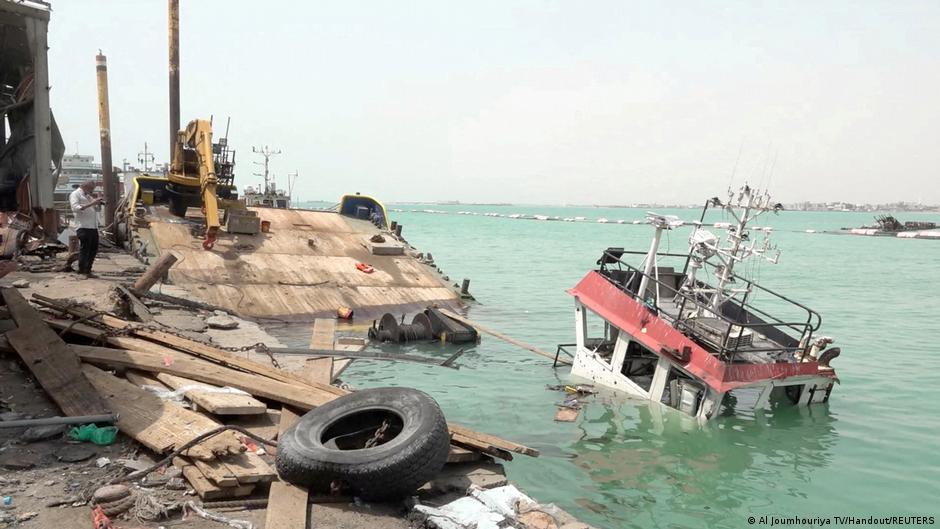
Yemen’s Iran-backed Houthi movement has captured the port city of Mocha on the country’s western coast, tightening its position near the Bab el-Mandeb Strait, the southern gateway to the Red Sea and a route of growing importance for global energy markets.
The development, reported Thursday, September 10, by Reuters citing sources in Yemen’s government, adds a new layer of risk for companies, traders and investors exposed to oil supply chains, shipping costs and Middle East security premiums. The Houthis have continued to seize territory along Yemen’s coastline, and their advance brings them closer to a waterway that has become strategically significant as an alternative trade route during disruptions linked to the blockade of the Strait of Hormuz.
For energy markets, the issue is less about Mocha’s standalone commercial value and more about the potential for control over the Bab el-Mandeb corridor. The strait connects the Red Sea with the Gulf of Aden and is one of the maritime passages that can help offset interruptions in oil supplies when other routes are constrained. If the Houthis were to establish full control over the passage, Tehran could gain an important military advantage, Reuters noted, with possible consequences including reduced energy supplies and a sharp rise in oil prices.
Energy Prices Face a New Geopolitical Input
The latest Houthi advance comes as investors are already pricing the Middle East conflict into earnings forecasts, freight assumptions and balance-sheet risk across energy, industrial and transport companies. Oil producers may benefit from higher prices if supply concerns intensify, but refiners, airlines, logistics groups and manufacturers would face pressure from rising fuel and shipping costs.
Companies with exposure to Red Sea shipping routes may also face higher insurance premiums, rerouting expenses or delays. Those costs can filter into quarterly results through narrower margins, inventory disruptions and higher working-capital needs. For publicly traded companies, investor-relations teams may need to address whether the Bab el-Mandeb risk is reflected in guidance, hedging strategies and contingency planning.
Houthi representatives have said shipping in the Red Sea is safe for all companies except vessels from Saudi Arabia, the world’s largest oil exporter and a participant in the conflict on the side of Yemen’s government.
That statement provides limited reassurance to markets, because investors typically discount political assurances when military control of a chokepoint is contested. Saudi Arabia’s role is particularly important from a financial-reporting perspective: any disruption involving the largest oil exporter can quickly affect benchmark prices, regional risk premiums and revenue assumptions for energy producers and import-dependent economies.
The Houthi advance occurred only hours after U.S. President Donald Trump said he expected the war with Iran to end after the U.S. congressional midterm elections in November 2026. Reuters wrote that if the Houthis retain control of Bab el-Mandeb, the White House would have less room to maneuver in seeking an exit from the conflict. According to Reuters sources, forces aligned with Yemen’s internationally recognized government and their allies are currently being forced to retreat south along the Red Sea coast.
Balance-Sheet Exposure Extends Beyond Oil Producers
The immediate market implication is the risk of higher crude prices, but the accounting impact would be distributed across multiple sectors. Energy importers may see pressure on cash flow as procurement costs rise. Airlines and shipping companies could face fuel-cost volatility and possible impairment of near-term earnings guidance if routes become longer or more expensive. Retailers and industrial manufacturers may encounter higher freight rates, affecting gross margins and inventory valuations.
For banks and insurers, the issue may appear through credit exposure to shipping, commodity trading and regional counterparties. A prolonged disruption could increase counterparty risk and raise the value of collateral tied to energy inventories, while also increasing the cost of marine coverage. Asset managers, meanwhile, may need to reassess Middle East risk across emerging-market debt, energy equities and inflation-sensitive portfolios.
The Bab el-Mandeb Strait has acquired strategic significance since the start of the war involving the United States and Israel against Iran, according to the source article. It is being used as an alternative trade route that partially compensates for oil-supply disruptions caused by the blockade of the Strait of Hormuz. That makes control of the passage a central variable for both military planning and financial forecasting.
The current escalation follows a broader expansion of Houthi military activity in the Middle East. In early September, the group announced a widening of operations and struck four cities in southern Saudi Arabia. More than 70 people were injured in the large-scale shelling, and fires broke out at oil facilities. Saudi Arabia responded with more than 60 airstrikes on several provinces controlled by the Houthis.
Yemen has been engulfed in civil war since 2014, a conflict that has effectively divided the country among three opposing sides. The Iran-backed Houthis control northern and western provinces, including the capital, Sanaa, where about 70% of the population lives. Their latest coastal gains now bring the financial dimension of the conflict into sharper focus: control of territory near a major maritime route can alter the assumptions behind oil-price forecasts, shipping budgets and quarterly risk disclosures.
For investors, the next reporting cycle may test how exposed companies are to Middle East transit risk. Firms with clear disclosures on energy hedging, logistics alternatives and liquidity buffers may be better positioned to manage market scrutiny. Those with thin margins or opaque supply-chain exposure could face tougher questions if Red Sea shipping becomes less predictable and oil prices respond sharply.