ifo Institute Warns of Potential German Recession Amid US Auto Tariff Hike
Rising US import tariffs on EU automobiles threaten German economic growth and may trigger a recession by 2026, says Munich's ifo Institute.
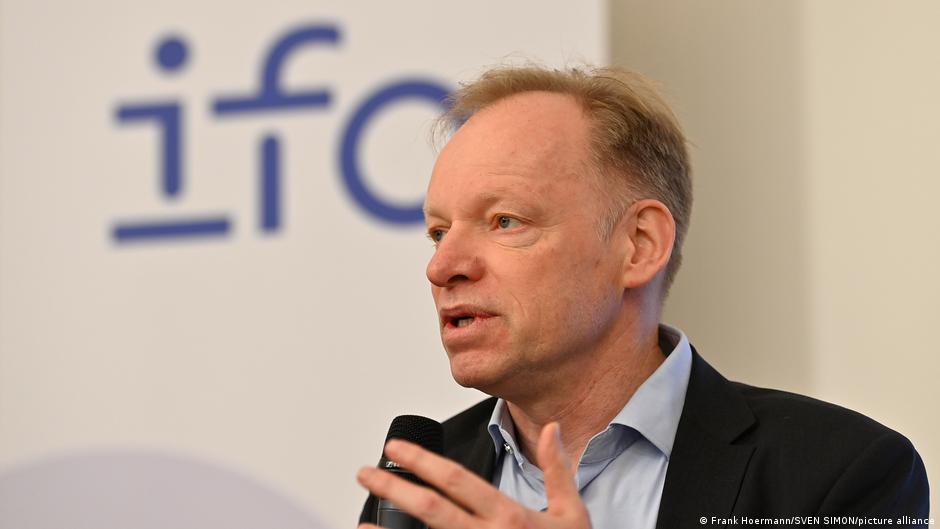
The Munich-based ifo Institute has issued a stark warning regarding the potential negative impact on Germany's economic growth following the United States’ announcement of increased import tariffs on European Union automobiles. The institute cautions that if the EU retaliates with its own tariffs on American goods, Germany could face a recession as early as 2026.
Impact of US Tariff Increase on German Industry
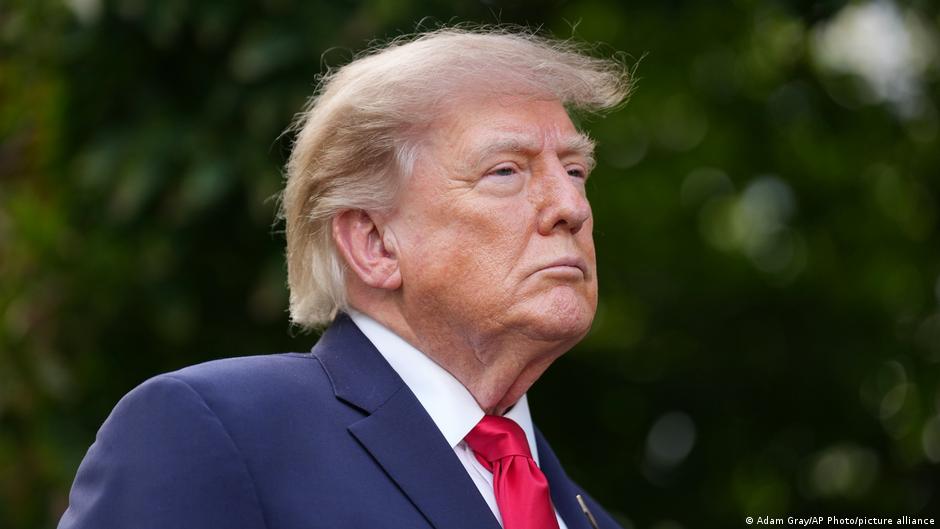
On May 1, 2024, US President Donald Trump declared a significant increase in import duties—up to 25%—on passenger and commercial vehicles imported from the European Union. This move targets the German automotive sector, which represents a substantial portion of EU automobile exports. Clemens Fuest, President of the ifo Institute, described the tariff hike as a major blow to an already challenged German auto industry, emphasizing that this development worsens an existing difficult economic situation.
"If this escalates into a new trade war, Germany faces the risk of recession in 2026," Fuest stated in an interview.
Ferdinand Dudenhöffer, a noted German automotive analyst, characterized the tariff increase as the beginning of an economic war against Germany, highlighting the threat posed by the planned 25% tariff hikes on EU vehicles.
Jens Südekum, advisor to Germany’s Finance Minister Lars Klingbeil, advised the European Union to exercise prudence and hold off on implementing retaliatory tariffs until the US tariffs are firmly in place. He emphasized the necessity for measured response in order to avoid exacerbating the situation.
Background of the Trade Dispute
The tariff hike stems from longstanding trade tensions, with President Trump accusing the EU of violating previously agreed trade terms. The comprehensive deal reached in September 2023 aimed to reduce tariffs on European vehicle exports to the US retroactively from 27.5% to 15%. In return, the EU committed to removing tariffs on American industrial products and opening its market to a broad array of US goods, including seafood, dairy, pork, and soybean oil.
Trump has repeatedly pointed to the EU’s significant goods trade surplus with the US, arguing that this imbalance is unfair. Brussels disputes this claim by emphasizing the US’s dominant position in the services sector, where it enjoys a strong competitive advantage.
The upcoming implementation of the 25% tariff increase is set to begin next week and excludes vehicles manufactured in the US, mitigating some impact on American factories but intensifying pressure on German exporters.
Political Context and Economic Outlook
The tariff announcement coincided with heightened political tensions between Washington and Berlin. Recently, President Trump sharply criticized German Chancellor Friedrich Merz, urging him to focus on resolving the war in Ukraine rather than interfering in US-Iran relations. Trump also accused Germany of domestic instability, suggesting a need for internal reforms.
Merz had previously condemned Trump’s lack of clear strategy in the US-Israel-Iran conflict and called for an end to hostilities due to their detrimental effects on the German economy.
The ifo Institute’s warning underscores the fragility of Germany’s economic outlook amid escalating trade conflicts. The automotive sector, a cornerstone of German exports and employment, faces significant uncertainty. Investors and market analysts will be closely monitoring further developments in US-EU trade relations, as well as Germany’s broader economic indicators, including GDP growth rates, export volumes, and industrial production metrics.