Iran Submits 14-Point Peace Plan to U.S. Amid Ongoing Middle East Conflict
Tehran outlines comprehensive terms for conflict resolution while Washington expresses skepticism, impacting geopolitical stability and economic sanctions.
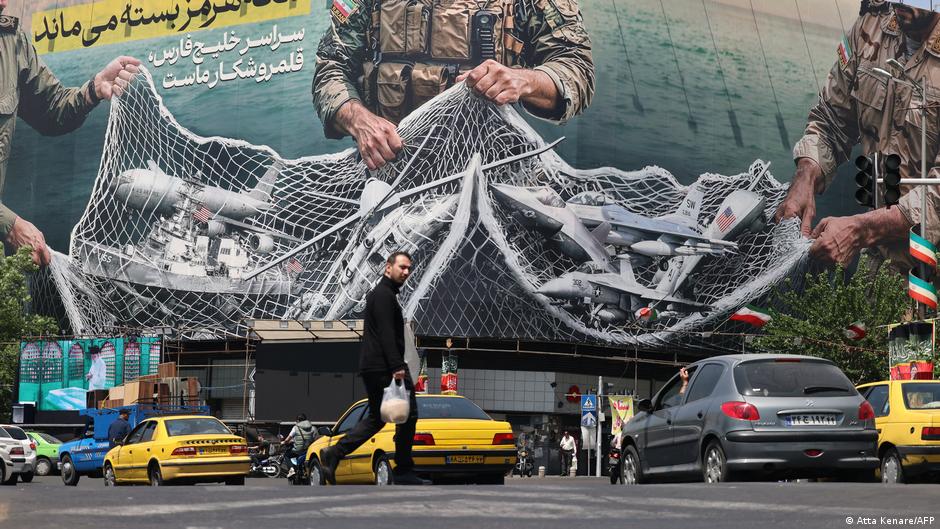
Iran has submitted a detailed 14-point peace plan to the United States outlining its key conditions for ending the ongoing military conflict in the Middle East. The plan represents Tehran's response to a previous U.S. proposal consisting of nine points and awaits an official reaction from Washington.
Key Provisions and U.S. Response
The Iranian plan calls for guarantees from the U.S. against further attacks, the complete withdrawal of American troops from border regions, lifting of the naval blockade, and unfreezing of Iranian assets currently blocked by sanctions. Additionally, Tehran demands reparations for damages caused by the conflict, the cessation of all hostilities in the region—including Israeli strikes on Lebanon—and the establishment of a new operational framework for the strategically critical Strait of Hormuz.
"The focus should be not on extending a ceasefire but on ending the war," the Iranian proposals emphasize, signaling a shift from temporary truces to a comprehensive peace agreement.
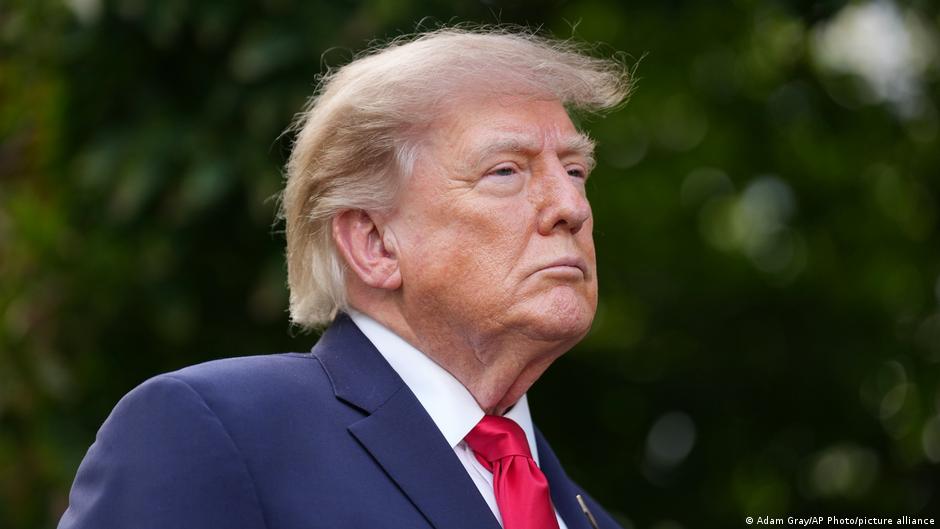
U.S. President Donald Trump acknowledged receipt of the new proposal but expressed doubts about its acceptability. He stated that Iran has not "paid a high enough price" for its actions over the last 47 years and indicated skepticism that the plan would be satisfactory.
This diplomatic exchange follows the outbreak of hostilities on February 28, 2026, initiated by U.S. and Israeli strikes on Iranian territory. Iran retaliated with attacks targeting Israel, Gulf states, and U.S. installations in the region. Although a ceasefire came into effect in early April, peace negotiations have stalled, and strategic chokepoints such as the Strait of Hormuz remain effectively blocked by Iranian forces. Simultaneously, the U.S. continues a maritime blockade of Iranian ports.
Implications for Investor Relations and Economic Stability
From a financial perspective, the ongoing conflict and resulting sanctions significantly impact Iran's economy, particularly its critical oil exports. The U.S. administration is reportedly preparing for a prolonged maritime blockade designed to tighten economic pressure by restricting Iran's ability to export oil, a major source of government revenue.
The uncertainty surrounding peace negotiations and regional hostilities creates volatility for investors monitoring Middle Eastern markets, energy security, and global oil supply chains. The unresolved blockade of the Strait of Hormuz—a key maritime passage for global oil transportation—poses risks to energy prices and international trade flows.
President Trump notified the U.S. Congress on May 1 that military actions initiated in February have formally ceased, adhering to the War Powers Resolution's timelines. Yet, the president emphasized that despite operational successes, Iran remains a significant threat, suggesting the potential for extended economic and military measures.
Investor relations strategies for companies with exposure to Middle Eastern markets must account for ongoing geopolitical risks, potential sanctions escalations, and shifts in trade policies. Clarity on the peace process will be critical for assessing future financial stability in the region.
As the situation develops, financial analysts and corporate decision-makers should closely follow official responses to Iran's peace plan and any subsequent shifts in U.S. military or economic policies.