US to Significantly Reduce Military Presence in Germany, Impacting Defense Spending and Asset Allocation
President Trump announces plans to cut US troop numbers in Germany by far more than 5,000, affecting military budget and overseas deployments.
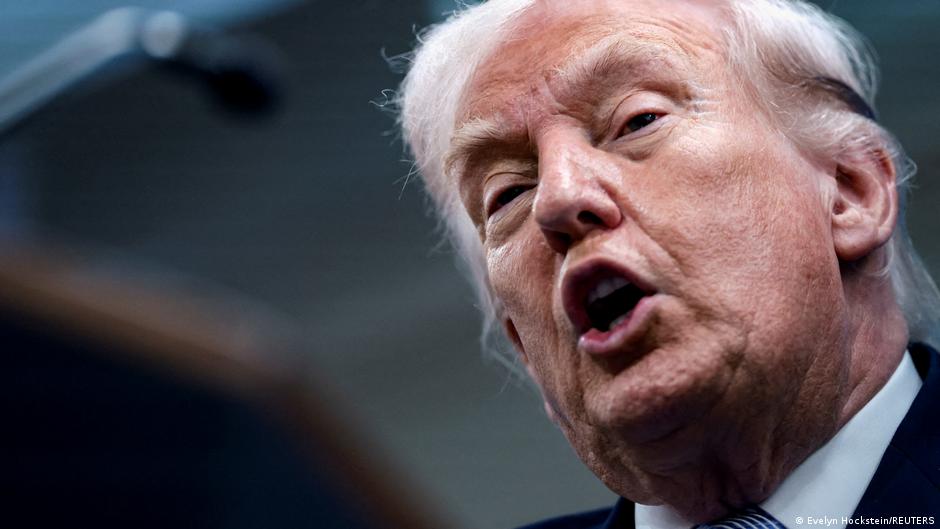
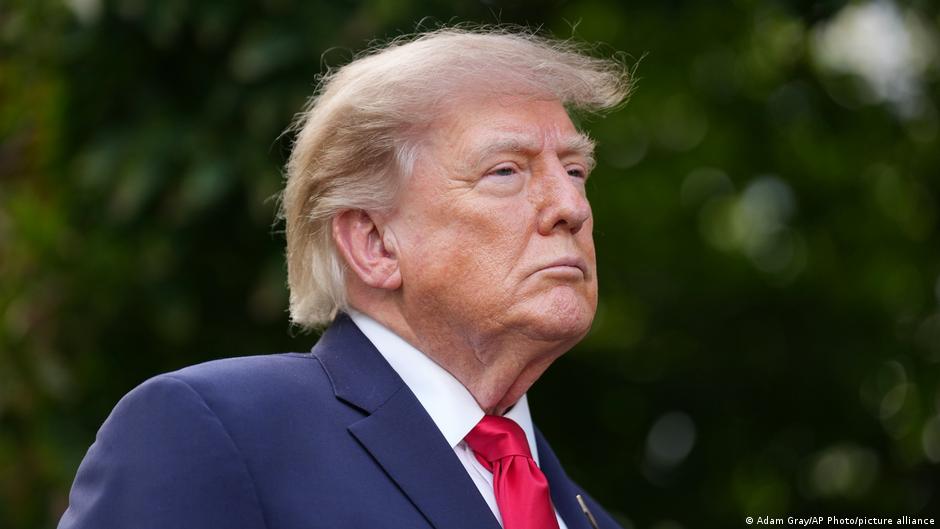
In a recent statement, US President Donald Trump declared that the United States will significantly reduce its military presence in Germany, surpassing earlier announced troop withdrawals. This announcement marks a substantial shift in US defense strategy and has implications for military spending and asset reallocation.
Details of Troop Reductions and Financial Implications
The US Department of Defense had previously ordered the withdrawal of approximately 5,000 soldiers from Germany, representing about one-seventh of the total US military personnel stationed in the country. However, President Trump indicated that the reduction will be considerably larger, stating, "We will reduce the number by far more than 5,000 American soldiers." This move is expected to influence the Pentagon's budget allocations and operational costs tied to overseas deployments.
According to Department of Defense data, as of December 2025, around 68,000 US military personnel were stationed at European bases, with more than half—approximately 36,400—deployed in Germany. The US maintains about 20 military installations primarily in southern and southwestern Germany. Historically, troop levels have been significantly higher; in 1985, before the end of the Cold War, there were about 250,000 US soldiers stationed in Germany.
Sean Parnell, Pentagon spokesperson, confirmed that the withdrawal is planned to be completed within six to twelve months following "a careful review of the Department of Defense’s troop presence in Europe." The exact financial impact on defense budgets and capital expenditures will depend on the scale of the reduction and subsequent redistribution of military assets.
"We will reduce the number by far more than 5,000 American soldiers," said President Trump, highlighting the scale of upcoming military adjustments.
Strategic and Investor Relations Considerations
The announcement comes amid escalating tensions and dissatisfaction between the US and some European allies. Trump criticized Italy and Spain for their perceived lack of support in US-Israeli efforts against Iran, suggesting potential troop withdrawals from these countries as well. NATO spokesperson Allison Hart emphasized ongoing cooperation with the US to understand the implications of these changes, reaffirming the alliance's commitment to collective defense.
From a financial reporting perspective, the reduction of US forces in Germany and potentially other European countries will necessitate updates in defense contractors’ forecasts, asset management strategies, and investor communications. Companies and stakeholders closely monitoring the US defense budget and overseas military expenditures should anticipate adjustments reflecting lower operational costs in Europe but possibly increased spending in other regions or modernization efforts.
Moreover, this move underscores the complexity of balancing geopolitical strategy with fiscal responsibilities, especially as Congress has imposed limits on the executive branch's ability to unilaterally alter troop deployments. The evolving situation will continue to influence US defense policy and financial metrics reported in upcoming quarterly and annual statements.