Iran Implements New Vessel Information Declaration for Strait of Hormuz Transit
Iran mandates comprehensive vessel data submission for tanker passage through the Strait of Hormuz, signaling potential regulatory and financial impacts on maritime operators.
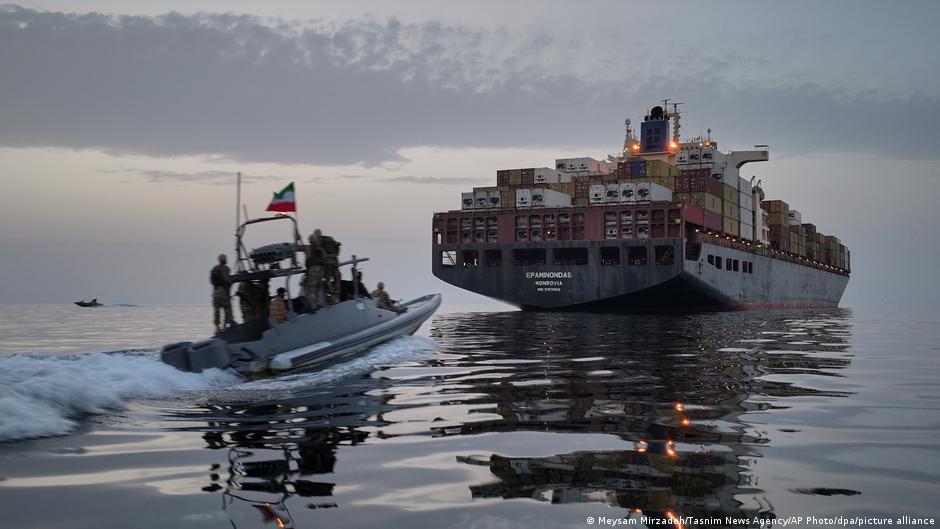
Iran has introduced a new regulatory framework requiring shipping companies to submit a detailed "Vessel Information Declaration" before their tankers transit the Strait of Hormuz. The directive, issued by the Iranian Persian Gulf Strait Administration (PGSA), includes over 40 specific questions about each vessel, its cargo, and its crew.
Detailed Requirements and Compliance Risks
The declaration mandates disclosure of the vessel's name, identification number, previous names, country of origin, and destination port. Additionally, shipowners must provide detailed data about the nationality of owners, operators, and crew members. A comprehensive inventory of the cargo onboard is also required. All this information must be submitted electronically to the PGSA prior to passage.
"The applicant bears full responsibility for the accuracy and completeness of the submitted information, including any consequences arising from misinformation," states the Iranian directive.
This rigorous compliance requirement could impact shipping schedules and operational costs, especially for companies unfamiliar with the increased bureaucratic oversight.
Potential Financial Implications and U.S. Sanctions Concerns
While the current directive does not explicitly state fees for passage, previous Iranian proposals have suggested that transit tolls through the Strait could generate significant revenue, potentially used for post-conflict reconstruction efforts. Reports indicate that fees might reach up to two million dollars per vessel.
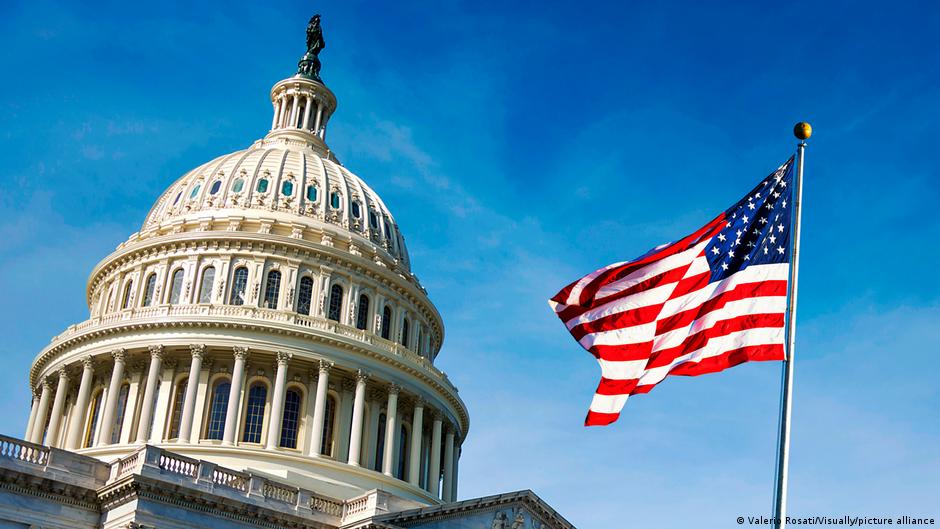
However, U.S. authorities have clarified that any such payments made to the Iranian government or the Islamic Revolutionary Guard Corps (IRGC) are prohibited for U.S. persons, including American financial institutions and U.S.-controlled foreign entities. This restriction complicates compliance for American companies and raises compliance risks.
Context of Military and Diplomatic Tensions
These regulatory measures coincide with heightened military vigilance in the region. On May 4, the U.S. launched "Operation Project Liberty," deploying naval forces to escort commercial vessels through the Strait of Hormuz. U.S. President Donald Trump issued warnings of retaliatory action against Iranian attacks on American ships, emphasizing a defensive posture to avoid escalation unless provoked.
Subsequently, on May 6, President Trump announced a temporary pause in the operation to explore diplomatic solutions, following requests from Pakistan and other countries.
The new declaration and potential imposition of passage fees represent both a regulatory hurdle and a financial consideration for shipping companies operating in one of the world’s most strategic maritime chokepoints. Investors and maritime stakeholders should monitor these developments closely, as they could affect cost structures and risk profiles for vessels transiting the Strait of Hormuz.