US Delays EU Auto Tariff Increase to July 4 Amid Trade Agreement Negotiations
President Trump postpones raising tariffs on European car imports until July 4, contingent on EU compliance with trade deal terms.
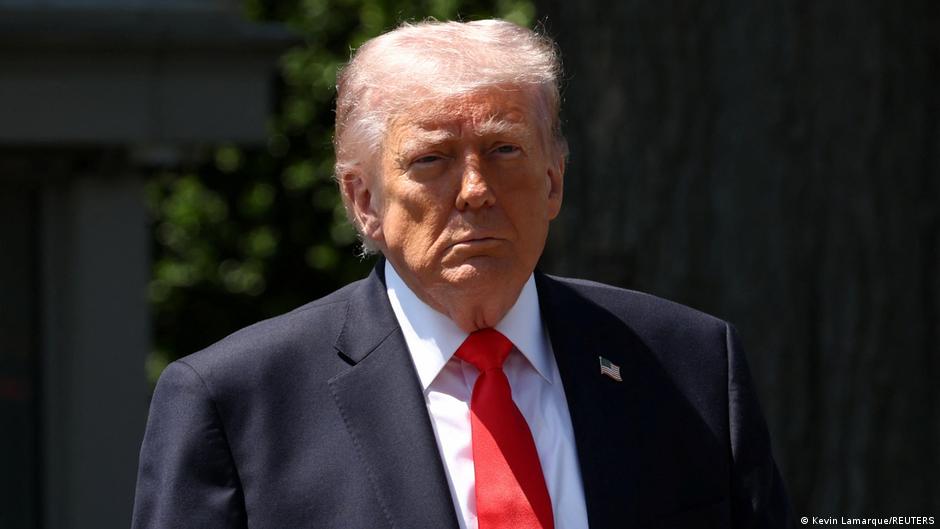
President Donald Trump has announced a delay in the planned increase of tariffs on automobiles imported from the European Union (EU) until July 4. The postponement follows what he described as a "remarkable phone conversation" with European Commission President Ursula von der Leyen.
Trump stated that he has been patiently awaiting the EU's fulfillment of its obligations under a historic trade agreement signed in Turnberry, Scotland. The agreement, touted as the largest in history, included commitments from the EU to reduce tariffs on American goods to zero.
"I agreed to give them time until the 250th anniversary of our country, otherwise, unfortunately, their tariffs will immediately jump to a much higher level," Trump said on his social media platform, Truth Social.
Trade Agreement Compliance and Tariff Implications
Von der Leyen also described the phone call as "very good," emphasizing that both the US and the EU remain fully committed to implementing the trade agreement. She noted, "Good progress has been made toward tariff reductions by early July." This development offers a window for continued negotiations to avoid an escalation of trade barriers.
Earlier, on May 1, President Trump had announced a plan to raise customs duties on passenger and commercial vehicles imported from the EU to 25%. He framed the measure as a response to the EU's failure to comply with the fully agreed trade terms. "Next week I will raise tariffs on passenger and commercial vehicles imported from the European Union to 25%," the president had said, signaling a more protectionist stance.
In response, von der Leyen appealed for adherence to the agreement on May 5, stating, "A deal is a deal," and reaffirming the EU's readiness to address all scenarios.
The trade agreement, concluded in September 2025, outlines a retroactive reduction of tariffs on European automobile exports from 27.5% to 15%. In return, the EU committed to eliminating tariffs on all American industrial goods and opening its market to a broad range of US products, including seafood, dairy, pork, and soybean oil.
Despite these terms, the specific clauses that President Trump cited to accuse the EU of noncompliance remain unclear. The situation highlights ongoing tensions and uncertainties in transatlantic trade relations that may impact investor confidence and market dynamics.