Israel Conducts Airstrikes on Iran Amid Escalating Regional Tensions
Israel's military retaliates against Iran following missile attacks, while U.S. signals intent for a peace agreement contingent on nuclear commitments.
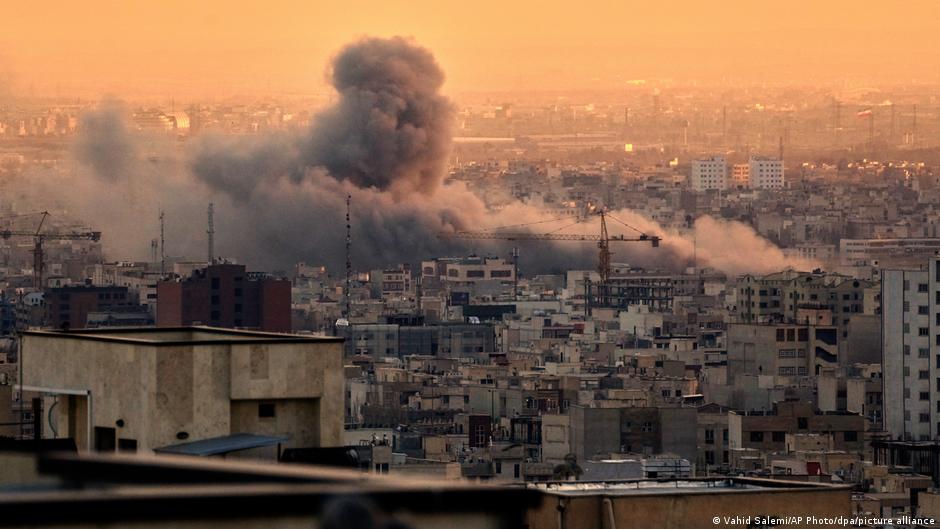
Israel's Air Force carried out airstrikes on targets in western and central Iran in response to recent missile attacks launched by the Islamic Republic against Israeli territory. The Israel Defense Forces (IDF) announced the retaliatory operation early on Monday, June 8, without specifying the exact locations targeted.
The previous evening, Israeli authorities reported missile strikes originating from Iran. In response to the heightened threat level, the population was urged to seek shelter in protected areas, and all schools across Israel canceled classes as precautionary measures.
Escalation Amid U.S. Diplomatic Efforts
The Iranian government described the Israeli attack as a "warning" following Israel’s earlier strike on a Hezbollah radical Shiite movement facility in Lebanon on the same day. Israeli Prime Minister Benjamin Netanyahu and Defense Minister Israel Katz stated that the IDF targeted "terrorist headquarters" in Beirut.
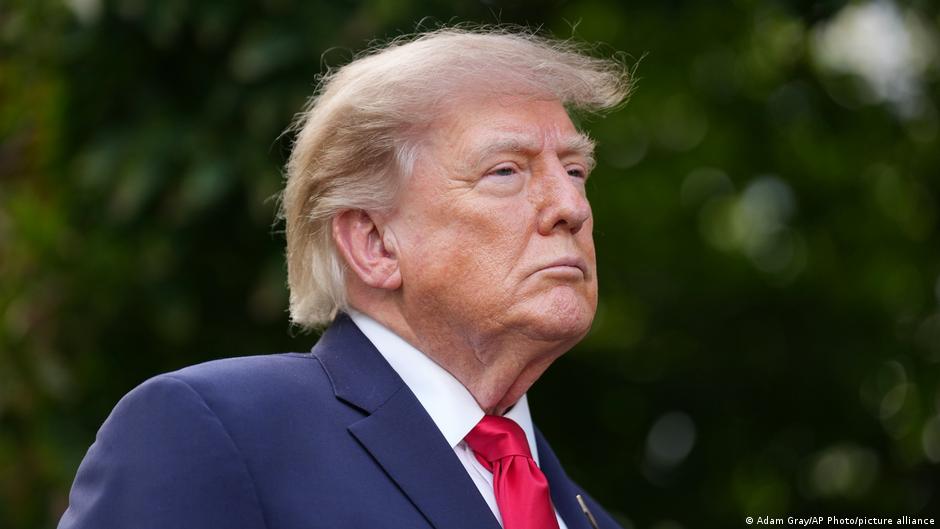
This exchange of hostilities occurs amid ongoing diplomatic developments involving the United States. U.S. President Donald Trump recently reiterated his commitment to achieving a peace agreement with Tehran, although key conditions remain unsettled.
"All decisions are mine. Netanyahu does not make the decisions," Trump said in a June 7 interview with the Financial Times, emphasizing Washington's leading role in any prospective deal.
Reports from the media portal Axios in late May indicated that preliminary framework agreements between U.S. and Iranian negotiators had been reached to resolve the military conflict that has persisted since late February. Nevertheless, Trump has yet to endorse a final accord, insisting that Iran must abandon its nuclear weapons ambitions as a fundamental prerequisite.
The Iranian leadership has also declared that no final agreement with the United States to end the hostilities has been completed.
From a financial reporting perspective, the ongoing conflict and diplomatic uncertainty could have far-reaching implications for investor confidence and market stability in the region. Defense expenditures, risk assessments regarding geopolitical instability, and potential disruptions to trade routes remain critical factors for stakeholders monitoring the balance sheets of companies operating in or linked to Middle Eastern markets.