Lukashenko Orders Belarus Army Checks With Mobilization Readiness in Scope
The Belarusian leader said all armed forces would be inspected, raising fresh questions over defense spending priorities and regional risk exposure.
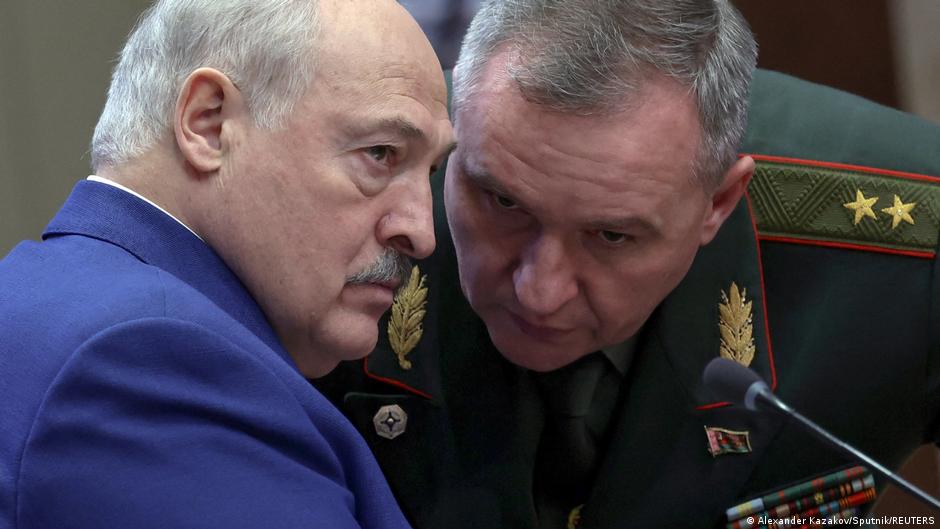
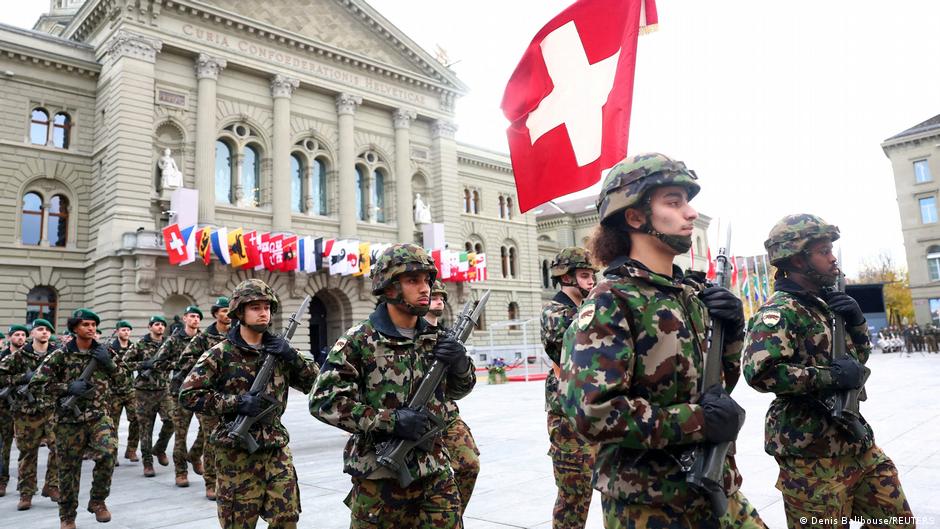
Belarusian leader Alexander Lukashenko has announced that inspections of the country’s armed forces will continue and may extend as far as checks of mobilization readiness, a move that adds a defense and geopolitical risk dimension to the country’s public-sector planning and regional economic outlook.
Speaking to journalists on Friday, September 11, at the Obuz-Lesnovsky combined-arms training ground in the Brest region, Lukashenko said it was time to “shake up” the entire army. His remarks, cited by the state news agency BelTA, indicate that the checks are not limited to individual units but are intended to cover the whole military structure.
“We are preparing for war so that there is no war,” Lukashenko said.
For investors, creditors and companies monitoring Belarus and neighboring markets, the comments point to continued emphasis on military readiness at a time when security policy remains closely tied to the war in Ukraine and to Russia’s regional posture. Although no budget figures, procurement plans or financing details were disclosed in the remarks, the scale described by Lukashenko suggests sustained pressure on administrative capacity, personnel planning and state resources.
Military Readiness Becomes a Fiscal Signal
Lukashenko said he had already used a colloquial formulation that the army needed to be shaken up, adding that “the time has come” and that the entire army would be checked. “Everyone will be checked. Up to mobilization,” he said.
According to his account, inspections have already taken place in tank and motorized rifle units, while checks are now under way in an artillery brigade. He said all of the armed forces would be inspected and that training should be conducted under conditions resembling combat.
“Everything must be as in battle. This is how our troops must be trained,” Lukashenko said, linking the approach to what he called the lessons of the “special military operation,” the term used by Russian authorities for the war in Ukraine. He added that Belarus would “shake up” all of its armed forces.
From a financial reporting perspective, the remarks are notable because they describe a broad operational review of a state institution that is likely to remain a major budget priority. Belarus does not appear in the source material to have announced new expenditure targets, debt measures or line-item reallocations connected to the inspections. Still, mobilization readiness is inherently tied to personnel systems, logistics, equipment maintenance and command structures, all of which can carry fiscal implications even when specific numbers are not provided.
The comments also reinforce the relevance of defense-related risk disclosures for businesses with exposure to Belarus, Ukraine, Russia or adjacent transport and supply chains. Companies and lenders assessing the region may treat such statements as part of the broader operating environment rather than as a standalone financial event.
Lukashenko Says His Son Is Serving
Lukashenko separately said that his youngest son, 22-year-old Nikolai, is serving in the army. Nikolai received a diploma this summer through a joint biotechnology program of Peking University and Belarusian State University.
According to Lukashenko, the service was not publicly known. He said Defense Minister Viktor Khrenin had called Nikolai up and that he was serving “as he should, like everyone else.” Lukashenko described him as a lieutenant and said he would not disclose the location, adding only that Nikolai was in “the most difficult unit.” He also said that Nikolai continues to study biotechnology in his free time.
The personal reference served to underline the political messaging around the inspections: military service and readiness are being framed domestically as a general obligation rather than a narrowly professional matter. For external observers, it also places the armed forces at the center of the country’s current policy narrative, with potential implications for how state priorities are read by analysts and counterparties.
Ukraine Links Belarus Activity to Russian War Effort
The latest remarks come against a backdrop of repeated warnings from Ukraine about Belarusian activity near the border. In spring 2025, Ukrainian President Volodymyr Zelensky said Belarus had begun building roads and preparing artillery positions near the frontier with Ukraine.
Zelensky said at the time that Ukraine believed Russia would once again try to draw Belarus into its war. He linked Belarus’s actions to a regrouping of Russian troops that, according to the Ukrainian president, Russia’s military command was carrying out to compensate for a shortage of personnel.
At the beginning of the summer, Zelensky also said Lukashenko had one week to remove relay devices for drones from two Belarusian regions bordering Ukraine. According to Zelensky, those devices were being used to help guide Russian unmanned aerial vehicle strikes against Ukraine. “If he does not do it, we will,” Zelensky said at the time. A few days later, the Ukrainian president said the relay devices were no longer working.
Those statements provide the immediate regional context for Lukashenko’s latest comments on readiness. Belarus has not been described in the source material as announcing a direct entry into the war, and Lukashenko’s formulation presented preparation as a way to avoid war. Nevertheless, the references to mobilization checks and combat-style training are likely to be watched closely by governments, companies and financial institutions assessing country risk.
For financial stakeholders, the key point is not a disclosed earnings impact or an announced change in fiscal accounts, but a continuing signal about state priorities. The military inspections, the emphasis on mobilization readiness and the Ukrainian warnings together place defense preparedness among the central variables shaping Belarus’s policy outlook.
In practical terms, that means regional risk assessments may continue to factor in the possibility of higher security-related demands on the Belarusian state, further uncertainty for cross-border trade and transport, and a political environment in which military planning remains prominent. Without new financial data, those effects cannot be quantified from the available information. But the direction of official rhetoric is clear: Minsk is presenting a wider military review as both necessary preparation and a deterrent.