Macron Says Possible Russian Mobilization Raises Risks for European Assets
France views a potential Russian mobilization of about 300,000 people as credible while warning investors and governments of rising hybrid threats.
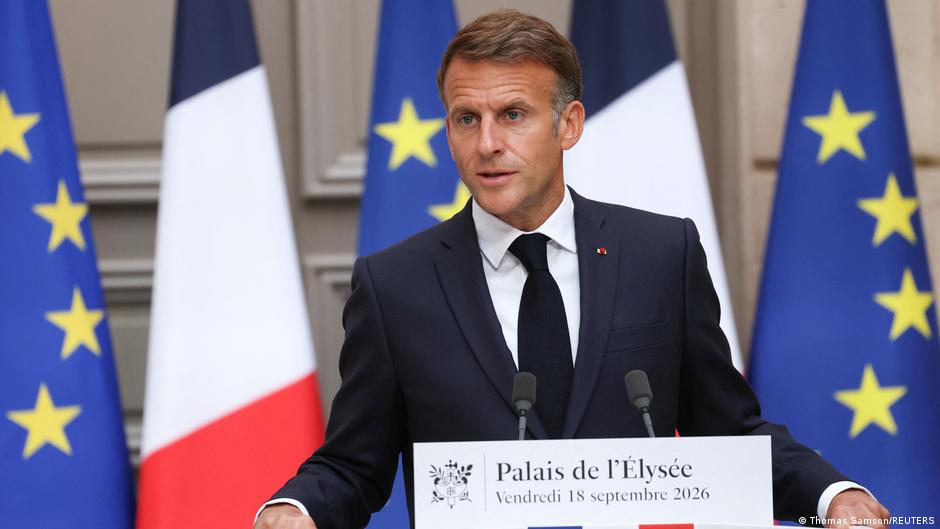
French President Emmanuel Macron said France considers it credible that Moscow could mobilize roughly 300,000 people, a scenario that would add a further layer of geopolitical risk for European governments, companies and investors already assessing the costs of a prolonged war in Ukraine.
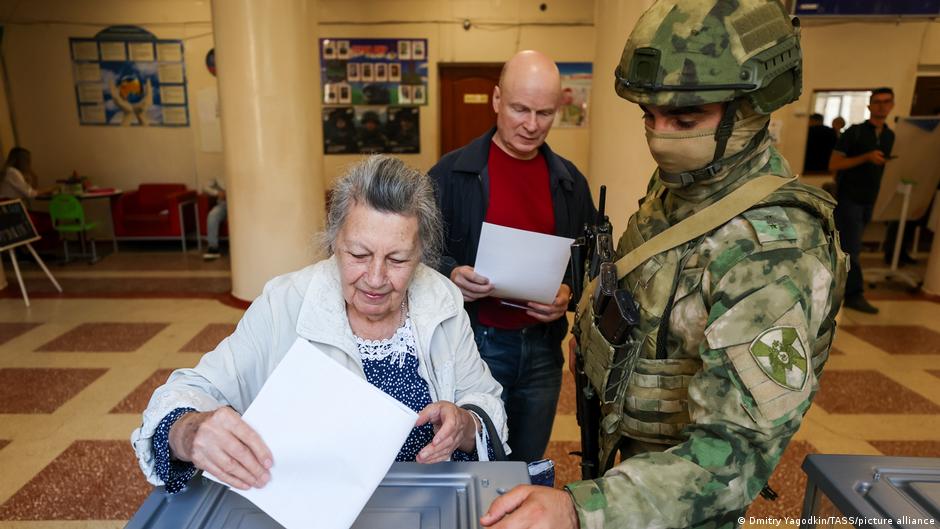
Speaking on Thursday, September 24, on TF1 and France 2, Macron said Russian authorities had waited for their elections, held from September 18 to 20 for the State Duma, before moving toward such a step. He said it was now clear, in France’s assessment, that Russia would proceed, although he added that it remained uncertain whether there would be a public announcement or whether any mobilization would be carried out covertly.
“This is a scenario that seems credible to us,” Macron said, referring to intelligence assessments from the United States, Europe and Ukraine.
The comments are significant for financial markets because any renewed mobilization could affect expectations for the duration and intensity of the conflict, the trajectory of defense and security spending in Europe, and the risk premium attached to energy, infrastructure and technology assets exposed to cyber and hybrid threats. Macron did not present any financial estimates, but his remarks pointed to a security environment in which companies and public authorities may face greater pressure to allocate capital toward resilience, infrastructure protection and operational continuity.
Security Risk Becomes a Balance Sheet Issue
Macron said there had been “several signs” indicating that Russia was preparing for such a move. While his remarks were political and security-focused, the implications extend into financial reporting and investor relations. For listed European companies, heightened geopolitical tension can affect disclosures around business continuity, supply chain exposure, insurance coverage, cybersecurity spending and critical infrastructure dependencies.
The French president also warned that “hostile actions across Europe have increased” in recent weeks. He said he had convened representatives of political forces the previous week to warn them about the evolution of the threat and its consequences for France. For investors, that warning underscores a broader shift: hybrid threats are no longer only a national security topic but also a material risk category for companies whose operations depend on digital systems, transport networks, energy assets or public infrastructure.
According to Macron, Russia sees Europe as “Ukraine’s strategic rear” because European countries are helping Kyiv. He also linked Moscow’s view of Europe to Ukraine’s strikes on oil refineries and facilities in Russia, which he said are intended to force Russia to end the war. On that basis, he said Europe could become a target.
Macron identified information operations, including the spread of falsehoods, and cyber activity as areas where attacks are taking place. For corporate finance teams, the operational significance is clear: cybersecurity incidents and disinformation campaigns can create direct costs, require emergency investment, disrupt services and, in some cases, trigger disclosure obligations. They can also complicate quarterly guidance if management teams face uncertain exposure to outages, data breaches or infrastructure disruption.
Critical Infrastructure in Focus
Macron’s latest remarks follow comments he made on September 18, when he said France was preparing a plan to protect critical infrastructure amid the growing threat of hybrid attacks from Russia. That earlier statement placed infrastructure security at the center of France’s response and is likely to be watched by investors in sectors such as energy, telecommunications, transport, banking and industrial services.
Any government plan to strengthen critical infrastructure protection can have several financial reporting implications. Companies may need to accelerate technology upgrades, review cyber defenses, reassess supplier resilience or cooperate more closely with public agencies. While Macron did not announce cost figures or funding mechanisms in the remarks cited, the policy direction points toward a more security-intensive operating environment.
The threat landscape described by European officials has widened. Previously, Russia was accused of interfering in elections and using migrants as an instrument of pressure against Europe. Now, European intelligence services suspect a Russian role in acts of sabotage, arson, attacks on critical infrastructure and violations of airspace.
Sources cited in the original report said many incidents, particularly cyberattacks and hacking cases, are not disclosed publicly. As a result, they said the scale of Russia’s hybrid attacks is significantly larger than what is visible through public reporting. For market participants, that lack of full public disclosure can make risk assessment more difficult, especially when evaluating companies with sensitive infrastructure, government contracts or cross-border operations.
Macron’s statements do not themselves confirm a formal Russian mobilization order, nor do they provide financial forecasts. But they add to the information investors must weigh when assessing European exposure to the war in Ukraine. A possible mobilization of about 300,000 people, combined with warnings about cyber, information and infrastructure threats, suggests that geopolitical risk may remain a central factor in corporate planning, quarterly commentary and capital allocation decisions across Europe.