Macron, Trump Discuss Ukraine Infrastructure Protection Push in New York
France and the United States are seeking a moratorium on strikes against Ukraine’s energy and civilian infrastructure while backing stronger air defenses.
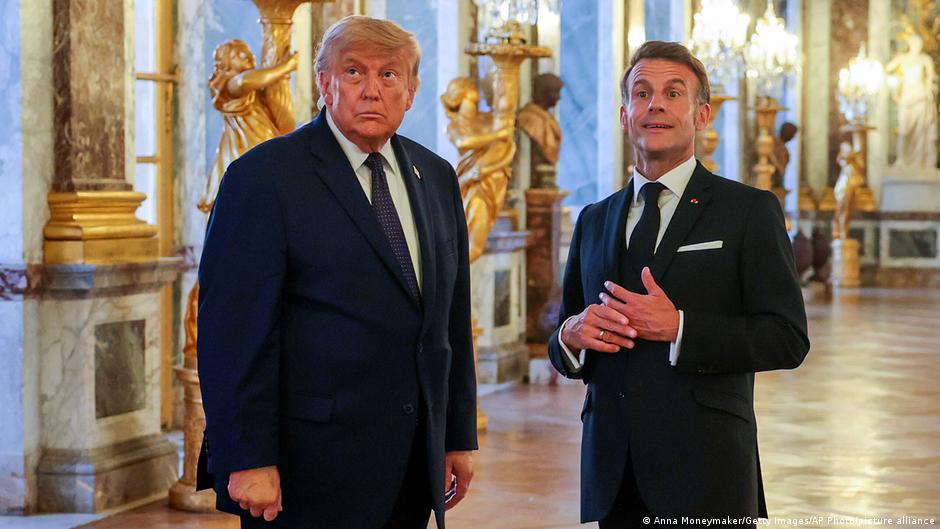
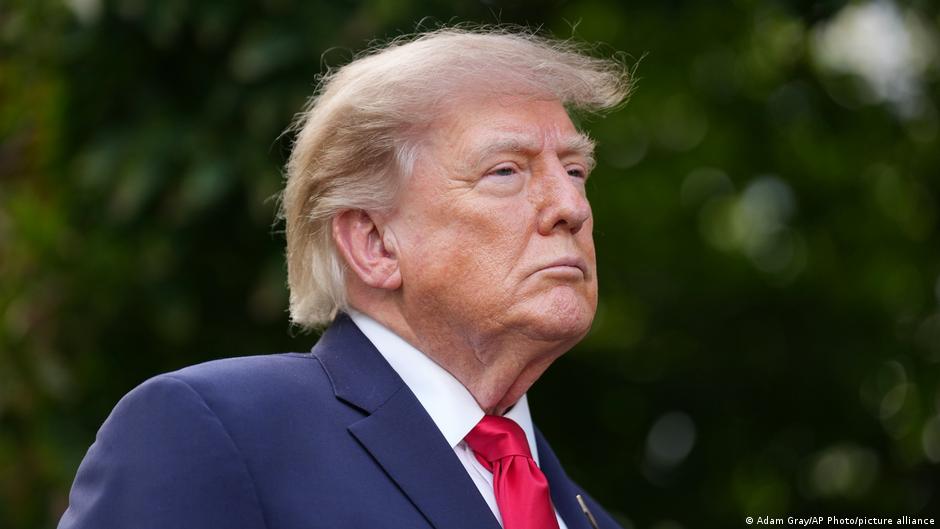
French President Emmanuel Macron said he had discussed with U.S. President Donald Trump a joint effort to secure a moratorium on strikes against Ukraine’s energy and civilian infrastructure, placing the protection of key assets at the center of diplomacy around Russia’s war against Ukraine.
The discussion, held in New York, comes as governments weigh the direct security needs of Ukraine alongside the financial and economic burden created by repeated attacks on power facilities and civilian systems. For Kyiv, damage to energy infrastructure has implications that extend beyond the battlefield: it affects public services, reconstruction costs, winter preparedness, and the fiscal pressure on a government already dependent on external support.
Macron wrote on X on Monday, September 21, that France and the United States would combine their efforts to push for a halt to attacks on Ukraine’s energy and civilian infrastructure. He linked the initiative to the need to protect civilians and to begin serious negotiations on the conditions for peace between Russia and Ukraine as soon as possible.
“The civilian population must be protected, and we must begin serious negotiations as soon as possible on the conditions for peace between Russia and Ukraine,” Macron said.
Air Defense Seen as Infrastructure Protection Measure
Speaking to journalists after his meeting with Trump, Macron said the two leaders agreed on the need to help Ukraine strengthen its defense capabilities. According to the French president, this includes supplying Kyiv with additional interceptor missiles to defend against Russian air attacks.
For investors and policymakers tracking Ukraine’s financial outlook, air defense has become closely tied to infrastructure resilience. Each successful strike on energy facilities can raise repair bills, disrupt industrial activity, weaken municipal services, and force additional budget allocations. The prospect of additional interceptor supplies therefore carries significance not only for military planning but also for the stability of Ukraine’s public finances and reconstruction timetable.
The proposed moratorium would target attacks on energy facilities and civilian infrastructure. While no implementation mechanism was detailed in the source account, the initiative reflects a broader effort by Ukraine’s partners to reduce the destruction of assets that are central to economic continuity. Energy infrastructure is among the most financially sensitive categories of wartime damage because its loss can ripple across households, businesses, transport, hospitals, and local government operations.
Macron’s comments also signal that Western leaders are trying to connect immediate protection measures with a longer-term diplomatic track. The French leader said civilians must be protected and serious talks on peace terms should begin as soon as possible. That framing matters for financial reporting because any credible path toward reduced attacks could influence assumptions about reconstruction financing, sovereign risk, and donor commitments.
New York Meetings Add Diplomatic Momentum
According to the DW correspondent cited in the source, a bilateral meeting between Macron and Ukrainian President Volodymyr Zelensky also began in New York on the evening of September 21. The meeting added another layer to a week of high-level diplomacy focused on Ukraine, Russia, sanctions, and international support.
Before that, Zelensky met with U.S. lawmakers and thanked them for passing the law associated in the source with the late Senator Lindsey Graham on “hellish sanctions” against Russia. The Ukrainian president said he wanted the sanctions to start working.
Sanctions policy remains one of the main financial levers available to Ukraine’s partners. For Kyiv, stronger sanctions against Russia are intended to raise the economic cost of the war for Moscow while supporting Ukraine’s negotiating position. For companies, lenders, and compliance teams, any new sanctions framework can also alter risk screening, trade exposure, financing channels, and cross-border transaction controls.
The reference to sanctions alongside infrastructure protection highlights the two-track nature of the current diplomatic push. One track seeks to limit physical damage to Ukraine’s civilian and energy systems. The other seeks to increase economic pressure on Russia. Together, these measures are aimed at shaping both the financial costs of continuing the war and the conditions under which negotiations might begin.
The meetings are taking place around the 81st session of the United Nations General Assembly in New York, scheduled for September 22 through September 26. Nearly 130 world leaders are expected to attend. Zelensky is also expected to meet Trump on September 22, according to the source.
For Ukraine, the UN gathering offers an opportunity to reinforce support among allies at a time when the country’s defense needs and financial needs remain closely linked. Additional air defense supplies can reduce the probability of major infrastructure losses, while sanctions and diplomatic coordination can affect the wider economic environment in which Ukraine seeks aid, investment, and reconstruction backing.
No financial figures were disclosed in the source account, and no specific number of interceptor missiles was identified. Still, the emphasis on energy infrastructure protection makes the Macron-Trump discussion relevant to fiscal planning and investor risk analysis. Ukraine’s balance sheet exposure to the war is not limited to direct military spending; it also includes the repair, replacement, and protection of civilian assets essential to economic functioning.
The coming meetings in New York are expected to show whether the initiative can move beyond public alignment toward concrete commitments. For now, Macron’s statement indicates that France and the United States are presenting infrastructure protection, air defense reinforcement, sanctions pressure, and peace negotiations as connected elements of the same diplomatic and financial equation.