Merz Says Era of Unconditional Transatlantic Ties May Be Over
Germany's chancellor links strained U.S. relations to a broader economic and fiscal shift, citing higher defense spending and projected growth.
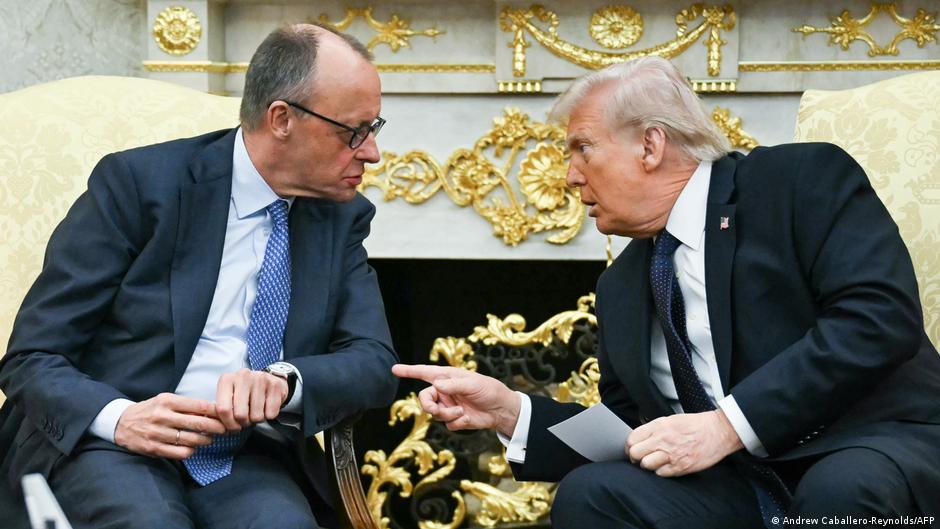
German Chancellor Friedrich Merz said the period of “unconditional transatlantic friendship” may be over for the long term, framing the deterioration in relations between Berlin and Washington as both a geopolitical risk and a potential catalyst for Germany to assume greater fiscal, security and economic responsibility.
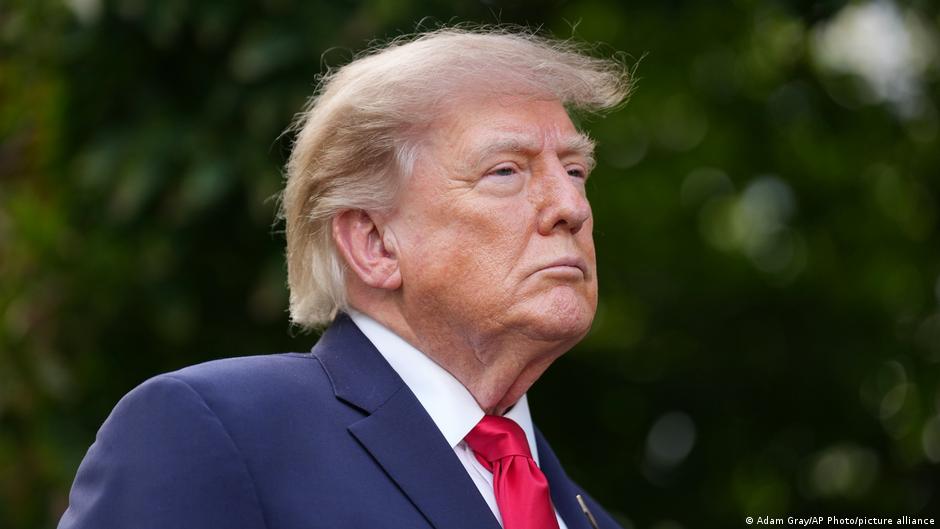
Speaking at a Christian Democratic Union campaign event in Berlin on Thursday, September 17, Merz said political attitudes across the Atlantic had shifted in ways that Germany may not previously have imagined. His remarks, reported by dpa, came against the backdrop of worsening relations with U.S. President Donald Trump over disagreements related to the U.S. and Israeli war against Iran, as well as trade conflicts initiated by the White House.
“We are observing on the other side of the Atlantic a change in political approaches and in the assessment of the transatlantic alliance that we perhaps could not have imagined,” Merz said, according to dpa.
For investors and corporate executives, the comments point to a further recalibration of Germany’s operating environment. A less predictable relationship with the United States could affect trade policy, defense procurement, supply chains, shipping costs and the outlook for export-led sectors. At the same time, Merz suggested that Germany could use the moment to strengthen its own economic base after several years of stagnation.
Defense Spending Moves Up the Fiscal Agenda
Merz said the tensions that have emerged between Europe, including Germany, and the United States create new opportunities that should not be missed. Germany, he said, must seize the moment and take on more responsibility for its own security and development. He pointed in particular to the federal government’s significant increase in defense spending.
That emphasis places security expenditure squarely within Germany’s broader financial policy debate. Higher defense outlays could support industrial orders in the defense and technology sectors, while also raising questions about budget priorities, public investment and the balance between security commitments and reform needs. Merz did not provide new figures in the remarks cited, but the article notes that the federal government has substantially increased defense expenditure.
The chancellor also used the event to point to signs of an economic recovery after several years in which Europe’s largest economy had been contracting or stagnant. According to forecasts he cited, Germany is expected to record economic growth of about 1.3% in 2026.
“We have emerged from this valley of a shrinking or stagnating economy,” Merz said, while adding that the country still needs reforms.
The projected 1.3% expansion is modest by global standards, but it is material in the context of Germany’s recent stagnation. For financial markets, the key question is whether a recovery can be sustained while the country absorbs higher defense commitments, trade frictions and external security risks. Merz’s comments imply that the government sees a window to combine fiscal reorientation with structural reform, rather than treating the geopolitical shock only as a liability.
Trade and Political Risk Cloud the Outlook
Relations between Merz and Trump initially appeared favorable at the start of Trump’s second presidential term. According to the source article, however, ties deteriorated after Merz refused to support the United States in the war with Iran. Trump subsequently began criticizing German authorities, including by attributing false statements to Merz.
Trade wars launched by the U.S. president have added another layer of strain. For German companies, especially exporters and manufacturers with exposure to U.S. demand, policy uncertainty in Washington can feed into earnings assumptions, capital expenditure decisions and investor guidance. While the article does not specify the industries or tariff measures involved, it describes the trade conflicts as part of the broader deterioration between Berlin and Washington.
The political dispute has also taken on a domestic German dimension. Earlier in September, Trump congratulated the far-right Alternative for Germany on its victory in state elections in Saxony-Anhalt. The move was described as another gesture of support from Washington for German right-wing populists, something that had already drawn criticism in Berlin.
German officials reacted with irritation to Trump’s praise of the Alternative for Germany after its convincing victory in elections to the Saxony-Anhalt state parliament. Metin Hakverdi, the German government’s coordinator for transatlantic cooperation, said Germans were capable of deciding for themselves how to handle migration and whom to elect. He added that Germany did not need advice from the White House on the matter.
Later the same day as Merz’s Berlin remarks, German government spokesperson Stefan Kornelius said the chancellor and the U.S. president had held a phone call that Berlin had previously postponed. According to Kornelius, Merz discussed with Trump the next steps toward ending Russia’s war against Ukraine, welcomed the U.S. Congress’s adoption of a sanctions package against Russia initiated by Senator Lindsey Graham, and addressed shipping problems in the Strait of Hormuz and the Red Sea caused by the war in Iran.
The discussion of shipping routes is especially relevant for financial reporting and corporate outlooks. Disruptions in the Strait of Hormuz and the Red Sea can affect energy markets, freight rates, insurance costs and delivery schedules. For German companies with global supply chains, these pressures can influence margins and working-capital planning, even when the immediate conflict is outside Europe.
Merz also recalled the September 11, 2001 terrorist attacks, whose anniversary had been the original occasion for the planned phone call between the two leaders. Berlin had postponed the conversation a day before it was scheduled, without giving reasons and without setting a new date at the time.
The sequence of events underscores the extent to which Germany’s financial and economic outlook is being shaped by security policy and investor relations with key allies. Merz’s message was not simply that relations with Washington have worsened. It was that Germany must treat the shift as a reason to increase responsibility for its own defense and development, while attempting to convert an uncertain transatlantic environment into a platform for renewed growth and reform.