NATO Confirms Continued Delivery of US Air Defense Missiles to Ukraine under PURL Program
NATO reassures investors that arms shipments, including critical air defense missiles, persist as part of the US-backed PURL initiative amid ongoing conflict.
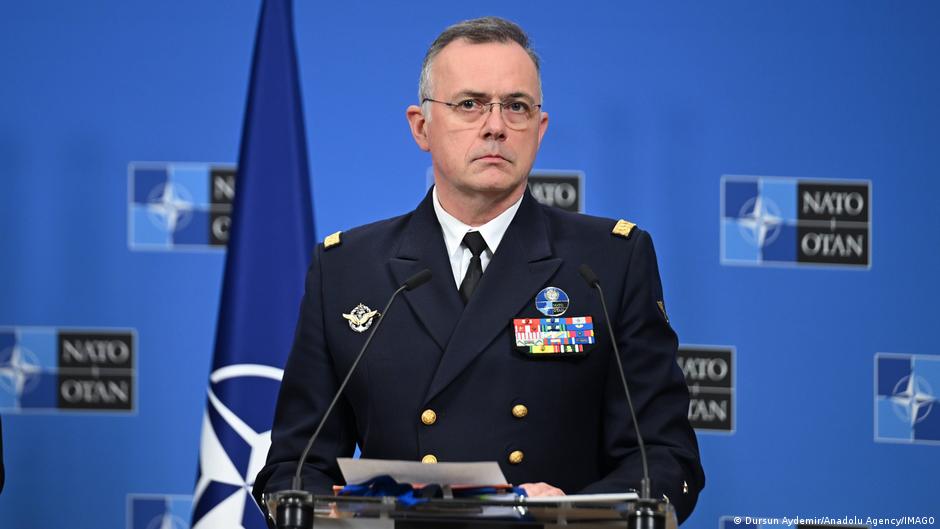
NATO has confirmed that the supply of weapons to Ukraine under the Priority Urgent Request List (PURL) program continues unabated, including the delivery of interceptor missiles essential for Ukraine's air defense systems. This was stated by General Christopher G. Cavoli, Commander of Allied Land Command, during a press conference following the NATO Military Committee meeting in Brussels on May 19.
Steady Arms Deliveries Under PURL Program
"All equipment paid for by allies, including interceptor missiles urgently needed by the Ukrainians, is being delivered," General Cavoli affirmed.
The PURL program, initiated by the United States and NATO, provides a streamlined procurement and funding mechanism enabling rapid acquisition and deployment of American-made military equipment critical to Ukraine’s defense. Participating countries contribute funds into a common pool aligned with a prioritized list of Ukraine’s operational needs, coordinated with the US and NATO to bypass delays associated with sourcing European equivalents.
General Cavoli emphasized that despite the conflict entering its fifth year, the Ukrainian Armed Forces continue to demonstrate resilience and innovation, particularly in countering Russian and Iranian drones and missile threats. The sustained and predictable supply of advanced weaponry through PURL remains vital to Ukraine’s operational effectiveness.
Western Investment Strengthens European Security
According to Cavoli, investments in Ukraine's defense not only protect its population and infrastructure but also contribute to the broader security architecture of Europe. He dismissed Russian claims of NATO posing a threat, underscoring that NATO actively intercepts unauthorized aerial incursions to safeguard alliance territory.
Regarding US military posture in Europe, Cavoli addressed concerns about the announced withdrawal of 5,000 US troops, clarifying that this reduction does not compromise regional defense plans. He noted Baltic states and Poland have augmented their ground combat capabilities, with multinational brigades in Latvia and Lithuania expanding under Canadian and German leadership respectively. This strategic realignment allows the United States to reallocate resources to other global priorities without diminishing NATO’s deterrence in Europe.
Highlighting operational readiness, Cavoli referenced a recent incident involving a presumed Ukrainian drone that entered Estonian airspace and was intercepted, demonstrating NATO’s tactical delegation of authority to protect every inch of alliance territory.
Addressing Russian Propaganda and Security Allegations
NATO officials also responded to recent Russian Foreign Intelligence Service claims alleging Latvia facilitates Ukrainian drone attacks on Russia, coupled with threats of "just retribution" against Latvia. General Cavoli dismissed these assertions as unfounded rhetoric aimed at justifying aggressive postures.
"If NATO intended to allow drones to fly through Baltic airspace to strike Russia, we simply would not be shooting them down," Cavoli stated, reaffirming NATO’s commitment to defense and regional stability.
As the conflict persists, the PURL program remains a critical financial and logistical instrument ensuring that Ukraine receives tailored, high-priority military support efficiently. For investors and defense stakeholders, this signals continued Western commitment to Ukraine’s defense capability enhancement and the strategic recalibration of NATO forces in Europe.