NATO Intelligence Reports Russia's Development of Underwater Nuclear-Capable Missiles
NATO surveillance indicates Russia may be deploying sea-bed ballistic missiles with nuclear capabilities, raising strategic and financial implications for defense sectors.
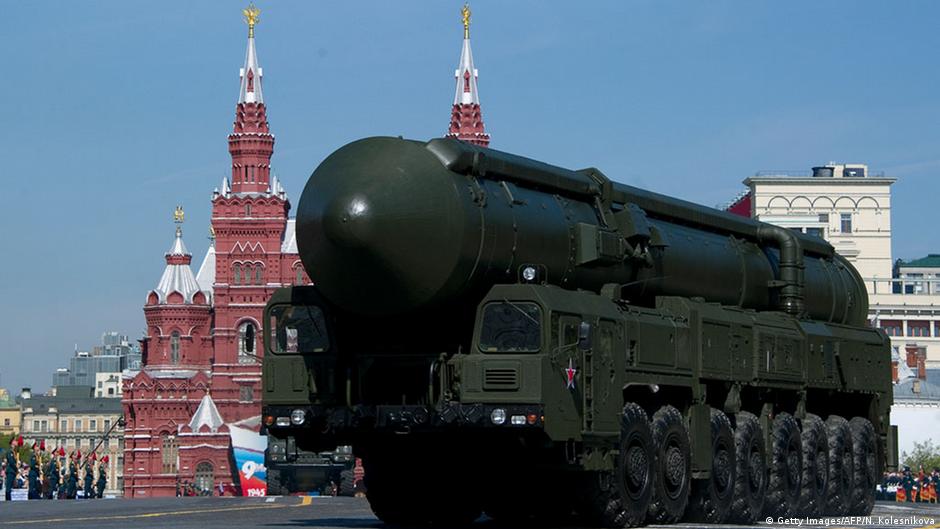
NATO intelligence agencies have reportedly tracked activities by Russia's Northern Fleet that suggest efforts to deploy ballistic missiles capable of carrying nuclear warheads on the ocean floor. This development, revealed by German broadcasters ARD, WDR, and NDR, centers on a covert project code-named "Skif," which could have significant strategic and financial implications for defense budgets and military procurement.
Project Skif and Its Strategic Significance
Investigative journalists conducted a multi-month inquiry into Project Skif by analyzing satellite imagery, Russian scientific databases, historical archives, and consulting military experts. Their findings, corroborated by NATO intelligence data, suggest that Russia has been working for years on a new method of sea-based missile deployment that is difficult to detect or neutralize.
"These launch systems will be practically impossible to detect and destroy," the investigation highlighted, underscoring the challenge for NATO and allied defense planning.
According to the reports, the Skif missile is a modified variant of the existing "Sineva" missile, currently deployed on Russian submarines. Unlike typical submarine-launched missiles, Skif is designed for launch from the seabed, potentially several hundred meters underwater, with a strike range spanning thousands of kilometers. Initial test launches reportedly occurred several years ago.
The missiles may be housed in specially constructed shafts or containers on the ocean floor, capable of remaining stationed for extended periods and launched remotely as needed. This innovation could reduce Russia's reliance on costly submarine fleets while maintaining its nuclear deterrence capabilities.
Financial and Operational Challenges
Experts, including Helge Adrians from the Berlin-based Science and Politics Foundation (SWP), note the complexity and costs associated with maintaining such a system. Technical hurdles include the effects of ocean currents, sediment buildup in missile shafts, energy supply, and secure data transmission for launch commands. These factors imply significant investment in research, development, and deployment infrastructure.
Moreover, NATO intelligence suggests that Russia may be using the "Zvezdochka" ship and the "Sarov" submarine, both based at Severodvinsk on the White Sea coast, to install these underwater missile silos. Neither NATO nor the Russian Ministry of Defense has commented on Project Skif. The Russian Embassy in Berlin stated it had no information on the matter.
Legal and Geopolitical Context
The deployment of nuclear weapons on the seabed raises questions regarding international treaties. The 1971 treaty banning nuclear weapon placement on the ocean floor applies to international waters but does not prohibit such installations within a country's own territorial waters. This legal nuance allows Russia to potentially exploit territorial waters for missile deployment, complicating geopolitical dynamics and defense expenditures among NATO members.
Former Russian Aerospace Forces Commander Viktor Bondarev publicly referenced the Skif missiles in 2017, indicating their integration into the Russian armed forces arsenal, which further supports the strategic significance of this project in Russia’s military modernization efforts.
Investor and Defense Sector Implications
From a financial perspective, the development of seabed missile systems reflects Russia's strategic prioritization of nuclear deterrence innovation, likely involving substantial state funding and impacting defense contractors involved in missile technology and naval capabilities. For international investors and defense analysts, these advancements could signal shifts in military spending priorities and the potential acceleration of countermeasures by NATO countries, influencing defense budgets and procurement strategies.
As Russia pursues this technologically demanding project, the balance of maritime nuclear capabilities might prompt NATO allies to enhance their own undersea detection and defense systems, potentially leading to increased defense expenditures in related sectors.