NATO Signals Readiness to Defend Against Iranian Threats Targeting European Military Sites
Following reports of potential Iranian strikes on bases in Bulgaria and Cyprus, NATO affirms strong deterrence and defense posture for alliance members.
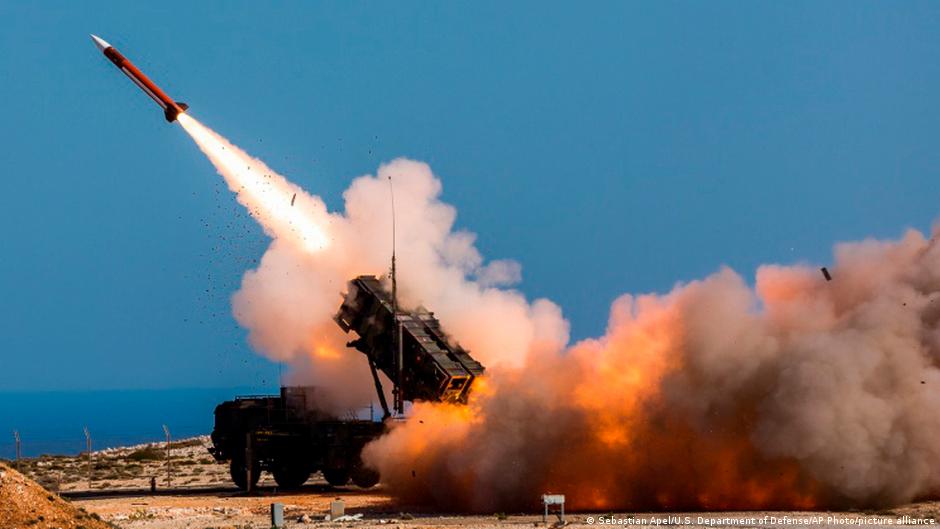
NATO has declared its preparedness to respond decisively to any threats posed by Iran against military installations in Europe, following media reports about Tehran's plans to target sites in Bulgaria and Cyprus.
A senior NATO official, speaking on condition of anonymity, told Reuters on August 19 that the alliance’s deterrence and defense strategy remains robust and effective. NATO emphasized its commitment to protecting all member states from emerging threats amid escalating regional tensions.
Context of the Threats and Strategic Implications
These statements come after reports indicated that Iran may consider launching strikes on European military bases used by US and allied forces. Bulgaria has allowed the United States to use its airbases for refueling operations since July, while Cyprus hosts British airbases, representing critical strategic points for Western military logistics in the region.
The Financial Times previously reported on Iran's contemplation of attacks against targets in Europe as a possible escalation in response to ongoing confrontations with the United States. Meanwhile, The New York Times revealed that Iran reportedly evaluated striking a Ukrainian port as retaliation for a Ukrainian military strike against an Iranian vessel in the Caspian Sea but ultimately decided against it.
"Our deterrence and defense strategy is strong and effective," a NATO representative affirmed, highlighting the alliance’s readiness to safeguard its members.
Tehran has yet to publicly comment on these specific reports. However, on August 19, General Ali Abdollahi Aliabadi, a senior figure in Iran’s military command, issued warnings to Gulf countries cooperating with the US, accusing them of facilitating attacks against Iranian territory.
In a related development, the United Arab Emirates announced the suspension of all trade, commercial exchanges, and financial operations with Iran until further notice. The UAE authorities accused Iran of launching two missiles targeting their territory, allegedly aimed at maritime shipping lanes. Iran has denied these accusations.
Investor and Market Implications
The escalating tensions and the potential for military actions in Europe pose significant geopolitical risks that could influence global markets and investor confidence. Bulgaria and Cyprus, as NATO member states and hosts to critical military infrastructure, may face heightened security costs and operational disruptions if threats materialize.
Defense sector equities might experience volatility due to the increased demand for military preparedness and potential procurement of advanced defense systems. Meanwhile, energy markets could also react to instability in the broader Middle Eastern region, affecting supply chains and prices.
Financial stakeholders should monitor NATO’s policy responses and diplomatic developments closely, as they will impact risk assessments and investment strategies related to European security and regional stability.