North Korea Conducts Multiple Missile Tests Demonstrating Advanced Tactical Capabilities
Pyongyang's recent missile launches underscore its strategic focus on modernizing artillery and missile forces under Kim Jong Un's directive.
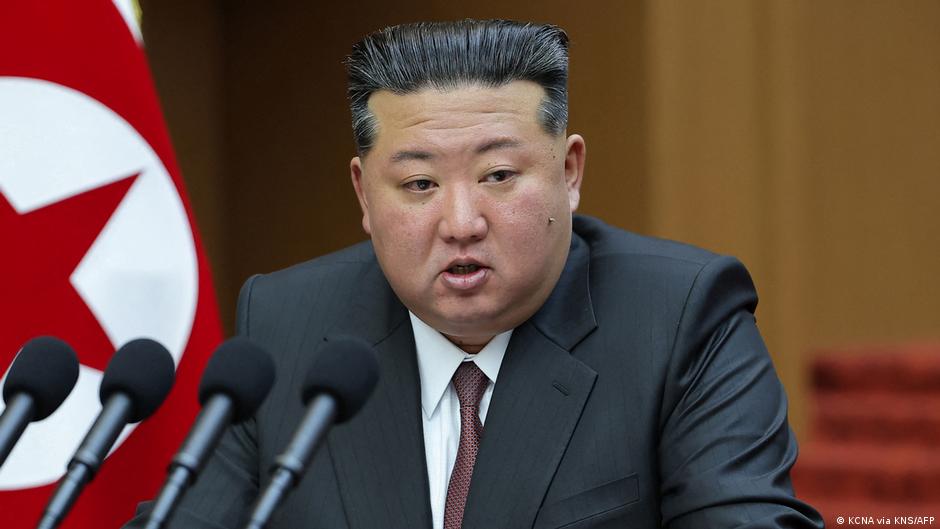
North Korea conducted a series of missile tests involving tactical ballistic missiles, artillery rockets, and precision-guided cruise missiles as part of its broader plan to modernize its military capabilities. The launches, overseen by leader Kim Jong Un, highlight Pyongyang's ongoing efforts to enhance its defense posture and project military strength.
Strategic Military Modernization and Financial Implications
According to reports, the missile tests took place near Chonju city in North Pyongan province, directed towards the Yellow Sea. These tests are part of a five-year national defense development plan aimed at upgrading North Korea's artillery and missile forces. Such military modernization efforts have potential implications for the country's allocation of financial resources and defense budget priorities.
Kim Jong Un expressed "great satisfaction" with the outcomes of the missile tests, calling them a "clear signal" of military superiority and expanding combat potential. He specifically praised the newly tested tactical cruise missile, which is slated for deployment in long-range artillery units near the southern border.
"The tactical cruise missile features multiple navigation systems, including terrain mapping and artificial intelligence guidance, enabling high-precision targeting within a 100-kilometer radius," stated the official announcement.
From a financial reporting perspective, these advancements could indicate significant capital expenditures in military research and development, procurement, and deployment. The emphasis on sophisticated navigation systems incorporating AI suggests a strategic investment in cutting-edge technology, likely impacting the national defense budget allocation and potentially influencing investor perceptions related to regional security risks.
Moreover, the continuation of missile testing underlines Pyongyang's prioritization of defense capabilities despite economic challenges, reflecting the government's strategic allocation of limited financial resources. This prioritization may affect broader economic indicators and external financial relations, including sanctions and foreign investment dynamics.
Observers analyzing North Korea's quarterly defense expenditure will likely monitor these developments closely, as they inform forecasts and risk assessments regarding the country's military and economic trajectory.