Novorossiysk Port Hub Faces Fire Risk After Reported Drone Attack
A reported drone attack on Novorossiysk triggered fires at a fuel oil terminal and a residential building, raising renewed concerns over export logistics.
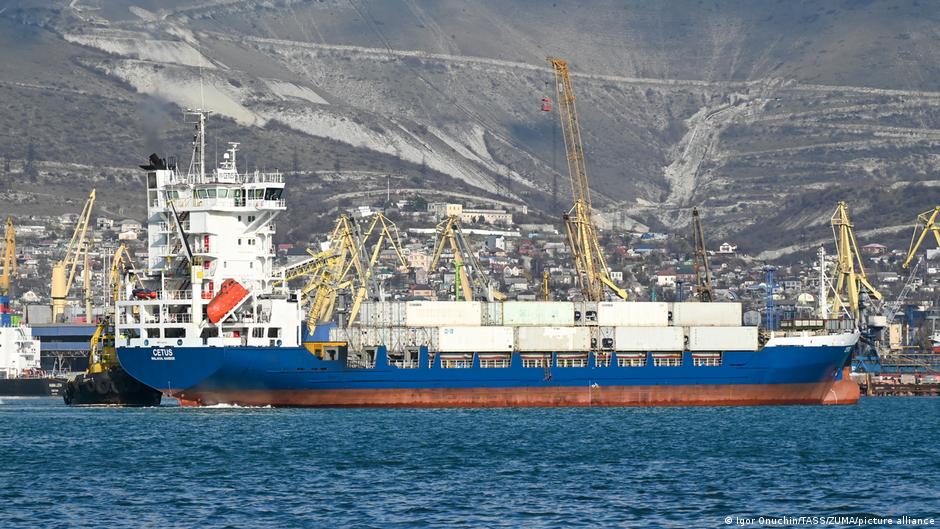
A reported overnight drone attack on Novorossiysk, one of Russia’s most important trade and export gateways, has triggered fires at industrial and residential sites, according to local officials and OSINT analysis cited by ASTRA. The incident adds a fresh operational risk for a port hub that plays a central role in Russian commodity flows, including grain, oil, metals and container cargo.
Novorossiysk Mayor Andrei Kravchenko said on Telegram during the night into Wednesday, September 9, that the city had been attacked using unmanned aerial vehicles. According to him, debris from drones was known to have fallen on the grounds of enterprises and near a residential building. Preliminary information indicated there were no casualties, and emergency services were working to address the consequences.
Preliminary information indicated there were no casualties, while emergency services were working at the affected sites.
ASTRA, citing OSINT analysis, reported that a fuel oil terminal was burning after the strikes. It described the site as one of the leading enterprises in the Novorossiysk transport hub, which is part of Russia’s largest port. ASTRA also reported a separate fire in a residential apartment building on Volgogradskaya Street, after an eyewitness filmed another blaze in the city.
Commodity Flows Under Scrutiny
From a financial reporting and investor relations perspective, the main significance of the incident lies in the potential for disruption to throughput, logistics schedules and export-linked revenue streams. Novorossiysk is described in the source report as one of the largest ports in Europe and a key hub for Russia’s foreign trade. Up to one-third of all Russian grain exports pass through the port, a position explained by its proximity to the country’s main agricultural regions.
The port also handles shipments of oil, metals and container cargo bound for global markets. Any operational interruption at a fuel oil terminal or nearby transport infrastructure can therefore carry implications beyond the immediate cost of emergency response. For companies using the port, the financial questions include whether loading windows are delayed, whether cargoes are rerouted, whether insurance or security costs rise, and whether counterparties demand revised delivery terms.
The source article does not provide figures on damage, terminal capacity, lost volumes, operating downtime or financial exposure. It also does not identify any listed company’s direct balance sheet impact. Still, for market participants following Russian export infrastructure, the incident is material as a risk signal because it affects a node that supports multiple commodity revenue lines.
Recent Disruptions Add Context
The reported fire follows earlier disruption in August, when an increase in strikes on Novorossiysk caused noticeable interruptions in oil and grain shipments, according to the source. That context matters for financial analysis because repeated interruptions can shift an event from a one-off operational issue into a recurring risk factor for logistics planning, working capital cycles and customer delivery performance.
For grain exporters, delays at a port through which up to a third of Russian grain exports move may affect shipment timing during periods when contract execution and vessel availability are financially important. For oil and fuel-linked operations, fire at a fuel oil terminal can raise questions about storage integrity, terminal availability and the cost of restoring normal operations, although the source provides no estimate of damage or recovery time.
For investors and creditors exposed to port operators, commodity exporters, insurers, logistics providers or trade finance arrangements, the immediate items to watch are operational continuity, official damage assessments and any confirmation of delays to loadings. The fact that debris reportedly fell on enterprise premises and near a residential building also widens the scope of potential liabilities, from industrial repair costs to municipal emergency expenditure.
At this stage, the available information remains limited. The mayor’s statement confirms a drone attack and debris impacts at enterprises and near housing, while ASTRA’s OSINT assessment points to a burning fuel oil terminal and a residential fire. There is no confirmed casualty count beyond the preliminary report of no injuries, and no disclosed financial estimate for damage to assets, cargo or infrastructure.
Even without quantified losses, the event underscores the vulnerability of logistics infrastructure that supports Russia’s external trade balance. Novorossiysk’s importance to grain exports, oil shipments, metals and container cargo means any sustained disruption would be monitored not only as a security development but also as a potential factor in export volumes, freight scheduling and commodity supply chains.