Political Unrest in Serbia Raises Concerns Over Economic Stability and Investor Confidence
Anti-government protests in Serbia disrupt transport and prompt government crackdown amid ongoing political instability.
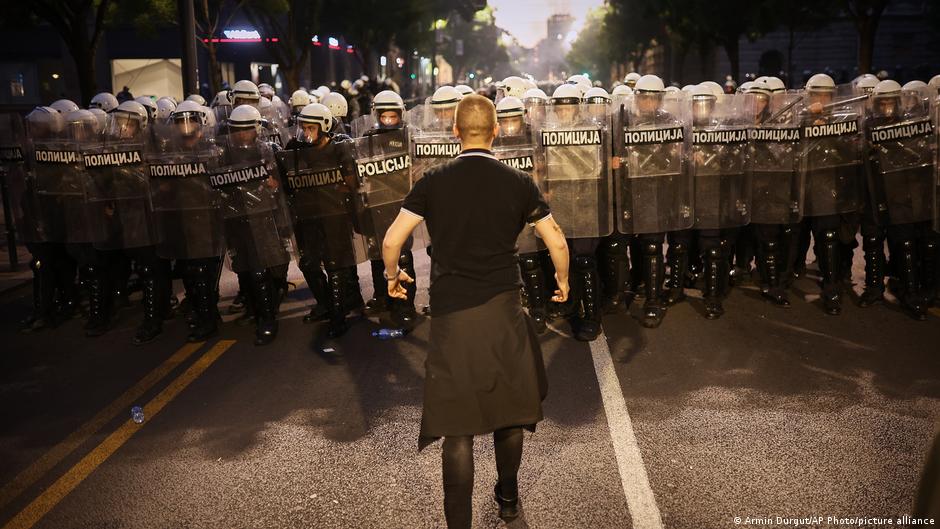
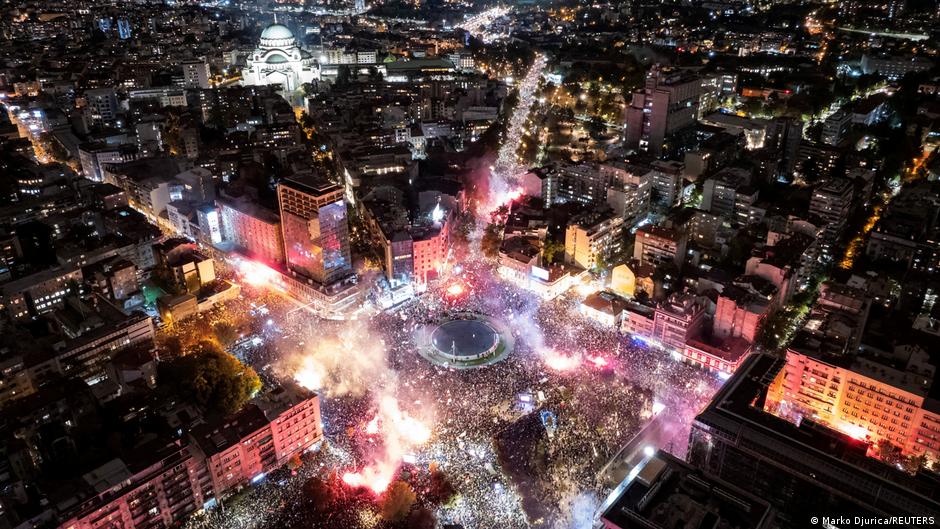
Serbia is experiencing renewed political unrest following large-scale anti-government protests that have escalated into violent clashes in the capital, Belgrade. These disturbances have not only led to arrests but also disrupted key transport infrastructure, raising concerns about the country’s economic environment and investor confidence.
Impact on Transport and Public Order
On May 23, violent incidents erupted near Pionirski Park during a student-led rally on Belgrade’s central Slavija Square. Reports indicate that police used tear gas and stun grenades to disperse protesters who allegedly attacked law enforcement officers with flares, stones, and improvised explosive devices. The Ministry of Internal Affairs confirmed 23 arrests related to the unrest.
In an effort to curtail the influx of demonstrators from across Serbia, the Serbian national railway operator cancelled all train services to and from Belgrade on the day of the protest. This move demonstrates the government’s approach to limiting the scale of protests but also underscores the disruption caused to transport and commerce.
"All those who attacked police officers safeguarding public safety after the event will be identified and held accountable under the law," stated Belgrade's prosecutor's office.
Background and Political Context
The protests began in November 2024 after a tragic accident in Novi Sad, where a concrete canopy collapse at a renovated railway station caused 16 fatalities. Demonstrators accuse government officials of corruption, negligence, and cronyism in infrastructure projects. The protests have since evolved into broader anti-government demonstrations demanding President Aleksandar Vučić’s resignation and early parliamentary elections.
Political upheaval has already led to significant leadership changes. In January 2025, Prime Minister Miloš Vučević resigned amid the unrest, and his replacement, Dr. Đuro Mašut, was appointed in March. President Vučić has maintained that democratic processes should not be disrupted by protests, indicating an intent to hold elections as scheduled in 2026 despite continuing tensions.
Investor Perspective and Economic Implications
For investors and financial analysts, prolonged political instability poses risks to Serbia’s economic outlook. The disruption of transport services and public order can affect supply chains, logistics, and consumer confidence. Moreover, the government’s attempts to restrict protest activities may contribute to an uncertain regulatory and political environment.
Investor relations teams and corporate decision-makers should monitor the evolving situation closely, as any escalation could influence Serbia’s creditworthiness and foreign investment inflows. Transparency in government actions regarding infrastructure integrity and anti-corruption measures will be critical to restoring trust.
In summary, Serbia’s ongoing political unrest, marked by violent protests, leadership changes, and transport disruptions, highlights the challenges facing the nation’s economic stability and investor confidence. Market participants are advised to factor these developments into their risk assessments.