Rosneft Advisor Predicts Prolonged War Impacting Russia’s Economic and Defense Strategies
Advisor to Rosneft CEO warns Russia may face decades-long conflict, urging economic models to integrate defense readiness.
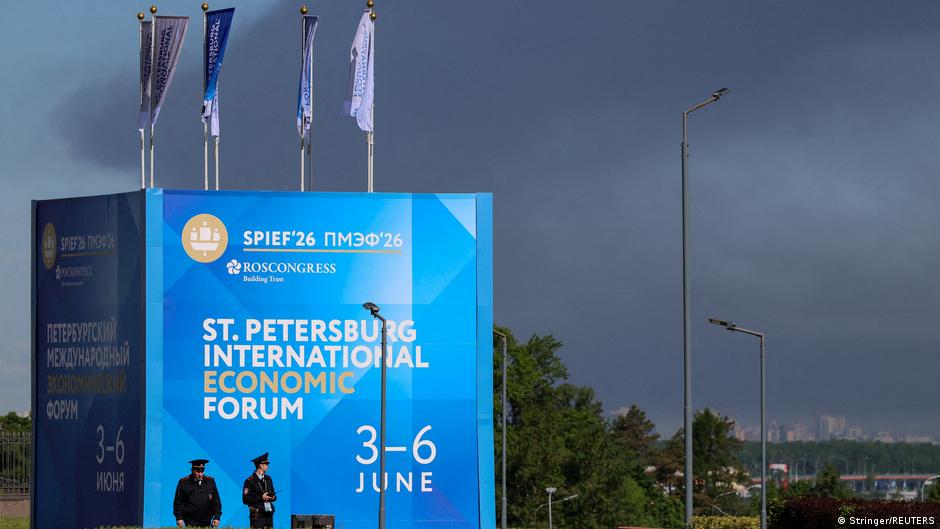
At the St. Petersburg International Economic Forum (SPIEF), Andrey Bezrukov, advisor to the head of Rosneft Igor Sechin, outlined a sobering outlook on Russia's geopolitical and economic future. Bezrukov suggested that Russia may remain in a state of war for "several years, possibly a couple of decades," emphasizing the profound implications this protracted conflict would have on the country’s economic strategies and national security frameworks.
Long-Term Conflict and Economic Adaptation
Bezrukov highlighted that the ongoing conflict could evolve into either an intense hot war or a more prolonged “creeping war,” possibly extending beyond current geographical zones. He warned that such a scenario would create "two generations that can be considered practically at war," indicating a sustained social and economic impact on the Russian population.
"We need to build a state system and economy that not only fulfills the task of development but also the task of defense," Bezrukov stated, underscoring the necessity for economic resilience and defense integration.
This forecast signals a shift in Russia’s financial planning, where investor relations and corporate earnings may increasingly factor in geopolitical risks and defense expenditure. For major state-influenced entities like Rosneft, aligning business models with national defense priorities could affect capital allocation, operational costs, and long-term financial performance.
Emerging Threats and Security Concerns
In addition to the long-term war scenario, Bezrukov brought attention to emerging threats such as "bio-warfare." He claimed that advanced technologies are being developed that could produce viruses capable of catastrophic destruction, reflecting heightened security anxieties within Russia's strategic circles.
This rhetoric aligns with prior state narratives concerning biological laboratories in Ukraine, though independent experts largely dispute the feasibility of "ethnic weapons." The emphasis on bio-threats may influence government budget priorities, potentially increasing allocations toward bio-defense research and crisis readiness.
Recent Security Incidents and Economic Implications
The statements came amid recent drone attacks on St. Petersburg and the Leningrad region during the night of June 3. The assaults caused explosions and fires, notably damaging the Petersburg oil terminal — a critical hub in Russia’s oil distribution network in the northwest. These disruptions signal potential risks to energy infrastructure stability, which could affect Rosneft’s logistics and revenues.
Additional consequences included damage to residential buildings and significant interruptions in mobile internet services, further complicating communication and emergency response efforts. The operational disturbances extended to Pulkovo Airport, where numerous flights were delayed or canceled following the activation of the "Kover" emergency plan.
Financial Sector and Investor Considerations
For investors and financial analysts monitoring Russian markets, Bezrukov’s remarks and the recent security incidents underscore the complexities of forecasting earnings and balance sheet stability amid geopolitical volatility. The prospect of a decades-long conflict introduces elevated uncertainties regarding capital expenditures, risk management, and long-term asset valuations.
Companies with close ties to the Russian state, particularly in energy and defense sectors, may face increased pressure to prioritize strategic resilience over short-term profitability. This reorientation could lead to higher operational costs, altered investment strategies, and fluctuating cash flow dynamics.