Russia Opens Three-Day Duma Vote With Governance and Risk Implications
The parliamentary election process extends into occupied Ukrainian territories, raising verification, compliance and institutional-risk concerns.
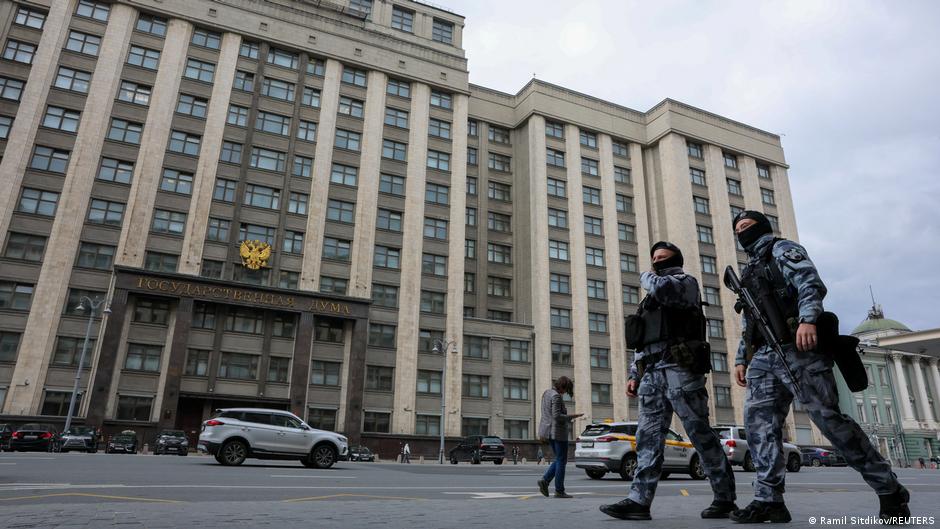
Russia formally opened three days of voting for the State Duma on Friday, September 18, at 08:00 local time, beginning in the far eastern regions of Kamchatka and Chukotka. Polling stations across the country are scheduled to remain open until 20:00 local time through September 20, in a process that carries political, governance and institutional-risk implications for investors, counterparties and analysts following Russia-linked exposure.
The election will determine the composition of the 450-seat lower house of parliament. Under the current system, 225 deputies are to be elected in single-mandate districts, where voters choose individual candidates. The remaining 225 seats will be allocated through party lists. Ten parties are listed for the party-list portion of the vote after the Yabloko party was removed from participation on formal grounds, although Yabloko candidates remain present in a number of single-mandate races across Russian regions.
For financial markets and corporate-risk teams, the vote is less about immediate changes in fiscal policy than about the continuity of institutional arrangements that shape Russia's budget priorities, sanctions environment, investor relations and legal predictability. None of the ten parties represented in the 2026 State Duma election has condemned the ongoing war in Ukraine, according to the source material. That narrows the range of visible policy alternatives on issues central to sovereign risk, including defense spending, external isolation and the treatment of occupied territories.
Election Mechanics and Institutional Controls
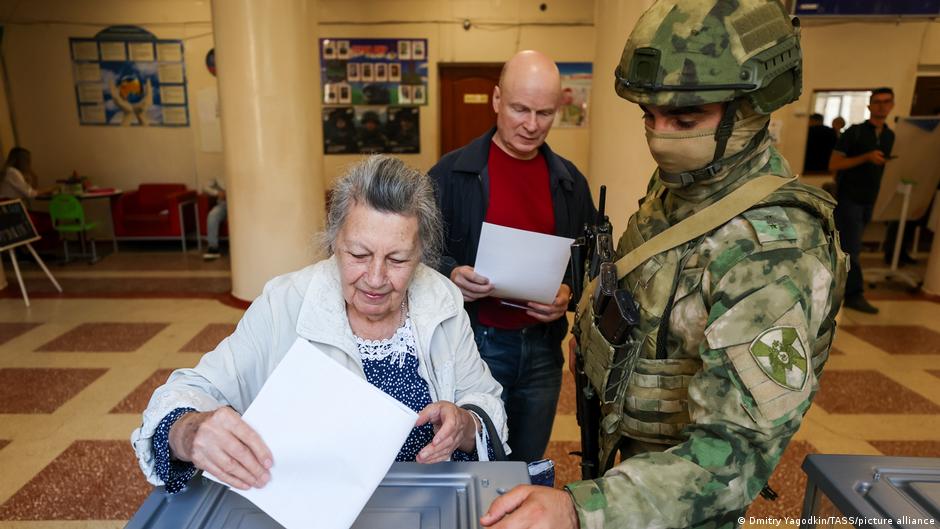
The previous State Duma election was held in 2021. This time, the process has been expanded to include occupied territories of Ukraine. Russian structures reported that participants in Russia's full-scale invasion of Ukraine, as well as residents of regions occupied by Russia, voted early from late August through September 17.
Observers say that even setting aside the question of legitimacy in those territories, the Central Election Commission organized the voting there in a way that makes the results practically impossible to verify. Authorities did not publish data on members of regional election commissions or the addresses of polling stations, according to the source material. Open video monitoring was not organized at those locations, and the use of mobile ballot boxes was permitted.
The Central Election Commission also allowed local election commissions, where necessary, to print ballots on site and not immediately transfer them to higher-level bodies after counting. From a financial reporting perspective, those procedures matter because institutional transparency is a key input into country-risk assessments. Where electoral data cannot be independently checked, analysts face a weaker basis for evaluating the stability, accountability and policy mandate of legislative bodies that approve budgets and shape the operating environment for companies.
Observers said the way voting was organized in occupied territories makes the results practically impossible to verify.
Before the start of voting, pro-government media resources in Russia circulated videos arguing that footage showing manipulation or ballot stuffing at polling stations could be generated by artificial intelligence. Ella Pamfilova, chair of Russia's Central Election Commission, also stated that such technologies could allegedly replace the live image from polling stations in real time.
That messaging adds a further layer of reputational and information-risk complexity. For companies, lenders and investors that rely on public records, official reporting and third-party monitoring, disputes over the authenticity of evidence can make it harder to assess political developments. The issue is not limited to election administration. It also intersects with broader due-diligence challenges in markets where official narratives, sanctions exposure and restricted access to independent verification already complicate financial analysis.
Party Access and Opposition Strategy
Yabloko had initially been admitted to the election. The party had consistently criticized the war, but it was later excluded from the party-list contest on formal grounds. Although Yabloko was removed from party lists, individual members of the party are participating as candidates in single-mandate districts.
Some of those candidates later faced pressure and removal from the election on various grounds, often related to old photographs and social media posts, including posts mentioning Alexei Navalny. The treatment of candidates is relevant to governance analysis because it affects the range of legislative representation and the predictability of political participation. In markets where political competition is constrained, the policy environment may appear stable in the short term while becoming harder to test through normal institutional channels.
Shortly before the election, opposition figures Yulia Navalnaya and Maxim Katz called on Russians to vote for the strongest single-mandate candidates who are not members of the United Russia party. Yabloko criticized that approach and instead advised voters to spoil their ballots.
For investors and financial institutions, the most immediate takeaway is continuity rather than a discrete earnings-style event. The vote is not a quarterly report, but it functions as a governance signal. It provides information about who will occupy the legislative seats that influence future public spending, regulatory decisions, sanctions-related responses and the legal framework affecting domestic and foreign economic actors.
The election's extension to occupied Ukrainian territories also increases the relevance of compliance screening. Entities operating with any Russian exposure must account for the legal and sanctions risks associated with territories internationally treated as occupied, as well as the documentation and counterparties linked to those areas. Where voting procedures, commission data and polling station locations are not transparently disclosed, the same opacity can heighten concerns about administrative records more broadly.
The financial implications of the Duma vote will therefore be read through several channels: the composition of the chamber, the absence of anti-war parties from the listed party field, the use of early voting in occupied regions, and the official framing of potential visual evidence as possibly AI-generated. Together, these factors point to a political reporting environment in which verification, institutional trust and governance risk remain central to any assessment of Russia's economic outlook.