Russia Rules Out Negotiating Pause as Lavrov and Rubio Meet in New York
Moscow signaled it would not halt operations for talks with Kyiv, while Washington said it remained ready to support a ceasefire effort.
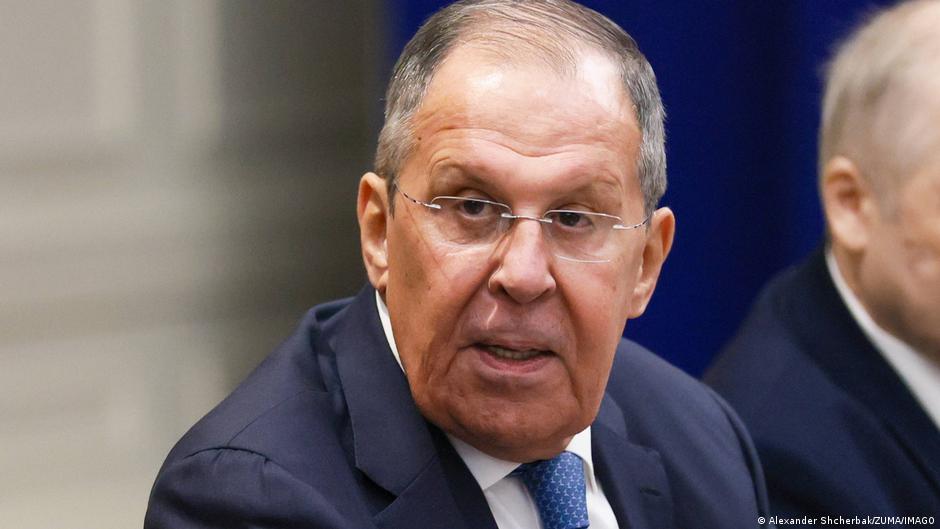
Russia will not agree to a negotiating “pause” with Ukraine in any format, Russian Foreign Minister Sergei Lavrov said on Wednesday, September 23, during a United Nations Security Council session in New York. The statement came as Lavrov met U.S. Secretary of State Marco Rubio on the sidelines of the UN General Assembly, and as Moscow continued strikes on Kyiv.
For investors, lenders and companies tracking geopolitical risk, the remarks underscored that the conflict remains a live variable in sovereign-risk assessments, defense-sector demand, energy-market expectations and wider regional financing conditions. Lavrov’s comments suggested that Moscow does not view a temporary halt in military activity as part of the current negotiating framework, even as Russia says it is prepared to discuss a settlement.
According to the Russian Foreign Ministry’s account, Lavrov said Europe wanted a pause for a simple purpose: to give Kyiv time to rest and replenish depleted military arsenals. The minister maintained that Russia was ready for talks aimed at achieving what he described as a “sustainable just peace.”
“Although Europe wants exactly that,” Lavrov was quoted as saying, referring to a pause, “with the same simple goal of getting a respite and replenishing the depleted military arsenals of the Kyiv regime.”
The language matters for financial reporting because it offers no indication of a near-term reduction in hostilities that could alter assumptions used by multinational firms, insurers, banks and portfolio managers with exposure to Ukraine, Russia or neighboring markets. Companies with supply chains, commodity exposure or sanctions-related compliance obligations are likely to continue treating the war as an unresolved risk rather than a moving item toward de-escalation.
Diplomacy Continues Without a Ceasefire Signal
Rubio, speaking at the UN General Assembly in New York, again said Washington was prepared to play a constructive role in securing a ceasefire. His remarks contrasted with Lavrov’s rejection of any pause linked to negotiations, leaving the diplomatic process active but without a clear signal that battlefield activity would be suspended during talks.
Before Lavrov’s address, he met Rubio for talks that lasted about an hour, according to the Interfax news agency. The meeting was the fifth between the foreign ministers of the two countries since 2025, reflecting continued high-level engagement between Moscow and Washington even amid persistent disagreements over Ukraine.
For public companies, the distinction between dialogue and de-escalation is significant. Investor-relations teams often describe geopolitical developments in terms of operational risk, commodity-price volatility, foreign-exchange exposure, sanctions compliance and access to markets. Lavrov’s statement provides little basis for reducing those risk disclosures. Rubio’s assertion that the United States is ready to help pursue a ceasefire indicates ongoing diplomatic effort, but not a measurable change in the conflict environment.
The source account also said Moscow continued strikes on Kyiv while the New York meetings were underway. That juxtaposition is likely to reinforce the view among analysts that negotiations, if they proceed, may not be accompanied by an immediate decline in military activity. In financial terms, the operating environment remains difficult to model: companies must account for both diplomatic headlines and continued conflict-related disruption.
G20 Invitation Adds Another Investor-Watched Date
Rubio previously said the United States had invited Russian President Vladimir Putin to attend the G20 summit scheduled for December in Miami. He said that solving problems requires meeting people with whom there are disagreements or friction, which was why Putin had been invited.
Rubio also said the Miami summit could offer the Russian leader an opportunity to meet U.S. President Donald Trump and other world leaders. “We hope he accepts this invitation,” Rubio added.
The potential summit appearance is relevant to financial audiences because major diplomatic meetings can affect expectations around sanctions, commodities, capital flows and defense spending. However, the source article does not report that Putin has accepted the invitation, nor does it describe any agreed framework for a ceasefire or settlement. As a result, the G20 date remains a possible diplomatic milestone rather than a confirmed turning point.
For now, the reported facts point to a familiar pattern: continued diplomatic contact, public statements about readiness for talks, and no pause in Russia’s military campaign. Lavrov’s position narrows expectations for any negotiation format that would require a halt in operations before substantive discussions. Rubio’s comments keep the United States positioned as a prospective mediator, but they do not change the immediate financial risk profile implied by the ongoing conflict.
Markets and corporate reporting teams generally respond less to the existence of talks than to verifiable changes in policy, sanctions, military activity or trade conditions. On the basis of the statements reported from New York, there is no such change yet. The conflict remains a central factor for companies assessing regional exposure, while investors must continue weighing the possibility of diplomacy against the persistence of hostilities.