Russia Signs Military-Technical Cooperation Deal with Taliban Amid Strategic Realignment
Russia formalizes military-technical cooperation with the Taliban, potentially enabling arms transfers and strategic collaboration in Afghanistan.
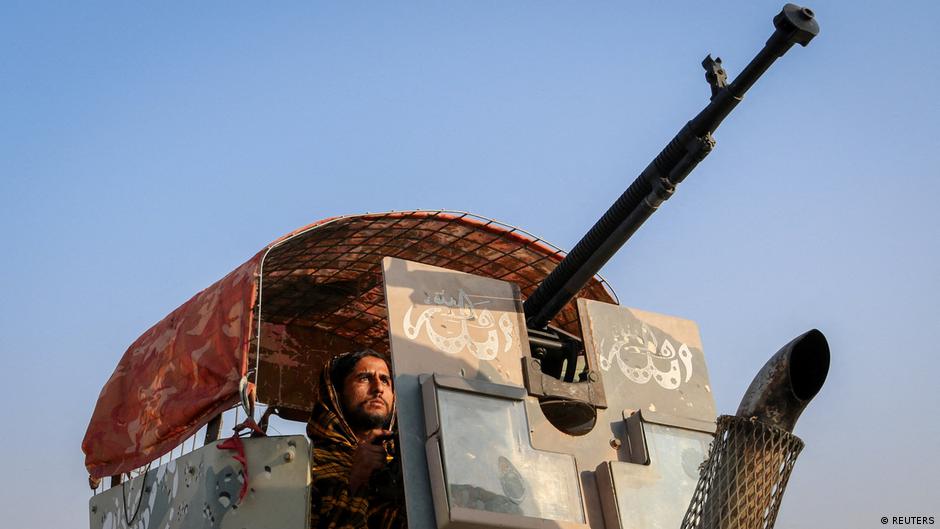
Russia has signed a military-technical cooperation agreement with the ruling Islamist movement in Afghanistan, the Taliban, marking a significant development in the geopolitical and defense landscape. The agreement was announced on May 27 during the International Security Forum held near Moscow, though specific terms of the deal remain undisclosed.
Implications for Military and Defense Sector
Military-technical agreements typically involve the exchange of weapons, military licenses, technology transfers, and joint development projects. This agreement could pave the way for Russia to supply the Taliban with arms and defense technologies, potentially influencing regional security dynamics.
"While some view the deal as largely symbolic due to limited practical collaboration prospects, it nevertheless signals Russia’s strategic intent to maintain influence in Afghanistan," noted geopolitical analysts.
The signing followed a high-level meeting between Russian Security Council Secretary Sergey Shoigu and Afghan Defense Minister Mohammad Yaqoob, a former Taliban military commissioner and son of the movement's founder, Mullah Mohammed Omar. During this meeting, Yaqoob highlighted enhanced bilateral relations, while Shoigu urged Western nations to unfreeze Afghan assets and support the country's reconstruction financially.
Context and Financial Considerations
Since the Taliban’s return to power in 2021, following the US troop withdrawal, Russia has gradually shifted its stance towards the movement. In 2024, President Vladimir Putin described the Taliban as "allies in the fight against terrorism," and in 2025, the Kremlin removed the Taliban from its terrorist organizations list and accepted its ambassador in Moscow.
From a financial perspective, this cooperation may impact Russia’s defense exports and geopolitical influence. Arms transfers could have budgetary implications for Russia’s military-industrial complex and open new markets for Russian defense products. Additionally, Russia’s push for Western financial support to Afghanistan could reshape economic flows in the region, impacting international investment and aid dynamics.
However, some experts caution that tangible military collaboration could remain limited, as the Taliban’s status remains contentious internationally, with countries like Tajikistan, Turkey, and Canada continuing to classify the Taliban as a terrorist organization.
Looking Ahead
For investors and analysts monitoring Russia’s defense sector, this agreement signifies a strategic expansion of Russia’s military partnerships despite complex international sanctions and political pressures. The potential transfer of military technology and equipment to Afghanistan could affect future earnings for Russian defense firms involved in export contracts. However, uncertainties around enforcement, international reactions, and logistical challenges should be closely monitored.
As Russia navigates this new military partnership, ongoing geopolitical shifts and financial implications warrant close attention from stakeholders focused on defense, international relations, and emerging markets.