Russia to Attend G20 Energy Talks as Security Risks Shape Market Outlook
A Russian representative is expected at next week’s G20 energy ministers’ meeting in Houston as governments weigh supply security and sanctions constraints.
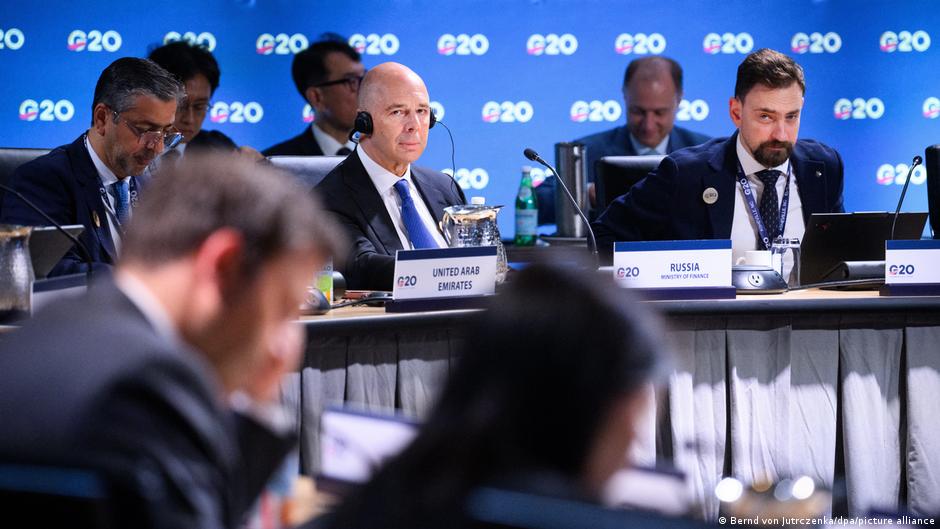
A Russian representative will attend a meeting of G20 energy ministers next week in Houston, according to a U.S. administration official cited by Reuters, placing Moscow back in a high-level economic policy forum at a moment when energy security, sanctions and geopolitical risk remain central to market calculations.
The meeting is scheduled to take place from September 14 to 16 in the U.S. city of Houston. The Russian participant has not yet been identified, and it remains unclear who Moscow will send to the discussions. The gathering is formally dedicated to the theme of “energy abundance,” but it will take place against a backdrop in which governments and investors are focused on the financial consequences of supply disruptions, war risk and sanctions policy.
For companies with exposure to oil, gas, shipping, power generation and commodity-linked financing, the meeting may be watched less for communiques than for signals about the policy environment. The presence of a Russian representative is likely to draw attention from energy traders, sovereign analysts and investor relations teams monitoring whether diplomatic contact changes expectations around sanctions, supply flows or capital market access.
Energy Security Remains a Balance Sheet Issue
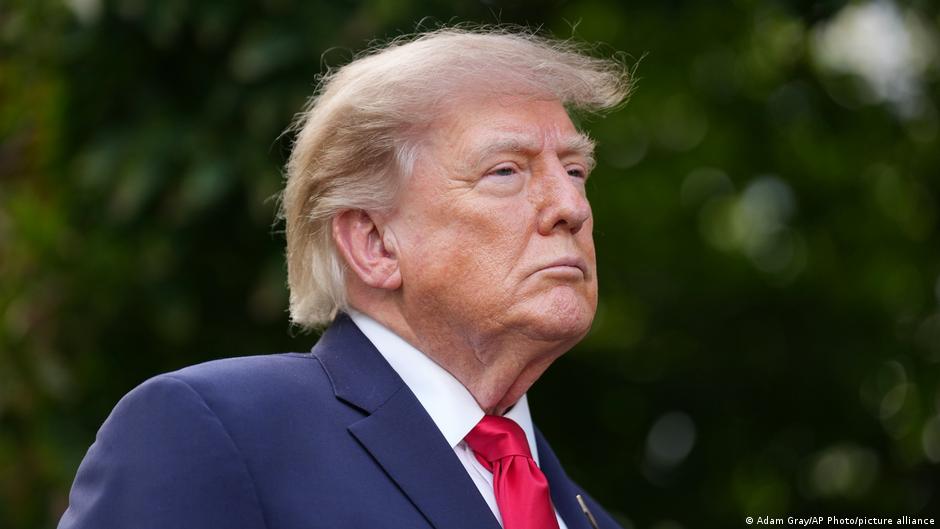
The source article says the Houston meeting will include U.S. Energy Secretary Chris Wright and Interior Secretary Doug Burgum, as well as Jarrod Eigen, a representative of President Donald Trump’s administration. Representatives of the energy sector from Europe and Asia are also expected to participate.
Although the stated topic is energy abundance, the meeting is set to occur while many countries remain concerned about energy security because of Russia’s war in Ukraine and the conflict between the United States and Iran. Those concerns are not only diplomatic. For listed energy companies, utilities, industrial producers and transport groups, geopolitical instability can affect procurement costs, hedging strategies, freight rates, insurance costs and disclosures around operational risk.
The situation has also been complicated by an offensive by the Iran-backed Houthis in Yemen. According to the source, on September 10 the group captured the port city of Mokha on Yemen’s western coast and strengthened its positions near the Bab el-Mandeb Strait, the southern outlet of the Red Sea. Any pressure near that maritime corridor is likely to be viewed by markets through the lens of shipping exposure, rerouting costs and the resilience of energy supply chains linking producers, refiners and end users.
Russia’s expected attendance gives the Houston meeting a geopolitical dimension beyond its official theme of energy abundance.
For investors, the immediate question is whether the meeting produces any practical change in the risk premium embedded in energy prices. The source does not report any expected agreement, policy shift or numerical target. Still, the attendance list itself is financially relevant because G20 energy discussions can influence expectations about government coordination, strategic supply planning and future regulatory pressure on the sector.
Russian Participation Follows Finance Ministers’ Meeting
The expected Russian presence in Houston follows another notable G20 appearance. At the meeting of G20 finance ministers and central bank governors held on August 31 and September 1 in Asheville, Russian Finance Minister Anton Siluanov participated for the first time since the start of the war in Ukraine. Previously, Russia had been represented at such events by secretaries.
According to U.S. media reports cited in the source, Siluanov discussed with U.S. Treasury Secretary Scott Bessent Donald Trump’s peace plan, which had been proposed in November 2025, as well as the impossibility of easing sanctions before the end of the war. That point is central to the financial reporting perspective: sanctions remain one of the main constraints on cross-border investment, financing access, asset valuation and commercial counterparty risk involving Russian entities.
The source does not state that sanctions policy has changed. Instead, it presents the Asheville meeting as a diplomatic contact in which sanctions relief was described as impossible before the war ends. For banks, energy companies and multinational groups, that distinction matters. Engagement at a G20 forum does not by itself alter compliance obligations, revenue recognition assumptions or disclosures tied to restricted business.
Siluanov’s appearance drew criticism from European officials. German Finance Minister and Vice Chancellor Lars Klingbeil described the fact that Siluanov was received at the event as an “alarming signal.” In conversations with colleagues from other European countries, Klingbeil threatened to boycott the traditional group photograph of summit participants if Siluanov appeared in it. According to Klingbeil, representatives of other European countries joined his position, and the photograph was ultimately taken without the Russian minister.
That episode underscores the political sensitivity surrounding Russia’s participation in G20 economic forums. It also points to a broader investor relations challenge for governments and companies: engagement intended to manage economic risk can itself become a reputational and governance issue. For energy groups and financial institutions, public positioning around Russia remains closely scrutinized by regulators, shareholders and European policymakers.
The Houston meeting therefore arrives with multiple layers of market relevance. It brings together U.S. officials, expected representatives from Europe and Asia, and a Russian participant whose identity has not been announced. It comes shortly after a G20 finance meeting where Russia’s attendance sparked European objections. And it takes place amid conflicts and maritime security concerns that can affect energy flows, trade routes and corporate cost structures.
No financial figures, production targets or balance sheet measures were disclosed in the source article. The key financial takeaway is instead the policy setting: governments are preparing to discuss energy abundance while the operating environment for global energy markets remains shaped by war, sanctions and transit risk. For investors, that means attention will fall on any subsequent statements from Houston for clues about supply security, sanctions continuity and the degree of coordination among major economies.