Russian Drone Strikes Hit Kyiv Fuel Stations, Warehouses and Odesa Logistics
Ukrainian officials reported casualties and infrastructure damage after a large Russian drone attack targeting Kyiv, Odesa and Zaporizhzhia.
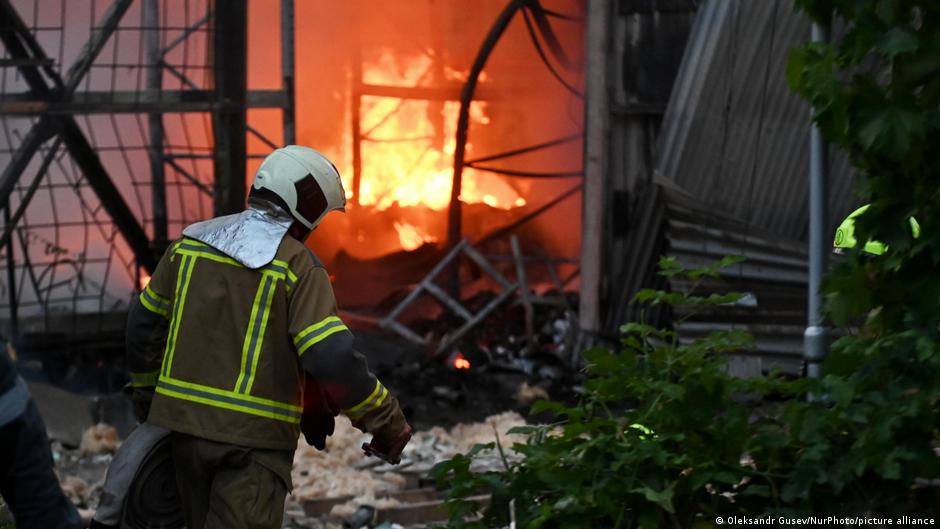
Russian drone strikes hit fuel stations and warehouse facilities in Kyiv on Tuesday, September 15, injuring seven people and later leaving one of those hospitalized dead, according to officials in the Ukrainian capital. The attack also damaged civilian, logistics, port and transport infrastructure in the Odesa region, while authorities in Zaporizhzhia reported a fatal strike on an infrastructure site.
The incidents add to the continuing operational and financial pressure on Ukraine’s urban infrastructure, fuel distribution points, port assets and logistics networks as Russia’s full-scale war against the country continues for a fifth year. While Ukrainian officials provided immediate casualty and damage reports, they did not disclose any financial estimate for the losses, repair costs or disruption to commercial activity.
Kyiv Mayor Vitali Klitschko said on Tuesday morning that Russian unmanned aerial vehicles struck fuel stations and warehouse premises in the capital. Hits by UAVs were recorded at gas stations in the Darnytskyi and Holosiivskyi districts, he said. Seven people were injured and all were taken to hospitals, with two in serious condition. Klitschko later added that one of the people transported to a medical facility had died.
Kyiv Fuel and Storage Assets Hit
The Kyiv City Military Administration reported a Russian strike on warehouse facilities in the Obolonskyi district in the north of the capital. An air alert was declared in Kyiv and the surrounding region with a yellow danger level, according to the report.
For businesses and municipal operators, strikes on fuel stations and warehouses can carry implications beyond immediate property damage. Fuel retail sites are part of the city’s transport and emergency-response supply chain, while storage facilities can support commercial distribution, inventory management and last-mile logistics. The authorities’ statements did not identify the owners of the affected sites, the nature of the stored goods, insurance exposure or the expected timeline for reopening damaged facilities.
The damage in Kyiv was reported alongside a broader Russian attack across several Ukrainian regions. Ukrainian authorities described strikes on infrastructure that is central to transport and trade flows, including in the Odesa region, where port facilities are a key component of Ukraine’s export capacity.
“Residential buildings, logistics facilities, port and transport infrastructure came under attack,” Odesa regional military administration head Oleh Kiper wrote on Telegram.
Kiper said roofs, facades and windows of private homes were damaged, along with dozens of garages and cars. He described the Russian attack on civilian infrastructure in the Odesa region as massive. The source report did not provide figures for the number of assets affected at port or logistics sites, nor did it state whether cargo handling, shipping schedules or related business operations were interrupted.
Odesa Port Infrastructure Under Pressure
From a financial reporting perspective, the Odesa damage is significant because the region’s ports and transport links are critical physical assets in Ukraine’s wartime economy. Any repeated damage to port, logistics or transport infrastructure may increase maintenance costs, affect throughput and complicate planning for exporters and service providers. However, the information released by officials in the immediate aftermath of the strike did not quantify the damage or identify any affected companies, vessels or cargo.
In the Zaporizhzhia region, local authorities said an infrastructure facility was hit by Russian-launched drones. Emergency services were working to extinguish a fire at the scene, they said. One person was killed and another was injured in the raid, according to the regional administration.
The Ukrainian Air Force said Russia attacked Ukraine using 200 strike UAVs of the Shahed and Gerbera types, as well as Parody-type decoy drones. According to preliminary data cited by the Air Force, Ukrainian air-defense units shot down or suppressed 187 Russian drones. Hits by air-attack weapons were recorded at seven locations, and debris from downed drones fell in three places.
Those figures indicate that most of the incoming drones were intercepted or neutralized, but also show that several strikes still reached targets or caused secondary damage. For public authorities, utilities and private operators, the financial burden from such raids can include emergency response, structural repairs, replacement of damaged vehicles and equipment, inventory losses, temporary relocation, and heightened security or insurance costs. None of those costs were itemized in the official statements cited in the source report.
Russia’s Defense Ministry, which continues the full-scale war against Ukraine for a fifth year, claimed that the strikes were carried out “on logistics centers and ports of Ukraine, as well as sea vessels involved in the interests of the Armed Forces of Ukraine.” The Ukrainian officials’ accounts described impacts on fuel stations, warehouses, residential buildings, logistics assets, port and transport infrastructure, and a separate infrastructure object in Zaporizhzhia.
The latest attacks come as investors, creditors and international partners continue to monitor the resilience of Ukraine’s infrastructure base under wartime conditions. Damage to fuel retail sites, warehouses and port assets can affect local service continuity and the cost profile of reconstruction, even when direct financial losses are not immediately disclosed. For now, the available official information remains focused on casualties, locations, emergency response and the scale of the drone assault rather than audited damage estimates or balance-sheet impact.