Russian Elites Oppose Internet Restrictions Over Economic Impact Ahead of 2025 Crackdown
Close Kremlin officials reportedly urged Putin to reconsider internet lockdowns due to potential multi-billion-dollar losses and growing public discontent.
Senior officials within President Vladimir Putin's inner circle have reportedly attempted to dissuade him from implementing stringent internet restrictions in Russia, which are set to intensify starting in 2025. The growing concern among elites centers on the economic fallout and deteriorating public sentiment caused by these digital clampdowns.
Elite Concerns Over Economic and Social Consequences
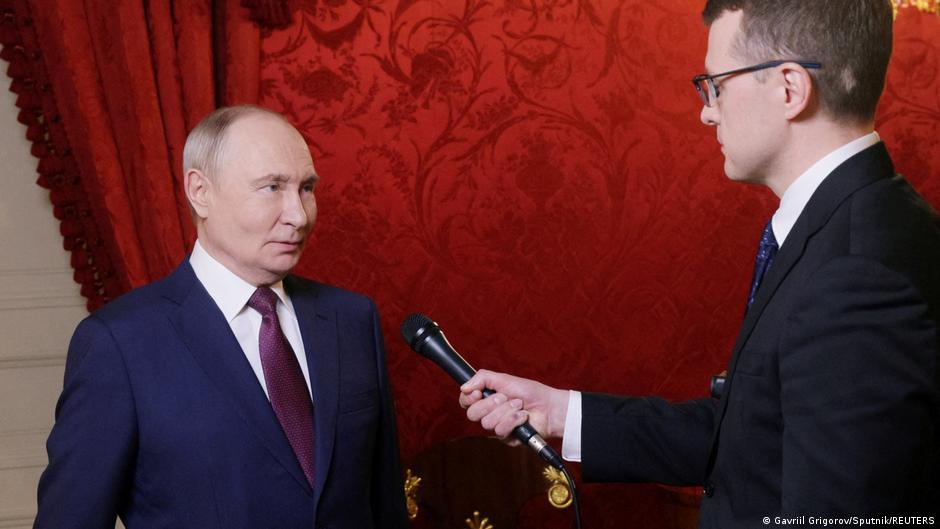
According to unnamed insiders, key figures including Kremlin spokesman Dmitry Peskov and First Deputy Chief of the Presidential Administration Sergey Kiriyenko have counseled the president against introducing a series of more severe internet limitations. These discussions reflect unease about the sweeping internet shutdowns that have already resulted in multi-billion-dollar losses for Russian businesses.
"The internet shutdowns are causing significant economic damage and social unrest, prompting some officials to quietly express envy toward China's more managed internet control model," one source stated.
While Russian elites once ridiculed China's stringent internet censorship as a symbol of repression, they now reportedly appraise Beijing's approach with a degree of envy amid their own challenges.
Security Apparatus Drives Tougher Controls
Despite internal opposition, Putin has largely sided with security agencies advocating for tighter internet controls amid ongoing conflict with Ukraine. Reports have identified the FSB's Second Service as a principal force behind the 2025 internet crackdown, having been granted broad authority by the Kremlin to enforce digital restrictions.
This same unit has been implicated in high-profile poisonings of opposition figures, underscoring its pivotal role in maintaining the current regime's grip on power. The escalating restrictions also align with governmental efforts to shift citizens toward state-approved online platforms, amplifying concerns about censorship and surveillance.
Broader Economic Strains and Public Discontent
The internet restrictions compound other fiscal pressures faced by Russians, including tax hikes and rising prices projected for 2026. Additional state actions, such as the mass slaughter of livestock in Siberia, have further fueled public dissatisfaction.
Collectively, these developments appear to undermine an unwritten social contract that has supported Putin's rule since the full-scale invasion of Ukraine began. This contract implied that ordinary Russians could largely shield themselves from the war's impact provided their daily lives remained stable.
Recent polling data reflect growing unrest: in April, the population's reported happiness index hit a 15-year low, and trust in Putin dropped to its lowest point since the war's onset. In response, state statisticians adjusted polling methodologies, temporarily boosting the president's approval ratings. Nevertheless, internet restrictions continue to be justified by officials as necessary for national security.
Financial markets and investors monitoring Russia's socio-political environment should note the potential risks posed by these digital clampdowns. The growing divide between elite economic interests and security-driven policies may foreshadow further volatility affecting corporate earnings, investment climates, and broader economic stability.