Russian Filmmaker Zvyagintsev Highlights Lack of Voice for Millions Amid War Criticism
Andrey Zvyagintsev calls for an end to Russia's war in Ukraine after Kremlin dismisses his anti-war message.
Prominent Director’s Appeal to Putin Ignored by Kremlin Amid Political Tensions
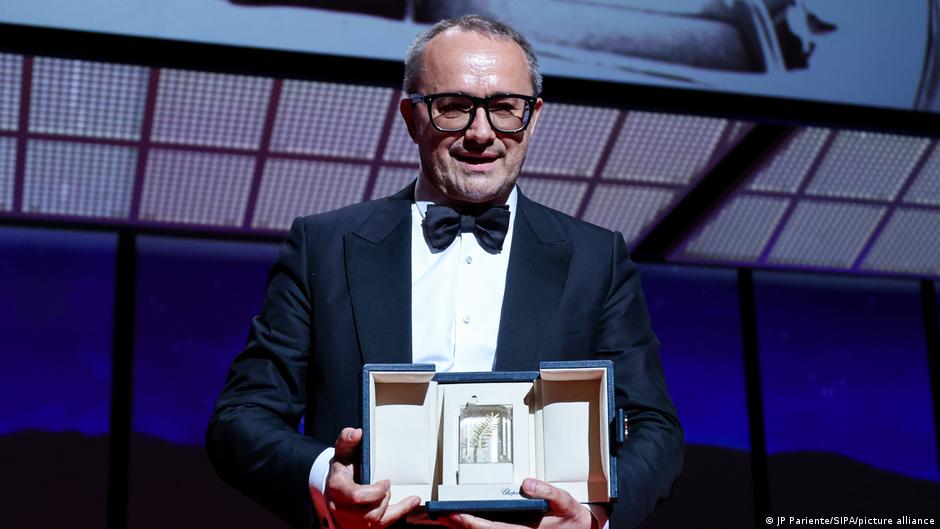
Russian filmmaker Andrey Zvyagintsev, recipient of the Cannes Film Festival Grand Prix for his film "Leviathan," recently used his international platform to urge an end to Russia’s ongoing war in Ukraine. However, his anti-war message failed to reach President Vladimir Putin after Kremlin spokesperson Dmitry Peskov publicly refused to pass on the appeal, dismissing Zvyagintsev’s stance and questioning his right to speak on the matter.
During the Cannes awards ceremony on May 23, Zvyagintsev delivered a heartfelt speech addressing the millions affected by the conflict along the Ukraine-Russia frontlines. He emphasized the urgent need to stop the “countless killings” and directly called on President Putin to end the violence, stating, "The whole world is waiting for this." The audience responded with applause, signaling broad international support for his plea.
"Yes, it is absolutely true that I have no voice, just as hundreds of millions of Russians do not today. Because you have never heard their voice." – Andrey Zvyagintsev
Despite the public nature of the statement, Dmitry Peskov declined to relay Zvyagintsev’s message to the Russian leader. Peskov criticized the filmmaker for not condemning, in the Kremlin’s view, what it calls the "bloody conflict" initiated by the Kyiv regime in Donbas since 2014. He claimed that if Zvyagintsev had spoken out earlier, he might have had "the right to a voice," but now, according to Peskov, he does not.
By refusing to transmit the anti-war appeal, the Kremlin effectively silenced a notable critic within Russia’s cultural elite. Zvyagintsev responded by acknowledging this broader disenfranchisement, asserting that millions of Russians, including himself, are deprived of a meaningful voice in the country’s political decisions. He accused the authorities of historically labeling dissenters as "banderlogs," a pejorative term used to discredit opposition figures.
Financial and Political Implications of Silencing Public Dissent
From a financial reporting perspective, the repression of public voices such as Zvyagintsev’s signals potential risks for Russia’s socio-political stability, which in turn could affect investor confidence and economic forecasts. The ongoing conflict, sustained despite widespread calls for peace, continues to strain Russia’s economic resources and international relationships.
Zvyagintsev framed the war as a "senseless and merciless" conflict that leads only to "grief and tears, disappointment and depressive apathy," warning of a bleak future if hostilities continue unchecked. The loss of young lives and the depletion of human capital outlined by the director could have long-term detrimental effects on Russia’s workforce and economic development.
Investor relations are particularly sensitive to political stability and openness. The Kremlin’s public dismissal of a renowned cultural figure’s anti-war message may contribute to perceptions of increased political risk, potentially impacting Russia’s financial markets and foreign investment inflows. Furthermore, the suppression of dissent may signal a hardening of state control that investors often associate with increased regulatory risks and unpredictability in governance.
In sum, the Kremlin’s refusal to acknowledge or engage with domestic critical voices like Zvyagintsev underscores deeper challenges within Russia’s political economy. These include restricted civic participation in governance and the continuation of policies that may hinder Russia’s long-term economic and social prospects.