Russian Regions Reinstate Fuel Sale Curbs as Refinery Strikes Hit Supply
Kaluga and Zabaykalsky officials cited renewed logistics disruptions and shrinking inventories as gasoline restrictions returned from Sept. 23.
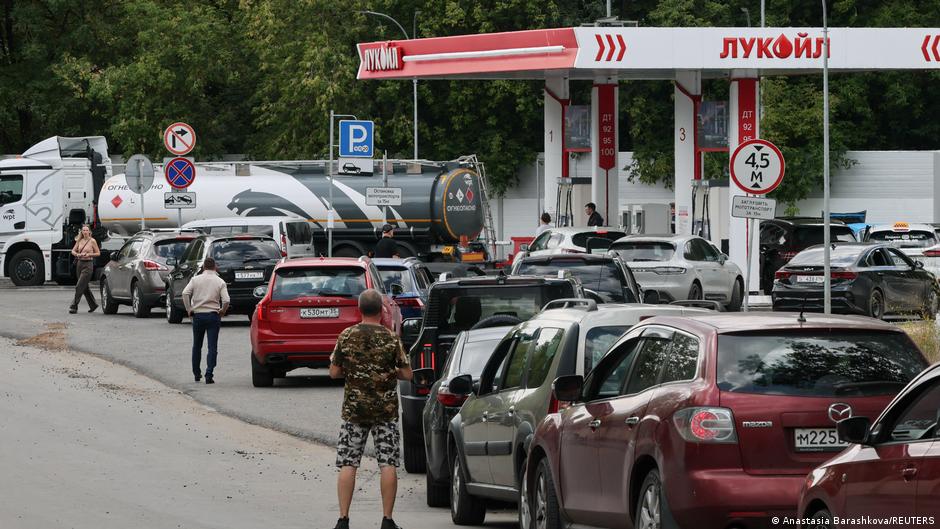
Authorities in Russia's Kaluga region and Zabaykalsky Krai are reinstating restrictions on gasoline sales, a move that points to renewed pressure on regional fuel supply chains after intensified Ukrainian strikes on Russian oil refineries.
In Kaluga, a region bordering Moscow and the Moscow region, restrictions return from Sept. 23, Governor Vladislav Shapsha said on Tuesday, Sept. 22. Drivers will be allowed to refuel on even or odd days depending on the first digit of their vehicle registration number. Gasoline may be dispensed only directly into a vehicle's tank, limiting purchases into containers and other storage.
The measures come after a fresh increase in attacks by Ukraine's armed forces on Russian refining assets. For regional governments, the immediate issue is not a formal national rationing system but the financial and operational strain caused by disrupted logistics, uneven station-level inventories and queues that affect households, transport companies and small businesses.
“We are now recording local logistics disruptions in fuel deliveries to individual filling stations. Queues have returned. This is causing justified dissatisfaction,” Shapsha wrote on his Telegram channel.
Kaluga had already introduced an even-odd gasoline sales regime on Aug. 15. Those limits were lifted from Sept. 1, making the latest announcement a reversal after less than a month. The return of controls suggests that supply normalization proved fragile and that the region's fuel distribution network remains exposed to refinery outages and delivery bottlenecks.
Inventory Figures Put Zabaykalsky Under Pressure
In Zabaykalsky Krai, the regional operational headquarters also announced that from Sept. 23 the BRK and Kors filling station networks would impose limits of 15 liters of AI-92 and AI-95 gasoline per vehicle. The restriction is being introduced by station networks, according to the announcement, rather than framed solely as a regional administrative cap.
Buyanto Batomunkuyev, the first deputy chairman of the regional government, linked the new limits to available stock levels. He said total fuel balances at filling stations and oil depots stood at 17,000 tons and that, at the current rate of sales, those reserves would last only 20 days. For investors and companies exposed to Russian fuel distribution, that figure gives a rare point of reference for the speed at which regional inventories can be depleted when supply flows are interrupted.
Zabaykalsky Krai had imposed similar restrictions in June this year, before lifting them on July 23. As in Kaluga, the need to reapply limits underscores the difficulty of sustaining stable retail supply after temporary relief. The cycle of restrictions, cancellations and renewed limits also complicates planning for service-station operators, regional transport providers and businesses that depend on predictable fuel availability.
Fuel sales restrictions, introduced either by regional authorities or filling station chains themselves, were used this summer across almost all Russian regions, as well as in annexed Crimea. Supply problems became significant enough for Russian President Vladimir Putin to issue instructions on June 28 for systemic measures to stabilize the market.
The current shortage followed drone attacks on Russian refineries by Ukraine, which has been defending itself for more than four years against Russia's military invasion. Strikes and subsequent fires at refineries forced facilities to reduce output or halt production entirely. Although earlier restrictions were later lifted, attacks on refineries increased again from early August, triggering what has been described as a second wave of Russia's fuel crisis.
By mid-September, the gasoline deficit in Russia had worsened. Novaya Gazeta Europe, citing data from the gdebenzin service, reported that fuel was unavailable at almost every second filling station. That level of retail disruption indicates a broader challenge than isolated station shortages and may affect regional economic activity through higher wait times, disrupted mobility and pressure on transport-dependent sectors.
From a financial reporting perspective, the restrictions highlight several risks for the Russian fuel market: refinery downtime, stressed inventories, higher distribution costs, and the potential for regional intervention in retail sales. While the source figures do not include refinery utilization rates, company earnings impacts or balance-sheet data, the reported 17,000 tons of fuel remaining in Zabaykalsky and the 20-day estimate provide a concrete indicator of local supply resilience under current consumption patterns.
The renewed measures also raise questions for companies operating filling station networks. Limits can help extend inventories and reduce panic buying, but they may also suppress near-term sales volumes and create additional operating costs tied to queue management and compliance. For consumers and commercial drivers, rationing by license plate or per-vehicle volume reduces flexibility and may shift demand between regions, brands and station networks.
Kaluga's proximity to Moscow and the Moscow region adds significance to the restrictions. While the measures described apply to Kaluga, disruptions near Russia's largest metropolitan market are likely to draw close attention from officials and fuel suppliers. The Zabaykalsky limits, meanwhile, show that the pressure is not confined to western regions near the front line or to annexed Crimea, but is also being felt in Russia's far eastern supply geography.
The return of gasoline controls from Sept. 23 therefore marks another test of Russia's ability to stabilize its domestic fuel market after repeated refinery disruptions. Regional authorities are presenting the measures as a response to logistics failures and depleted reserves, while the underlying cause remains the renewed intensity of attacks on refining infrastructure.