Russian Strikes Hit Ukrainian Logistics, Warehouses and Energy Assets
Regional officials reported damage to delivery, storage, residential and power infrastructure in attacks overnight, with two people injured in Odesa region.
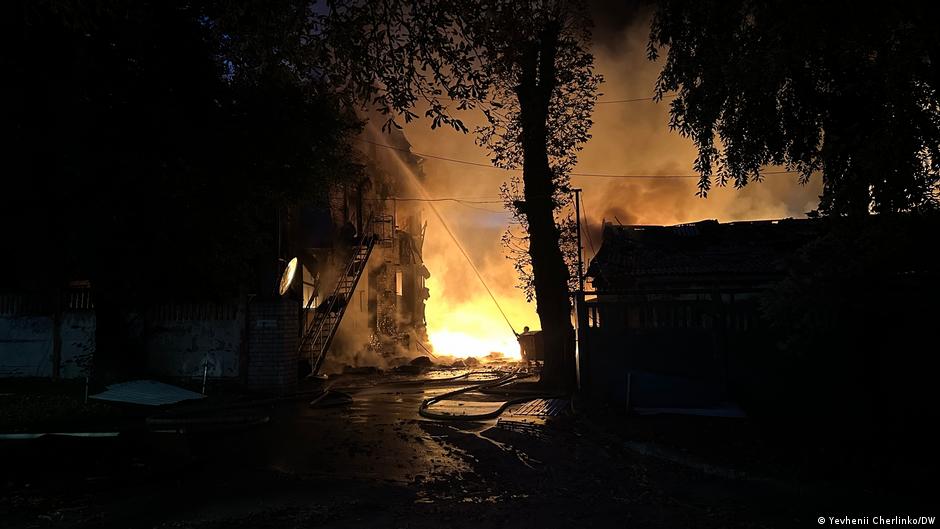
Russian forces attacked Kyiv and Odesa regions and the city of Mykolaiv during the evening of September 12 and overnight into September 13, according to local authorities, damaging logistics, warehouse, residential and energy infrastructure across several Ukrainian locations.
The reported incidents add to the operational disruption faced by businesses, municipal services and critical infrastructure operators in Ukraine as aerial attacks continue to target assets that are central to transport, storage, power supply and urban resilience. Local officials did not provide a financial estimate of the damage, and no information was reported about fatalities from the attacks described.
In Odesa region, an evening drone attack struck a branch of Nova Poshta, one of Ukraine's largest private delivery and logistics companies. Two people were injured, according to Oleg Kiper, head of the regional military administration, and representatives of Ukraine's State Emergency Service.
“The facade of the building, glazing and a cargo vehicle were damaged,” Kiper said.
For logistics operators and their clients, damage to branch facilities and cargo vehicles can translate into immediate costs for repairs, rerouting and service continuity, even where the direct physical impact is localized. The source reports damage to the Nova Poshta location but does not provide details on the scope of cargo losses, insurance coverage, service interruptions or any related financial exposure for the company.
Warehouses and Logistics Infrastructure Report Damage
The Kyiv regional military administration said that in the evening of September 12, strikes in the Boryspil district damaged warehouse premises and caused a fire. In the Brovary district, a warehouse and a private house were damaged. The authorities did not report casualty figures in connection with those incidents.
Warehouse facilities are a key part of regional supply chains, supporting storage, distribution and inventory management for businesses operating around the capital. The reports did not identify the owners or tenants of the damaged premises, nor did they specify the type of goods stored, the value of inventory affected or whether the fire caused broader disruption to nearby commercial activity.
Kyiv Mayor Vitali Klitschko also reported that air defense systems were operating and urged residents of the city to remain in shelters. The Kyiv regional military administration's Telegram channel also issued alerts overnight about air alarms across different parts of Kyiv region. According to the source, no information about deaths or injuries had been received.
The reports from Kyiv region point to a pattern of damage that could matter for corporate risk assessments and investor monitoring of exposure to Ukraine-linked transport, storage and real estate assets. However, the available official statements describe physical damage and emergency conditions rather than balance-sheet consequences, and they do not include estimates for repair costs, business interruption or insured losses.
Power Outages in Mykolaiv Follow Energy Infrastructure Strike
In Mykolaiv, regional authorities said an evening attack targeted energy infrastructure. Georgiy Reshetilov, head of the local regional military administration, wrote on Telegram that several districts of the regional center were partially without power after the strike.
“As soon as the security situation allows work to begin, energy workers will start restoring electricity supply,” the post said.
Reshetilov later wrote that the air alert had ended, and then reported that an air alert had resumed. The statement did not include a timeline for full restoration of electricity, nor did it quantify the number of households, businesses or public facilities affected by the outages.
Partial power outages in a regional center can carry direct and indirect economic implications, particularly for retailers, small businesses, industrial users, public utilities and households dependent on stable electricity supply. The reported attack on energy infrastructure also underscores continuing operational risks for grid maintenance teams, which must balance repair work against renewed air alerts and safety restrictions.
The article's source does not state whether the affected energy assets were generation, transmission or distribution infrastructure. It also does not provide information on the cost of repairs, expected recovery expenses, or the impact on regional economic output. For financial reporting purposes, those omissions are important: the incident is material as an infrastructure disruption, but the available public information is not sufficient to assign a monetary value or determine whether any specific company faces a reportable financial impact.
Residential Damage Adds to Urban Repair Burden
In Odesa, a multi-story residential building was damaged in an attack, according to Serhiy Lysak, head of the city military administration. The source notes that this was already the second hit on an apartment building in the city within 24 hours.
Residential damage increases pressure on local authorities, emergency services, construction contractors and public budgets responsible for safety inspections, temporary repairs and housing support. The reports do not say whether residents were displaced, whether the building sustained structural damage, or what level of municipal spending may be required.
Across the affected regions, officials described a combination of damage to private logistics assets, warehouse space, housing and energy infrastructure. The incidents were reported by local authorities rather than through corporate financial disclosures, and no balance-sheet metrics, revenue effects, insurance assessments or quarterly financial impacts were provided.
For investors and analysts tracking Ukraine-related operational exposure, the latest attacks reinforce several recurring risk categories: physical damage to transport and delivery networks, disruption to warehousing capacity, pressure on electricity infrastructure, and repeated repair needs in urban residential areas. At this stage, however, the reported facts remain limited to the timing, locations, damaged asset types and casualty information provided by regional and municipal officials.