Saudi Pipeline Outage Puts 4% of Global Oil Supply at Risk
A prolonged shutdown of the East-West pipeline could pressure Saudi export capacity and sharpen investor focus on oil-market balance risks.
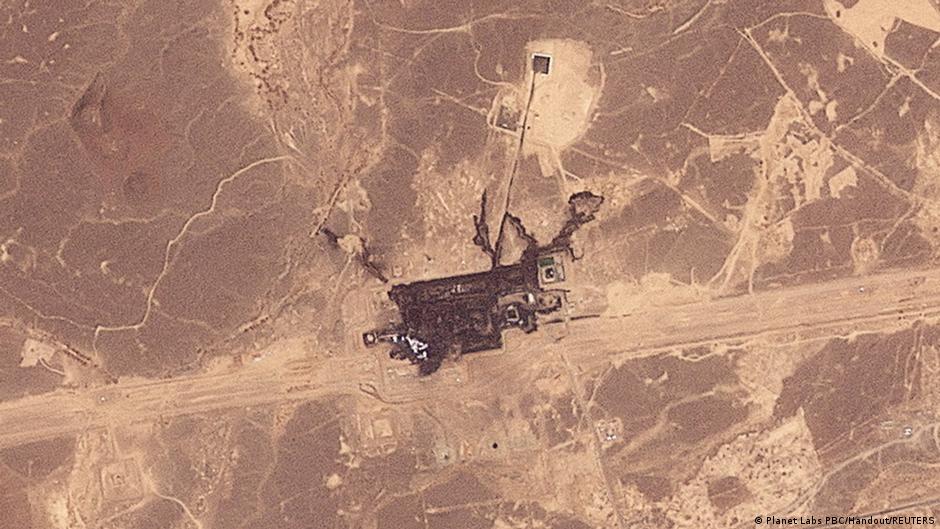
A prolonged suspension of Saudi Arabia’s East-West oil pipeline could reduce global oil supplies by 4%, according to Reuters, citing informed sources in the oil market. The uncertainty centers on how quickly Riyadh can restore flows through a route that has become increasingly important to the kingdom’s export capacity, especially as regional conflict has complicated shipping through other corridors.
The pipeline was stopped after drone attacks by the Houthis, and Saudi authorities have not provided full information on the extent of the damage or the timetable for restarting oil pumping. For energy investors, commodity traders and companies exposed to crude prices, the lack of operational guidance creates a material reporting issue: Saudi supply availability is a core variable in revenue forecasts, inventory planning and quarterly margin assumptions across the oil value chain.
Reuters reported on Sunday, September 13, that if Riyadh does not restore the East-West pipeline in the coming days, Saudi Arabia could face a shortage of oil inventories available for export. Sources cited by the agency estimated that this could translate into a 4% decline in global supplies.
Saudi authorities have not provided full information on the scale of the pipeline damage or the timing for resuming oil pumping.
Export Capacity Becomes a Balance-Sheet Issue
The East-West pipeline runs for 1,200 kilometers, linking Saudi Arabia’s main oil fields in the east of the country with the Red Sea port of Yanbu. The route allows Riyadh to ship millions of barrels of oil per day without using the Strait of Hormuz, where traffic has been restricted by Iran.
That makes the pipeline more than a piece of energy infrastructure. It is a strategic export channel that helps determine how much oil Saudi Arabia can place into global markets and how reliably it can monetize production. Any extended disruption can affect the timing of export receipts, the use of inventories and the assumptions behind market expectations for supply, pricing and spare capacity.
The Saudi energy ministry said the pipeline’s operation was suspended on September 11 as a “precautionary measure” after drone strikes from Iraqi territory hit the Riyadh and Medina provinces. The ministry’s framing suggests a risk-management decision, but the market response depends on repair duration and whether partial flows can resume before full work is completed.
One Reuters source said repairs could take five to six weeks. Another source said the work could be completed more quickly and that oil pumping might restart before repairs are fully finished. The difference between those scenarios is significant for financial reporting and investor relations across the sector. A short outage may be treated as a temporary logistical disruption. A multiweek interruption could affect supply outlooks, working-capital assumptions and hedging decisions.
Investors Watch Monthly Volumes
Saudi Arabia has significantly increased its use of the East-West pipeline since the start of the war against Iran. By June, oil exports through the route had reached nearly 8 million barrels per day, according to an estimate from the International Energy Agency. That level underscores the pipeline’s importance to the kingdom’s export system and to global crude supply calculations.
In recent weeks, however, the route’s throughput has declined because of Houthi attacks on Saudi tankers in the Red Sea. In August, about 2.5 million barrels per day were shipped through Yanbu, the lowest level since 2013, according to the IEA’s latest monthly report. The drop gives investors a concrete operating metric to monitor as they assess whether the pipeline outage is part of a broader deterioration in Saudi export flexibility.
For listed energy companies, refiners, shippers and industrial consumers, the financial implications may appear first in management commentary rather than in reported results. Companies may have to explain exposure to crude-price volatility, changes in procurement costs or the availability of alternative supply routes. Oil producers may benefit from higher prices if supply tightens, while refiners and downstream consumers may face margin pressure if feedstock costs rise.
Saudi Aramco’s operational response will also be watched closely. In April, the East-West pipeline was attacked, but the national oil company quickly returned it to service. That precedent may temper fears of a prolonged disruption, though the current lack of detail from Saudi authorities leaves investors with a wide range of possible outcomes.
The immediate financial question is whether Riyadh can restore the pipeline before export inventories become constrained. If the outage lasts only days, the impact may be limited to short-term trading volatility. If repairs extend into the five-to-six-week range suggested by one market source, the disruption could become a larger test of Saudi Arabia’s export resilience and a key input for oil-market earnings expectations in the next reporting cycle.